
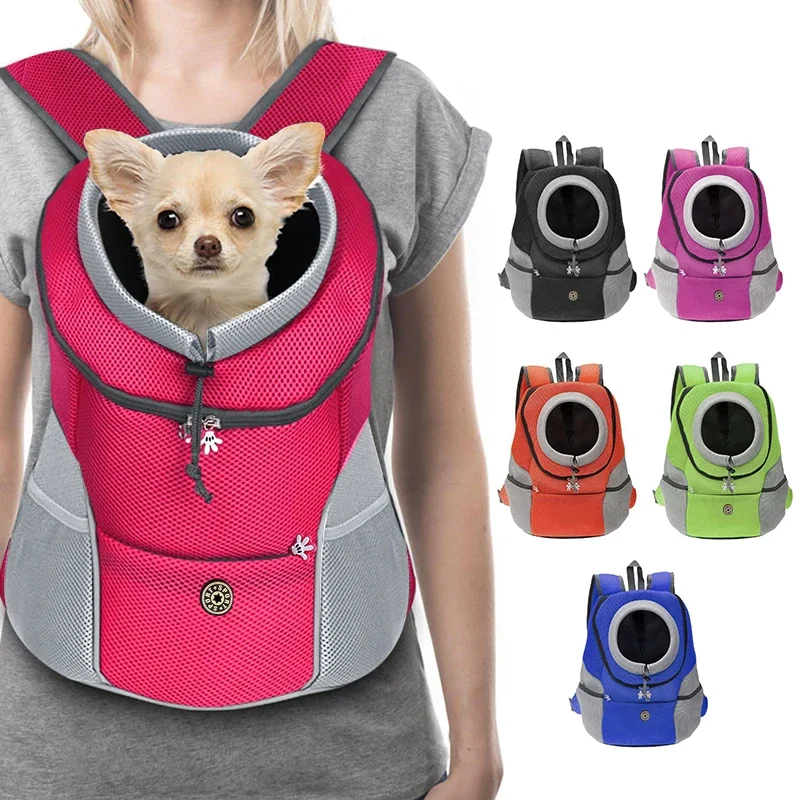
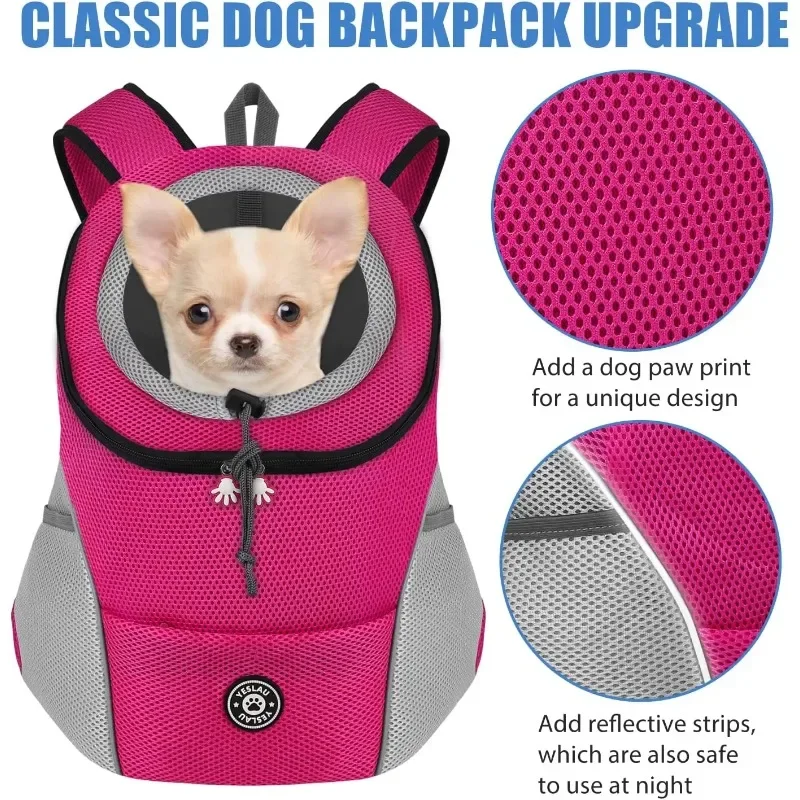
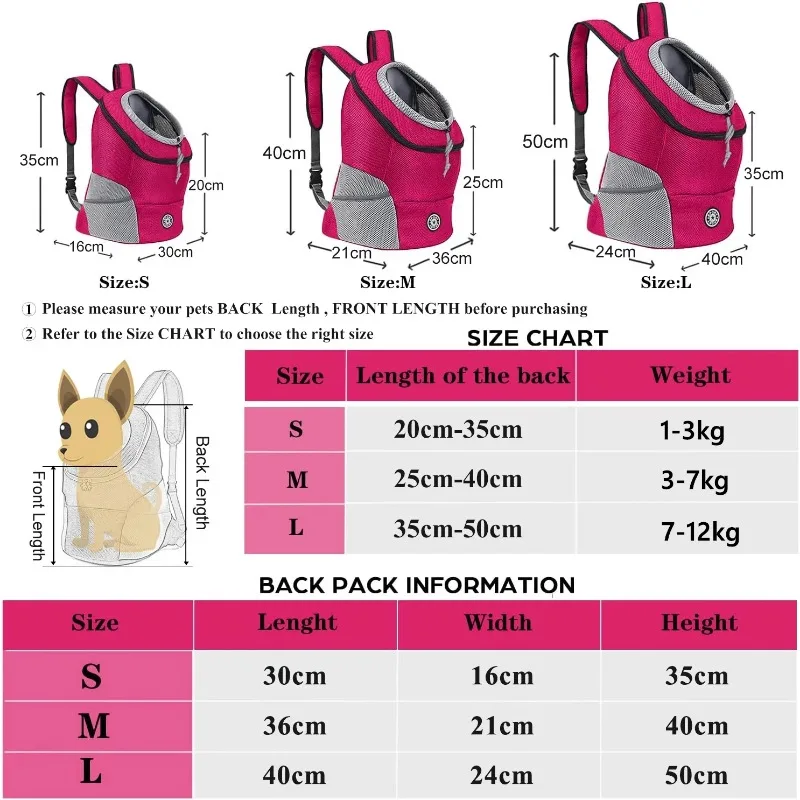

Front carriers and slings both put load on the front of your body, which stops being comfortable after a mile or two. A backpack moves it onto both shoulders and your back, which is why it is the format that works for actual distance — hikes, cycling, long days where the dog is carried more than it walks.
Key Benefits
- Weight on both shoulders, the only format that works over distance
- Structured sides hold their shape and protect the dog
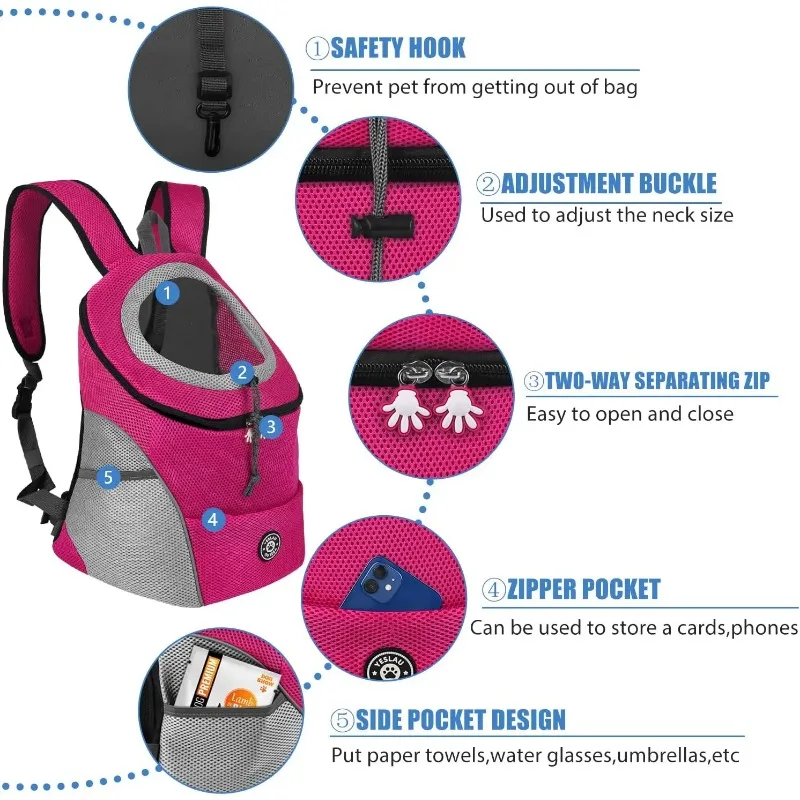
- Mesh ventilation panels on multiple faces
- Internal safety tether prevents jumping out
- Storage pockets for water, treats and bags
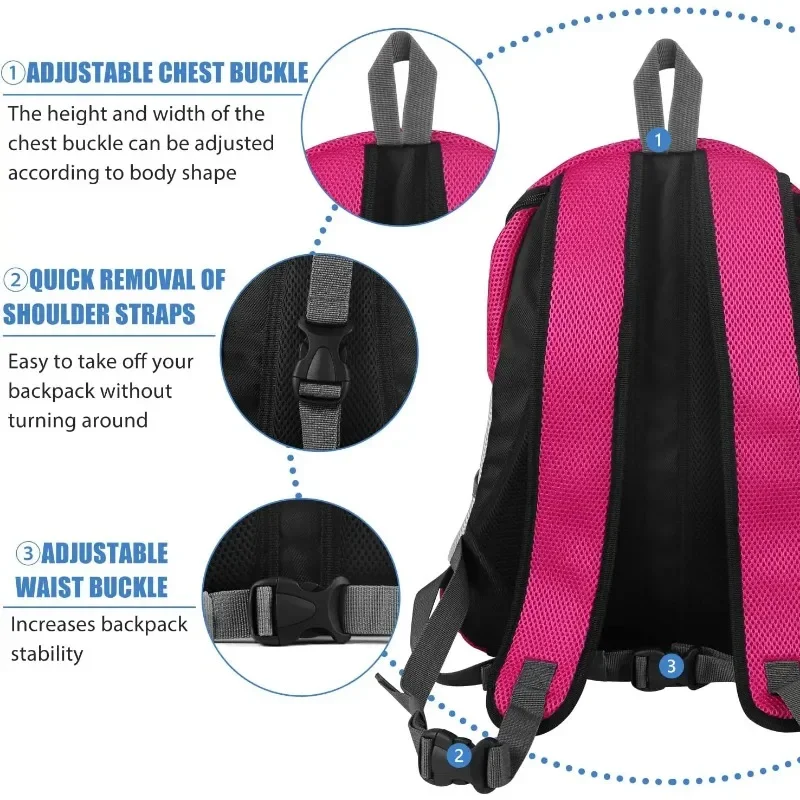
- Adjustable chest and waist straps transfer load off the shoulders
Best For
- Hikes and long days out
- Cycling with a small dog
- Small breeds that cannot keep up on distance walks
- Travel and airports
- Owners already carrying a dog and finding it hurts
How It Works
Do up the chest and waist straps, not just the shoulders — that is what takes the weight off your shoulders and makes distance possible. Let the dog get used to it indoors before a long trip. Stop regularly to check on them: you cannot see a dog on your back, and overheating is silent.
Pros and Cons
Pros: The only carrier here that works for real distance, structured and protective, well ventilated, and the storage means one bag instead of two.
Cons: You cannot see the dog while walking, which matters more than it sounds. It is bulky and heavy empty, dogs that dislike enclosed spaces refuse it outright, and weight limits are firm.
Things to Consider
- You cannot see the dog — stop and check regularly
- Always fasten the chest and waist straps, not just the shoulders
- Introduce it gradually indoors before any long trip
- Firm weight limits; measure and weigh your dog first
- Overheating is the main risk on warm days
- Prices, availability and shipping times are set by the AliExpress seller and can change
Affiliate notice: LookDog may earn a commission if you purchase through this link, at no additional cost to you.
Reviews
There are no reviews yet.