
Dog Toys
Dog toys are not interchangeable, and the wrong one is a vet bill rather than a wasted purchase. Two tests cover most of the risk. The swallow test: if the whole toy fits inside your dog’s mouth, it is a choking hazard for that dog. The thumbnail test: if you cannot dent the surface with your thumbnail, it is hard enough to fracture a tooth — which is exactly what antlers, hooves and weight-bearing bones do to powerful chewers.
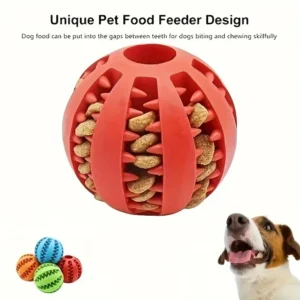
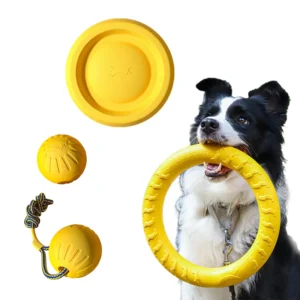
After safety, match the toy to what your dog actually does with it. Chasers want balls and flying discs. Shakers want long, floppy, stuffing-free toys they can whip around. Determined chewers need dense rubber or latex, not plush. Thinkers do best with snuffle mats, treat-dispensing balls and puzzle feeders, which tire a dog mentally in a way a walk does not. Tuggers want rope or jute, used horizontally rather than lifted.
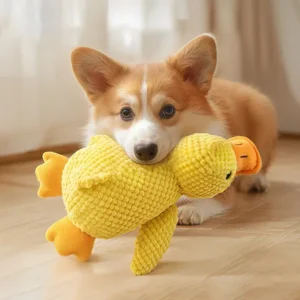
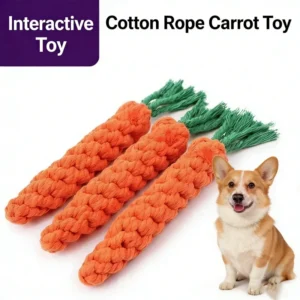
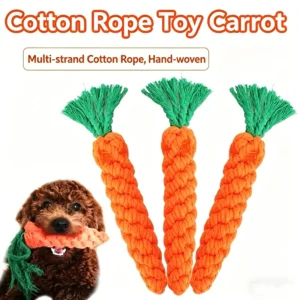
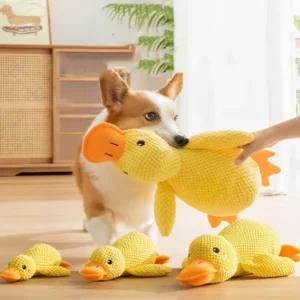
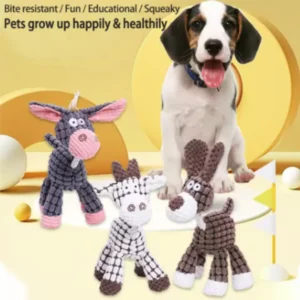
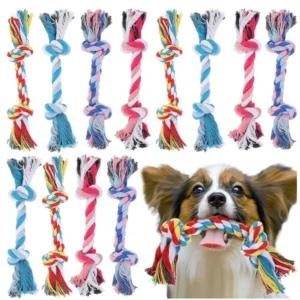
A few things are worth knowing before you buy. Plush toys are comfort objects, not chew toys — once the seams open, the stuffing and squeaker become a swallowing risk. Rope toys genuinely help clean teeth, but swallowed strands cause intestinal blockages, so they are supervised toys and should be retired as soon as they unravel. Tennis ball felt is abrasive and wears tooth enamel with sustained chewing, which makes it fine for fetching and poor for leaving with a dog all afternoon.
Rotate toys rather than leaving them all out. Four toys in circulation and four in a cupboard, swapped weekly, will hold a dog’s interest far longer than eight left on the floor. The full guide covers sizing a toy safely, playing tug without the risks it is wrongly blamed for, and how to tell when a toy has to go in the bin: Safe Play for Dogs: Toys, Tug, Fetch and What to Avoid.
Searches Dog Toys only — 41 products.
Showing 1–12 of 41 results