Feeding & Care
Feeding gear divides into three jobs: what the food sits in, how fast it gets eaten, and whether your dog drinks enough. Each has a right answer that has little to do with price.
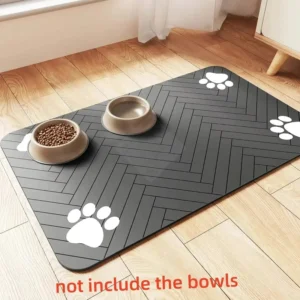
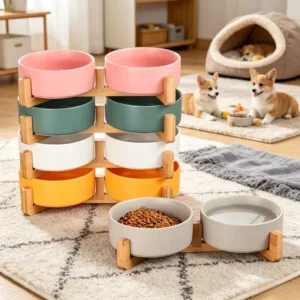
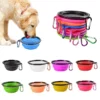
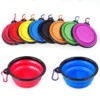
Bowls. Stainless steel is the default for a reason — it does not scratch, does not hold odours and can be properly sterilised. Ceramic is heavier and stays put, which suits determined pushers, but chips and then harbours bacteria in the cracks. Plastic scratches quickly, and scratched plastic is where bacteria live.
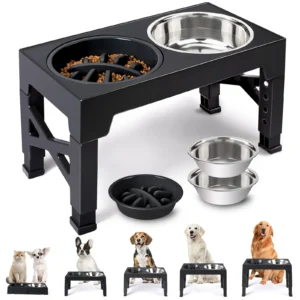
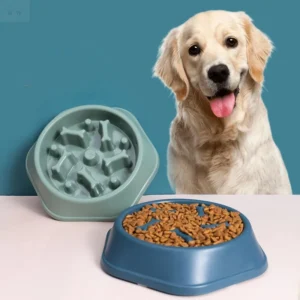
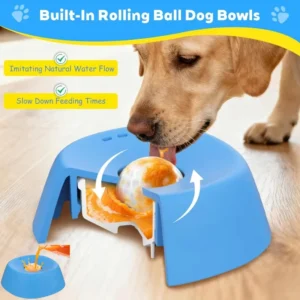
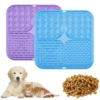
Speed. A dog that clears a bowl in under a minute swallows a lot of air with it, and gets no mental engagement from the biggest event of its day. Maze and puzzle feeders stretch that to several minutes. If your dog gives up on a deep maze — common with flat-faced breeds — a gentler ridged dish does most of the job without the frustration. Lick mats work differently again: sustained licking is genuinely calming, which makes them useful during grooming, thunderstorms and vet visits rather than just at mealtimes.
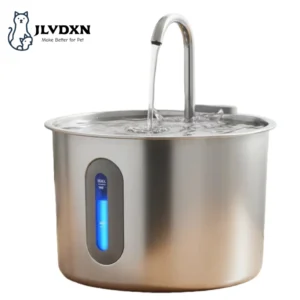
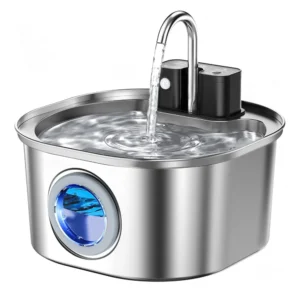
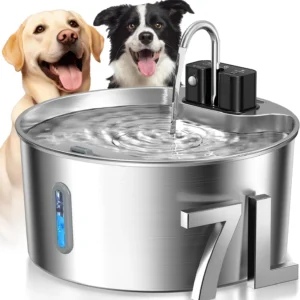
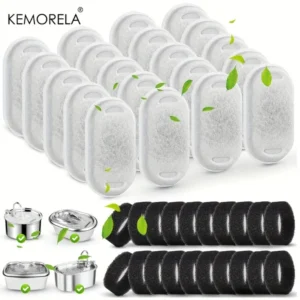
Water. Most dogs drink more from moving water than from a bowl that has stood since breakfast, and higher intake matters for urinary and kidney health. Fountains work, with one condition: they need stripping and washing weekly, pump housing included, or they end up dirtier than the bowl they replaced. Filters are a recurring cost. If nobody will keep to that schedule, a gravity dispenser with no pump is the honest choice — it still needs washing, but nothing fails silently.
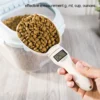
One rule cuts across all of it: treats, chews and extras should stay under ten per cent of daily calories. For a 5kg dog that is roughly one small dental chew. The full guide covers how much to feed by weight, the foods that are never safe, and why the same mouthful is far riskier for a small dog than a large one: What Small Dogs and Big Dogs Can Eat: A Complete Feeding Guide.
Searches Feeding & Care only — 42 products.
Showing 1–12 of 42 results