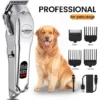
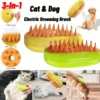
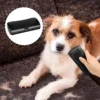

Grooming
Grooming tools are not one-size-fits-all, and most owners buy one brush expecting it to do three jobs. Your dog’s coat decides what you actually need.
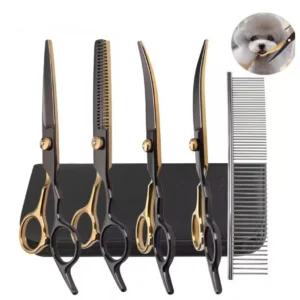
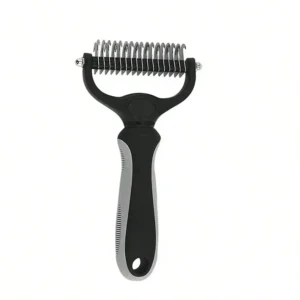
A slicker brush is the everyday tool: fine bent pins that pass through the top coat and lift small tangles while they still comb out. A deshedding blade is different — it reaches the soft undercoat beneath the guard hairs, which is the layer responsible for almost all the hair on your floor. A dematting tool is different again: curved blades that cut a mat into strips so it can be combed free, instead of dragging it against the skin. Owning one of the three and using it for all three is how coats get damaged.
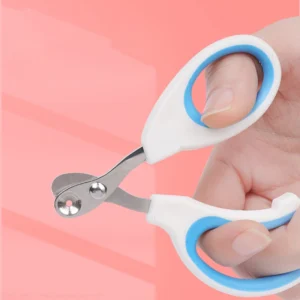
Nails are where most dogs learn to hate grooming, usually because someone once cut into the quick. On pale nails you can see the pink quick and clippers are quick and clean. On dark nails you are working blind, and a rotary grinder is far safer because it removes nail gradually and leaves no sharp edge. Keep styptic powder within reach before you start, whichever you use.
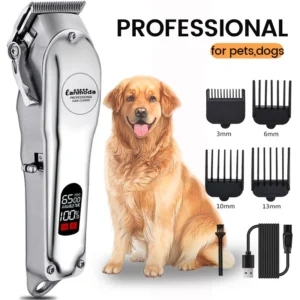
Two warnings worth taking seriously. Never clip a double-coated breed short — huskies, German shepherds, corgis and similar. The coat insulates against heat as well as cold, and it may not grow back correctly. And never press a slicker’s pins into the skin: brush burn is the most common home-grooming injury there is.
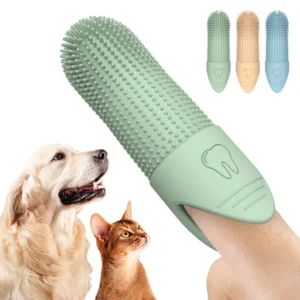
Ears, eyes and teeth are maintenance rather than grooming, but they matter more. Clean only the visible outer ear, never the canal. Brush teeth three times a week at minimum, and never with human toothpaste — fluoride and xylitol are both toxic to dogs. The full guide covers identifying your dog’s coat type, the brush-then-comb order that stops mats forming, and how often to bathe, dry and trim: Dog Grooming at Home: Coat Types, Tools and How Often.
Searches Grooming only — 51 products.
Showing 1–12 of 51 results