
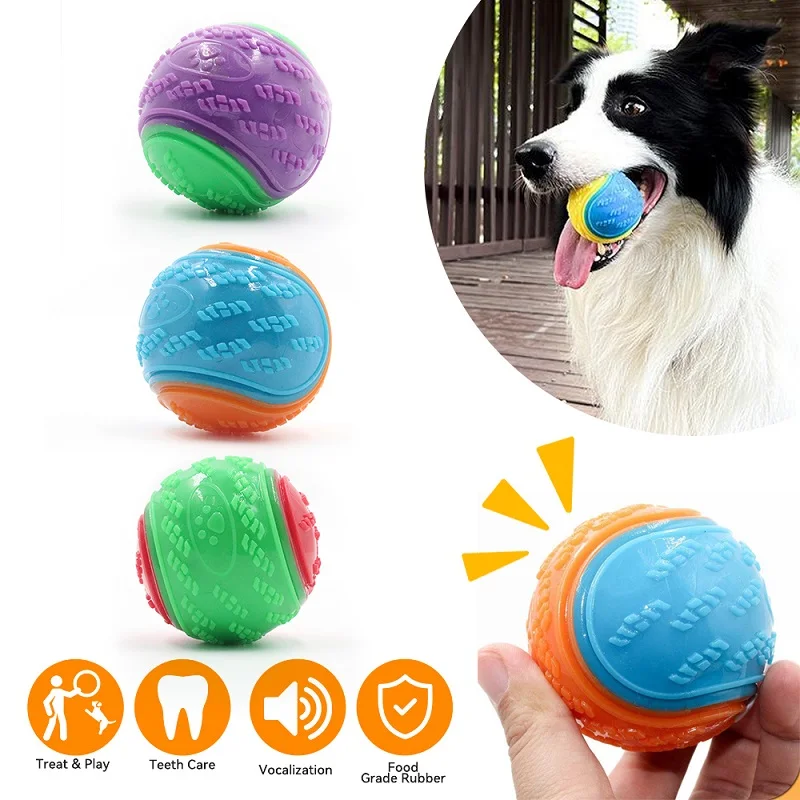
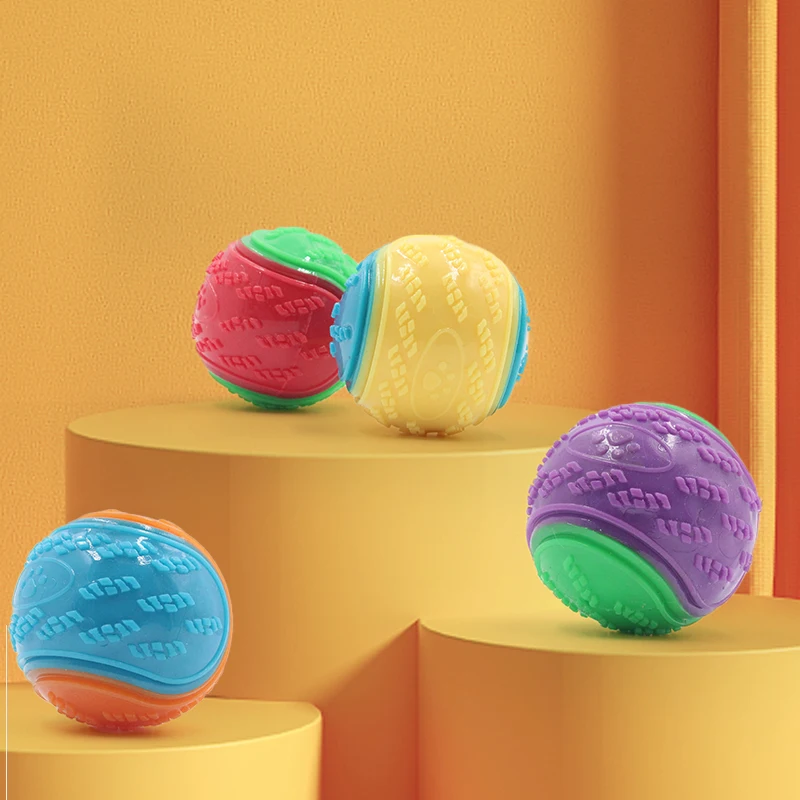

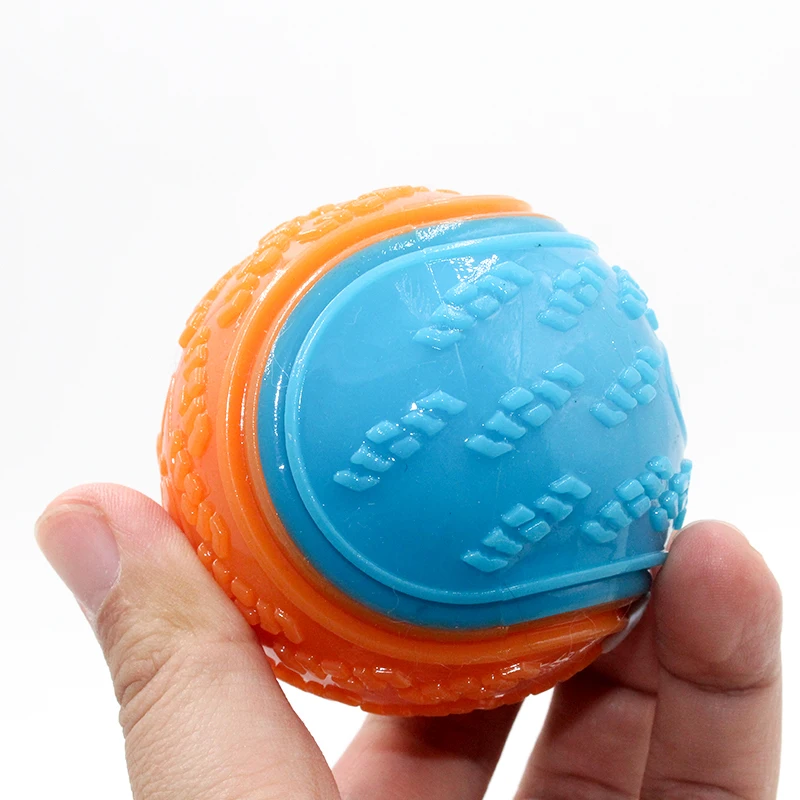
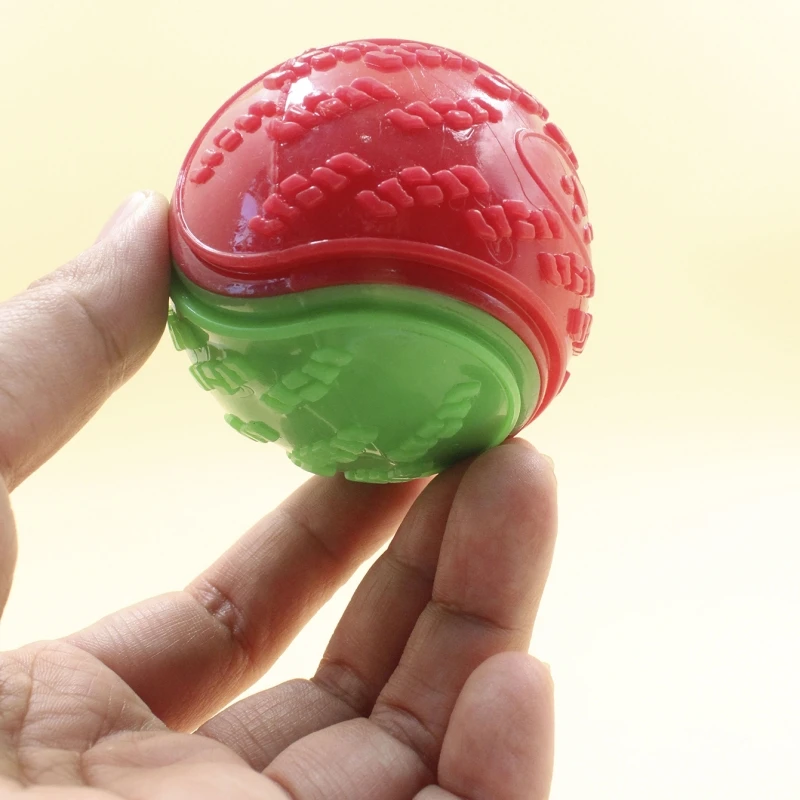
Hard nylon chews last a long time and crack teeth doing it. TPR sits in between: it has enough give to flex under a molar rather than resisting it outright, but enough structure to survive a serious chewing session. For most dogs that is the right compromise.
Key Benefits
- Flexes under pressure instead of transmitting it into the tooth
- Deep ridges give the back teeth something to work
- Holds up far better than plush or thin rubber
- Dishwasher-safe, unlike anything fabric
Best For
- Moderate to strong chewers
- Dogs that have chipped a tooth on a hard chew
- Anyone replacing plush toys weekly
How It Works
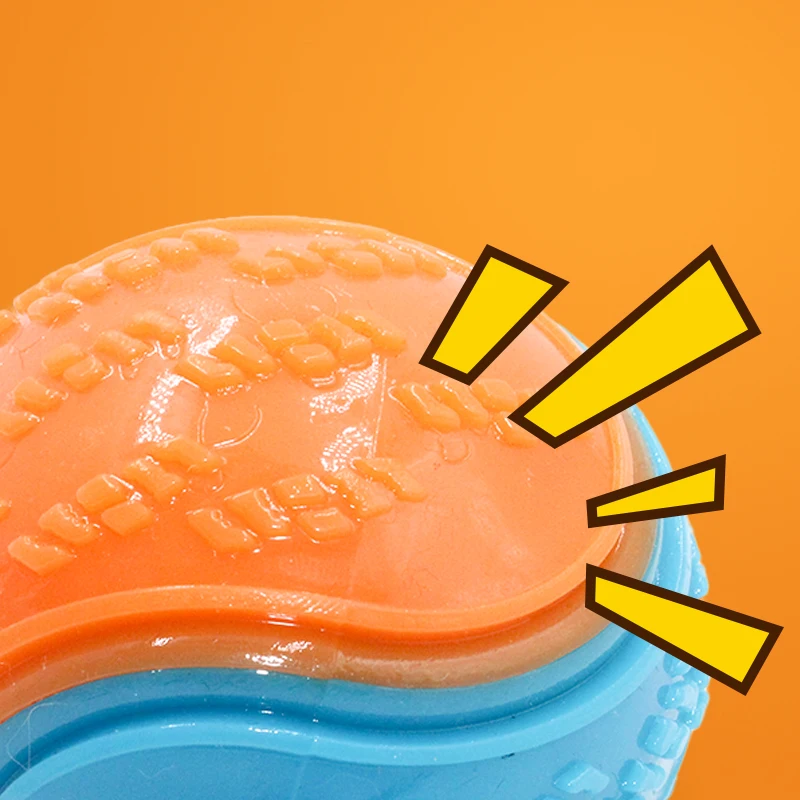
Thermoplastic rubber moulded with a ridged profile. The material returns to shape after being compressed, so the dog gets resistance and rebound with every bite — which is what keeps a chewer working at it rather than losing interest.
Pros and Cons
Pros: The best safety-versus-durability balance in a chew, easy to clean, and cheap.
Cons: Not indestructible: a determined power chewer will take pieces off it, and pieces of TPR swallowed whole do not digest. Check it weekly and bin it once it is gouged. The ridges are sold as teeth cleaning — they scrape a little surface plaque and nothing more; brushing is still the only thing that works.
Things to Consider
- Inspect weekly and replace once chunks are missing
- Choose a size the dog cannot get fully into its mouth
- Prices, availability and shipping times are set by the AliExpress seller and can change
Affiliate notice: LookDog may earn a commission if you purchase through this link, at no additional cost to you.
Reviews
There are no reviews yet.