
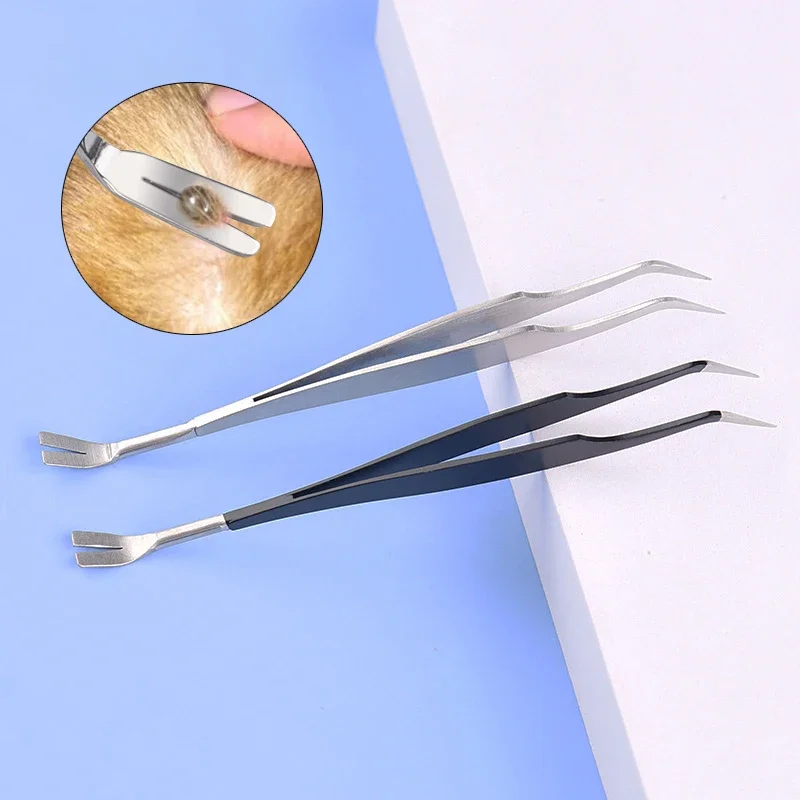
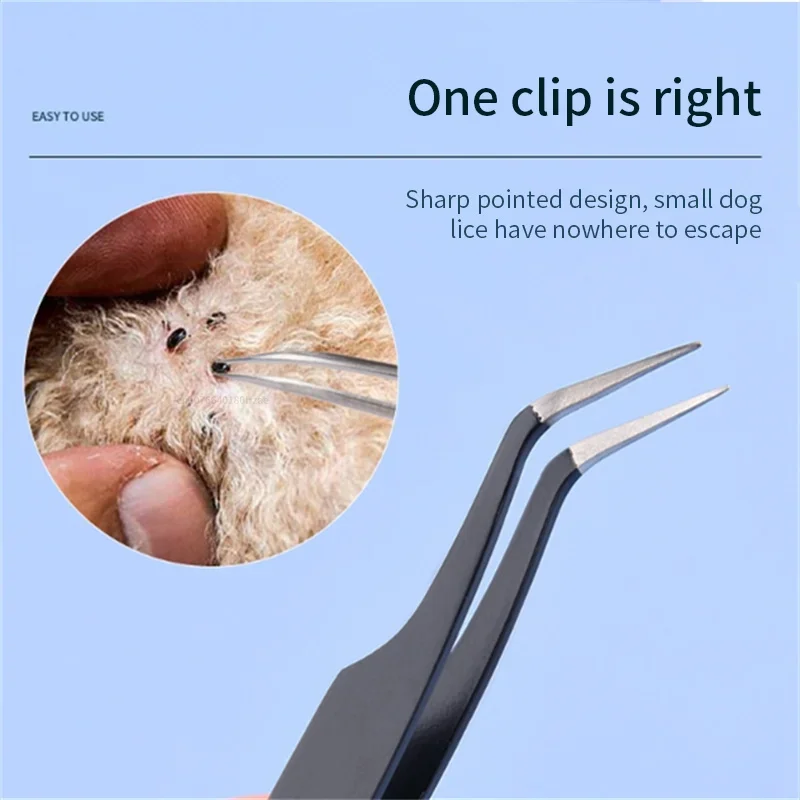
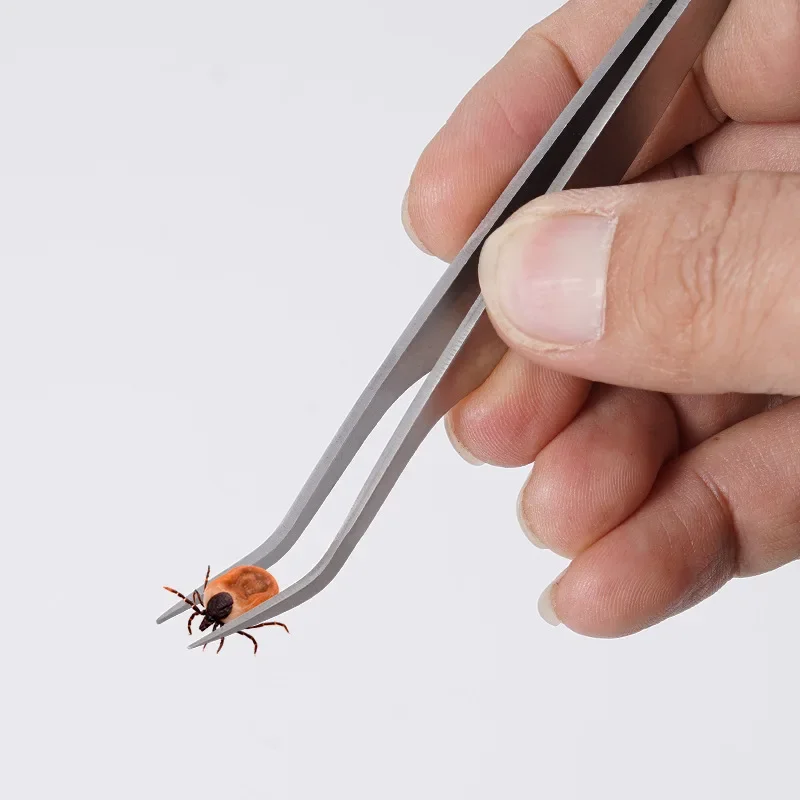
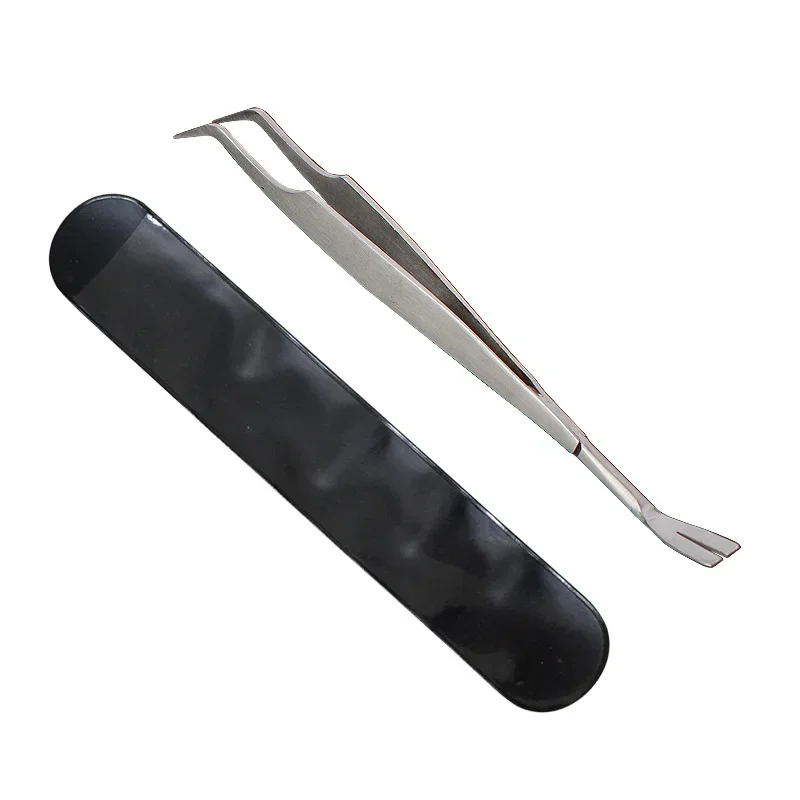
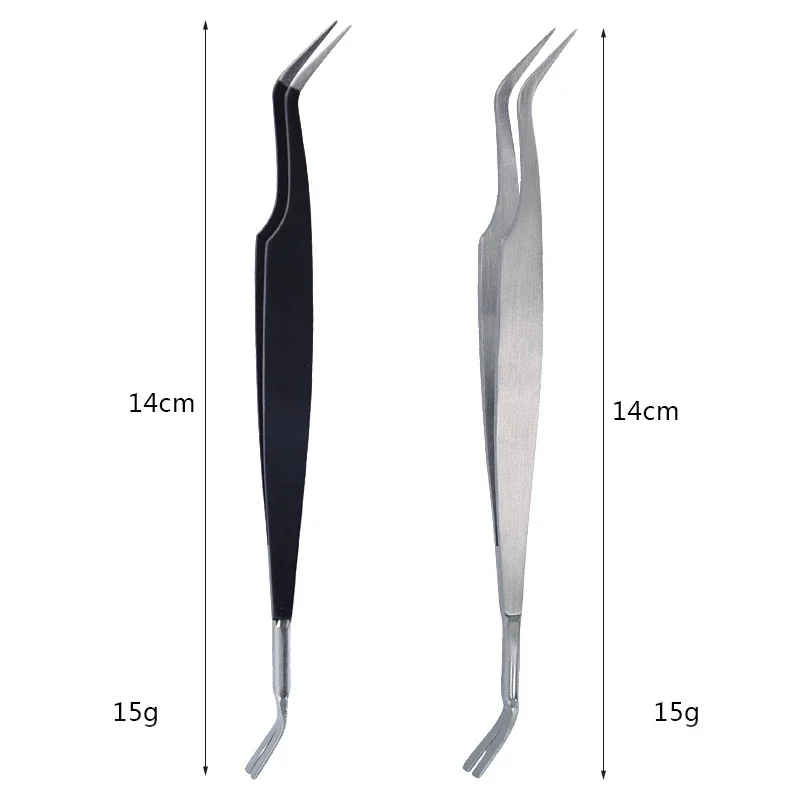
Removing a tick badly is worse than leaving it a few hours. Squeeze the body and you push its stomach contents back into the dog; twist off the head and you leave mouthparts behind to infect. The whole job depends on gripping the tick right where it enters the skin, and that needs a tip finer than any household tweezer has.
Key Benefits
- Tips fine enough to grip at skin level, below the body
- Angled head so you can see what you are gripping
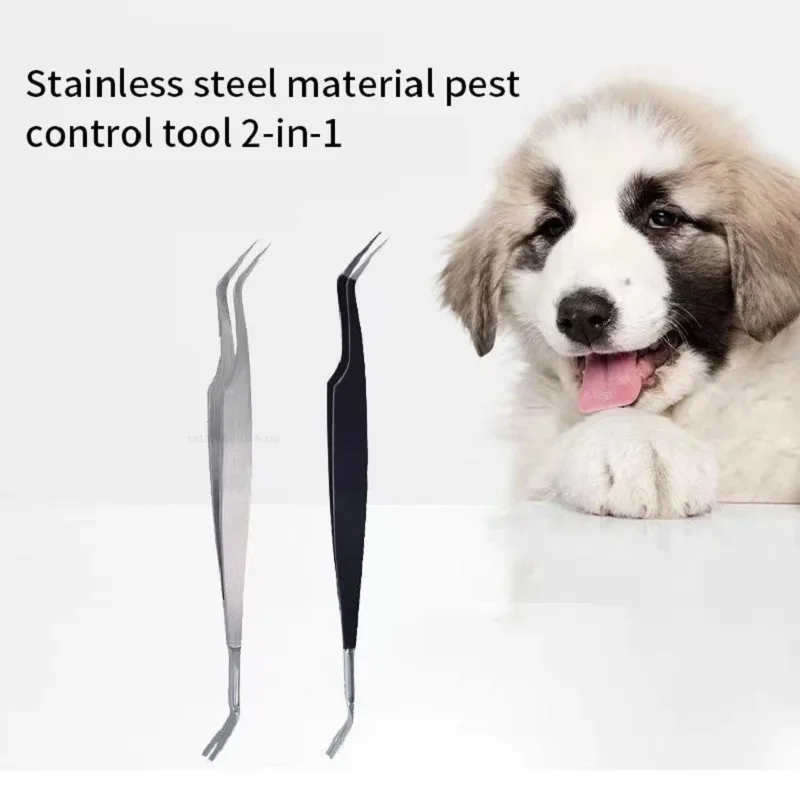
- Stainless steel, so it can be disinfected and reused
- Small enough for a walking bag or a first aid kit
Best For
- Anyone walking dogs in long grass, woodland or moorland
- Spring and autumn, when tick activity peaks
- Households in areas where Lyme disease is present
How It Works
Grip the tick as close to the skin as the tips allow, then pull straight out with steady pressure. No twisting, no jerking. The tick releases in a second or two — the technique is patience, not force.
Pros and Cons
Pros: Does the one job properly, costs almost nothing, and lives in a coat pocket for years.
Cons: Tweezers are the harder technique of the two — grip too high and you squeeze the body, which is the exact thing you are trying to avoid. Many people get on better with a hook. Never apply petroleum jelly, alcohol or a flame first: all of them make the tick regurgitate, which is how disease is transmitted.
Things to Consider
- Never burn, smother or twist a tick — pull straight out
- Watch the bite site for a spreading rash and see a vet if the dog becomes unwell
- Prices, availability and shipping times are set by the AliExpress seller and can change
Affiliate notice: LookDog may earn a commission if you purchase through this link, at no additional cost to you.

Reviews
There are no reviews yet.