
A mat does not appear overnight, even though it always feels that way. It starts as a few hairs twisted round each other, usually somewhere the brush never quite reaches, and it gets tighter every day it is left. By the time most owners find one, it is already pulling at the skin underneath.
So the useful question is not which brush to buy. It is where on your dog the mats keep forming, because each place has its own cause, and the cause decides the fix.
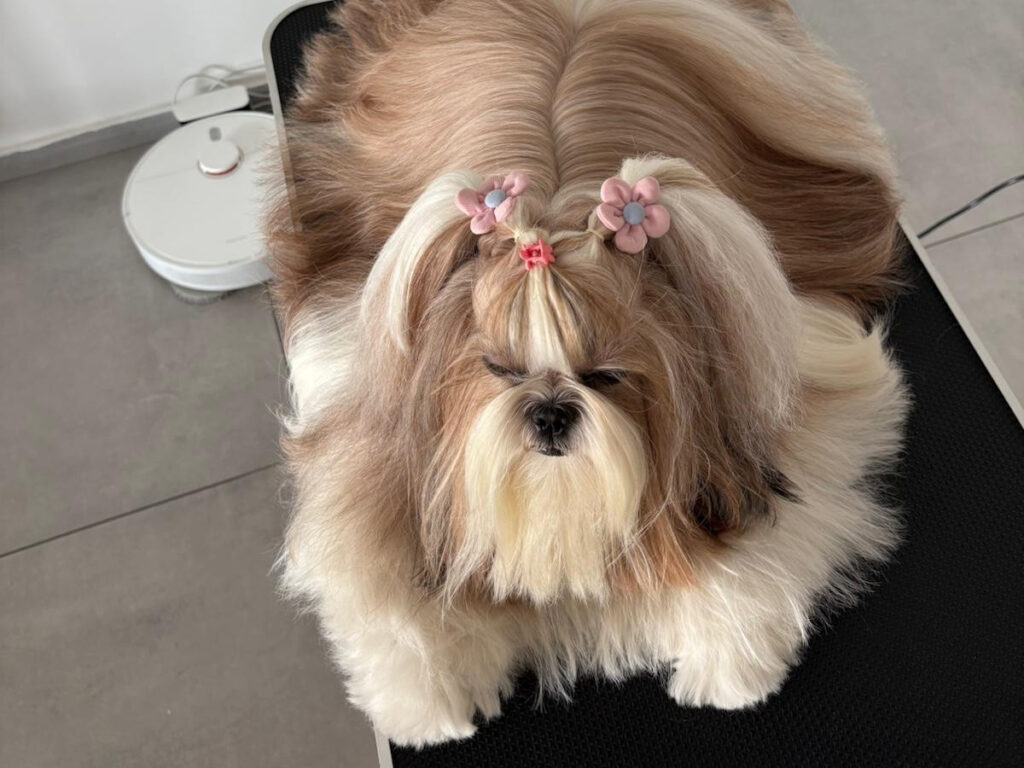
This is for long, silky and curly coats: Shih Tzus, Maltese, Yorkies, poodles and doodles, spaniels, and the long-coated crosses that seem to mat if you look at them. If you have had one of these dogs for years, do not skip the section on bathing. It is where experienced owners go wrong.
First, the Test That Tells You Whether There Is a Problem
Brushing is not evidence. A slicker brush glides over the top layer of a long coat and can leave a mat sitting underneath completely untouched, which is how a dog who is brushed every day can still arrive at the groomer needing a shave.
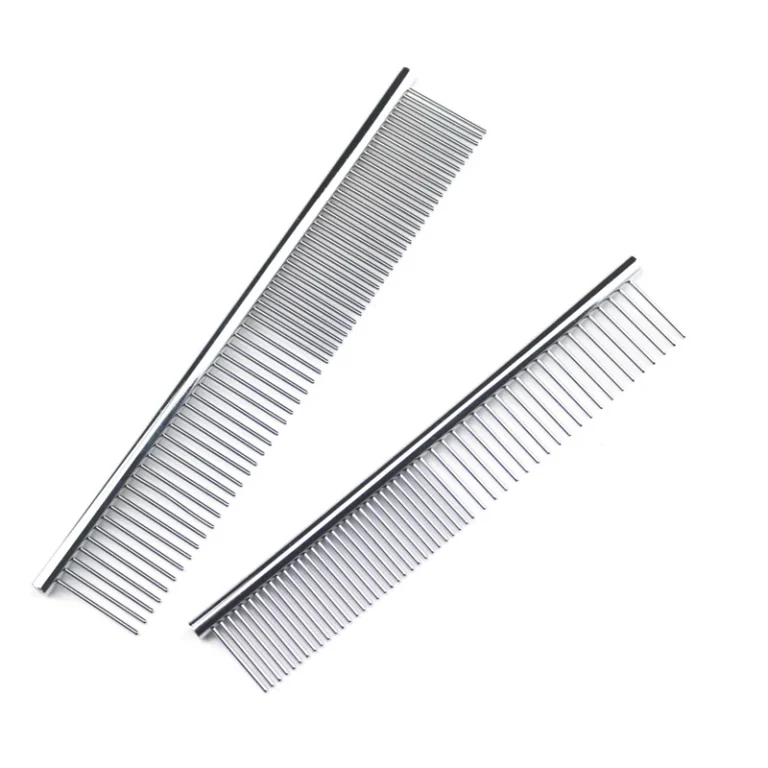
A metal comb is evidence. Part the coat, put the comb in at the skin and draw it out to the tips. If it passes cleanly, that section is clear. If it stops, there is a tangle there, however smooth the surface looks. A steel finishing comb with wide and narrow teeth is one of the cheapest tools in grooming, and the one most owners do not own.
Where Mats Start, and Why Each Place Needs Its Own Fix
Behind the ears
The softest hair on the dog, and the most handled. Every ear scratch and every head rub twists it a little. It is fine, it is warm and it is out of sight, so this is almost always where the first mat of a dog’s life turns up.
Comb it every day, even on days you do nothing else. A quick daily pass here does more than a long weekly session everywhere else.
Under the collar and the harness
Friction is how felt is made, and a collar or harness rubbing the same band of coat all day is doing exactly that. The straps behind the front legs are the worst of it.
Take the collar off at home if your dog is safe without it, check that band every time you groom, and make sure the harness fits rather than slides. One that shifts against the coat on every step mats it faster than one that sits still.
The armpits
Every step folds the coat here, and it stays slightly damp. Armpit mats are easy to miss because a standing dog hides them completely. Lift each front leg forward when you check. Plenty of dogs dislike this, so keep it short and pair it with something they want.
The back legs and under the tail
The long feathering on the back legs collects everything: grass seeds, burrs, whatever the dog sat in. The seeds are the real concern. A grass seed wrapped into a mat can work its way into the skin, and one that has done that between the toes is a vet visit, not a grooming job.
Between the pads
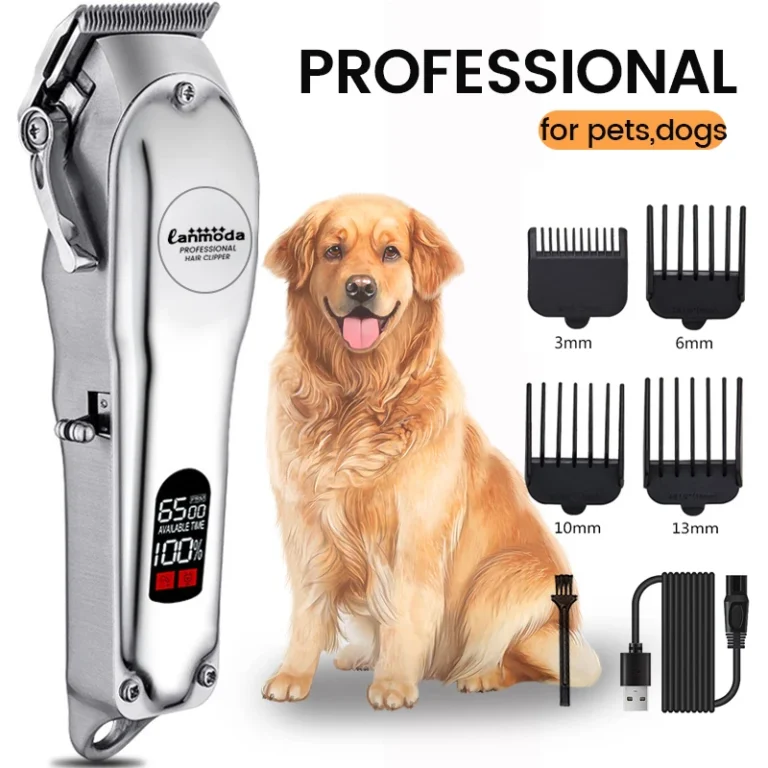
Hair grows between the pads of most long-coated breeds, packs into a hard lump and turns the foot into a slide on smooth floors. Keep it trimmed level with the pads using small rounded-tip scissors or a small trimmer. If your dog will not let you spread their toes, this is a five-minute job for a groomer and not worth a fight.
Everywhere at once, around the first birthday
Long-coated puppies carry a soft puppy coat, and somewhere around the end of the first year it is replaced by the adult one. For a few months both are there together, the loose puppy hair tangles into the new growth, and a dog who never matted can mat all over within a week. Owners are caught out by this constantly, because nothing about the routine changed.
The coat did. If your dog is in that window, comb daily until it passes, or keep them in a short trim for the duration. Neither is a failure.
Why a Bath Makes Mats Worse
Water tightens a mat. Shampoo and a brisk towel finish the job, and a coat that went into the bath with a few loose tangles can come out with mats lying flat against the skin. If the coat under those mats then stays damp, that is a warm, wet pocket against the skin, which is where irritation starts.
So the order does not change: comb out first, bath second, and dry right down to the skin rather than just the surface. A conditioner made for dogs helps the coat comb through afterwards. Brushing a completely dry coat snaps hair, so a light mist of water or a detangling spray before you start makes the comb slide instead of tear.
When There Is Already a Mat
Small and near the tips: pull it apart with your fingers first, then work the wide end of the comb through it from the outside inwards. Hold the hair between the mat and the skin as you go, so any pull is against your fingers rather than your dog.
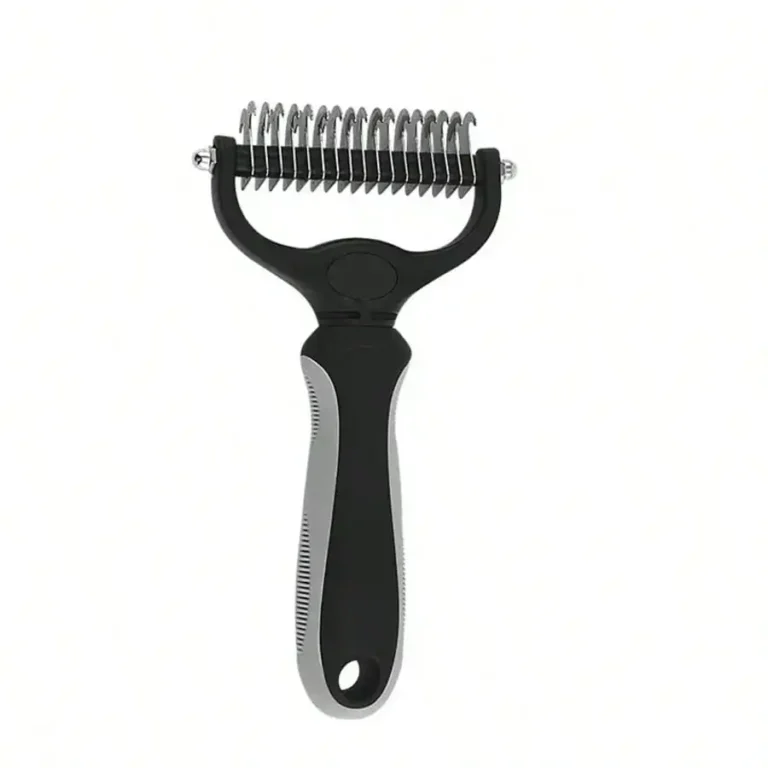
Bigger or tighter: a dematting comb with curved cutting blades splits the mat into strips that can then be combed free. The blades cut on the pull stroke, away from the body, but they are still blades next to skin. Hold the base of the mat, go slowly, and treat a large one as several short sessions rather than one long one.
Do not cut a mat out with scissors. Skin gets pulled up into a tight mat, and from above you cannot see where the hair ends and the dog begins. The cut is often deeper than it looks.
A Routine That Keeps Up
- Most days: comb behind the ears, along the collar line and through the armpits. It takes a couple of minutes once it is a habit.
- Twice a week: the whole coat in sections, brushed and then combed to the skin. A double-sided detangling and thinning brush opens tangles with one face and takes bulk out of the undercoat with the other, which goes after the cause rather than the knot. Use the thinning side lightly: its blades cut, and on a fine coat they leave tracks that take months to grow out.
- Around every bath: comb out before, dry to the skin after.
- Every month or two: feet, face and sanitary area trimmed, by you or by a groomer.
When the Kind Answer Is a Short Clip
Some coats are past saving. When the mats have joined into one solid layer against the skin, which groomers call pelting, there is no brushing it out without hurting the dog. The kind option is to clip the whole coat short, underneath the mats, and start again. A good groomer will tell you that rather than spend two hours dematting a dog who is uncomfortable for all of it.
Clipping a badly matted coat often shows what the mats were hiding: sore or broken skin, parasites, hot spots. If it does, that is a question for a vet rather than a groomer, and worth asking before the coat grows back over it.
And a short coat is a perfectly good way to own one of these dogs. If you are not going to comb to the skin most days, a coat kept at a few centimetres is kinder than a long one that mats, and far easier to keep up between visits. Clipping your dog at home covers doing that yourself, in the order it has to happen.
Everything we list for brushing and coat care: Grooming.