
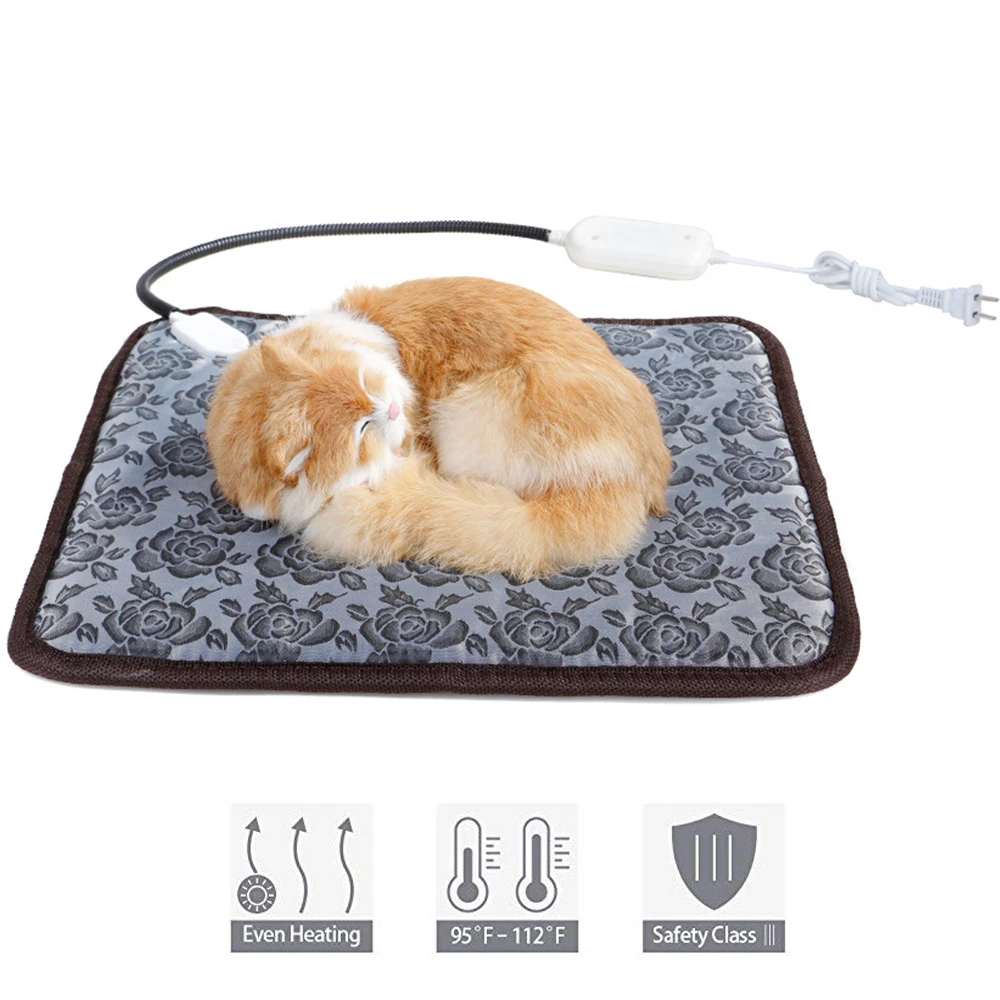
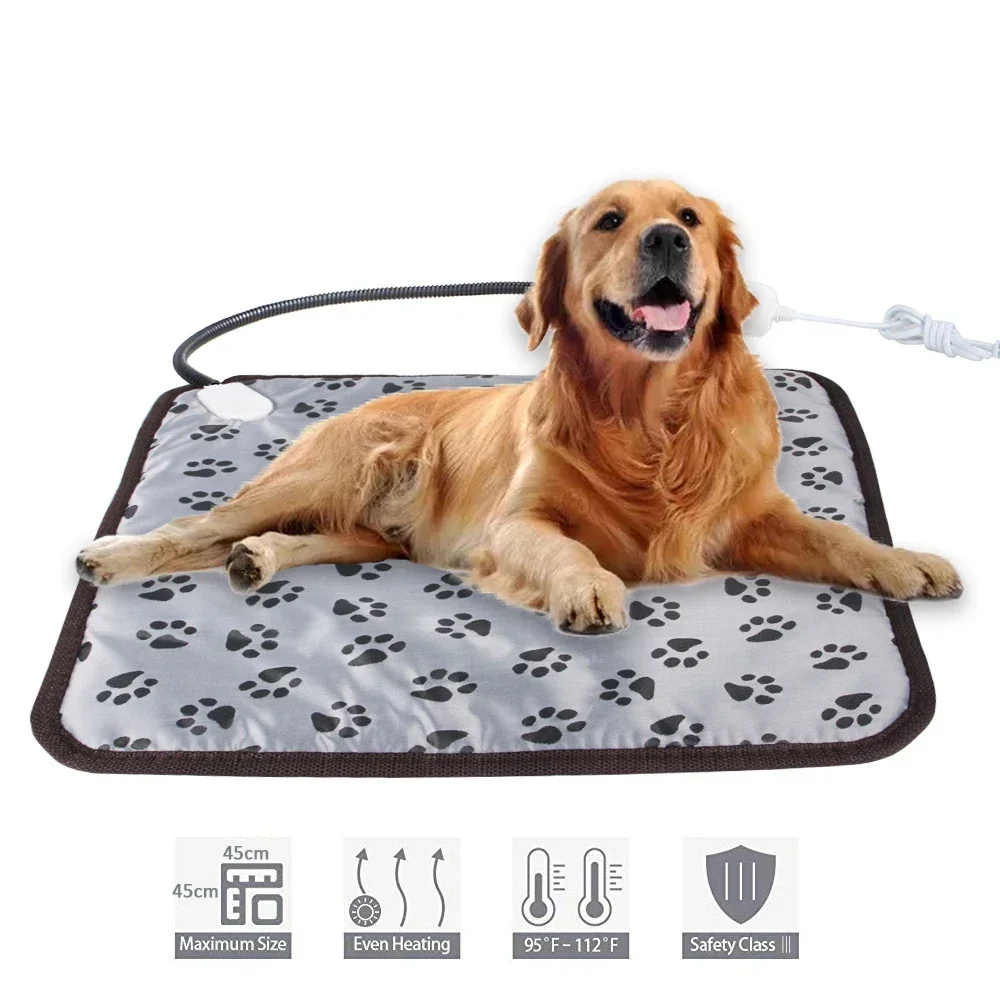
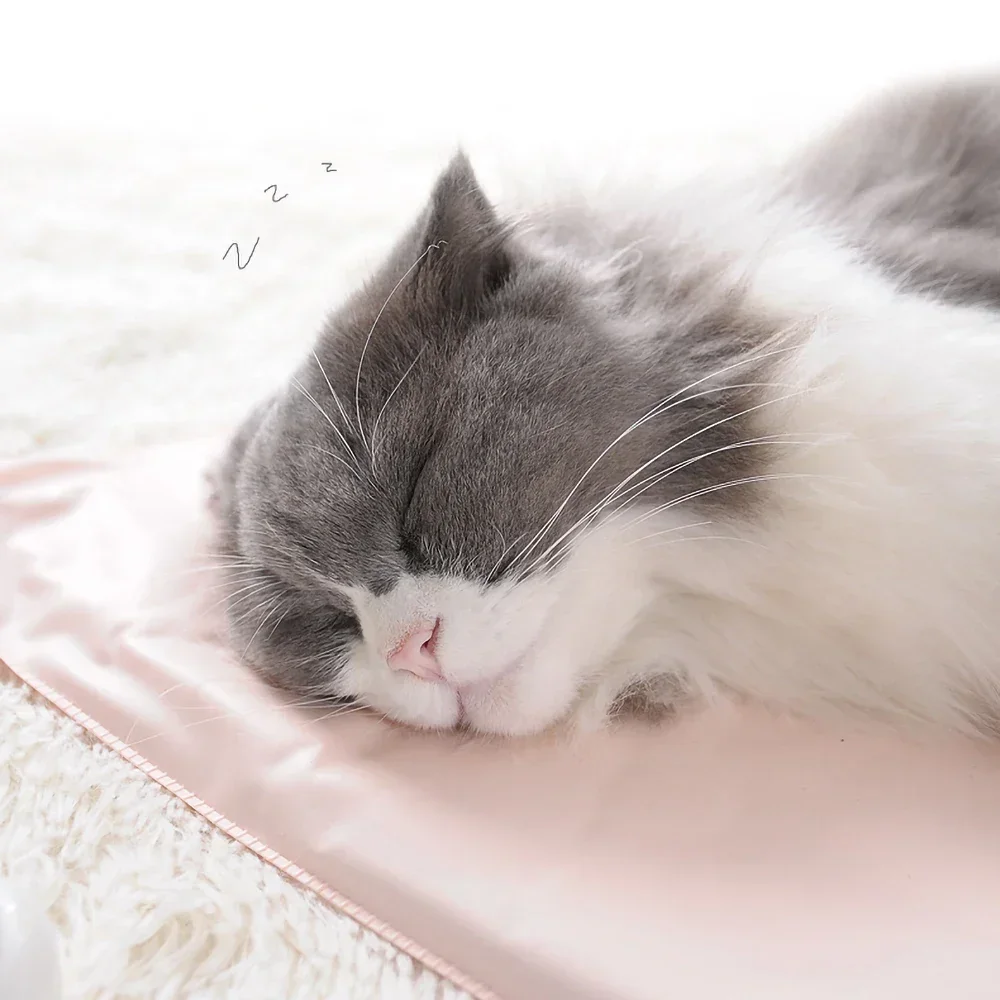
Most dogs need nothing more than a thick bed. A heated blanket is for the ones that do struggle: arthritic seniors whose joints stiffen in the cold, short-coated breeds, and dogs recovering from illness. Because it is a mains appliance around an animal, how you use it matters as much as what it does.
Key Benefits
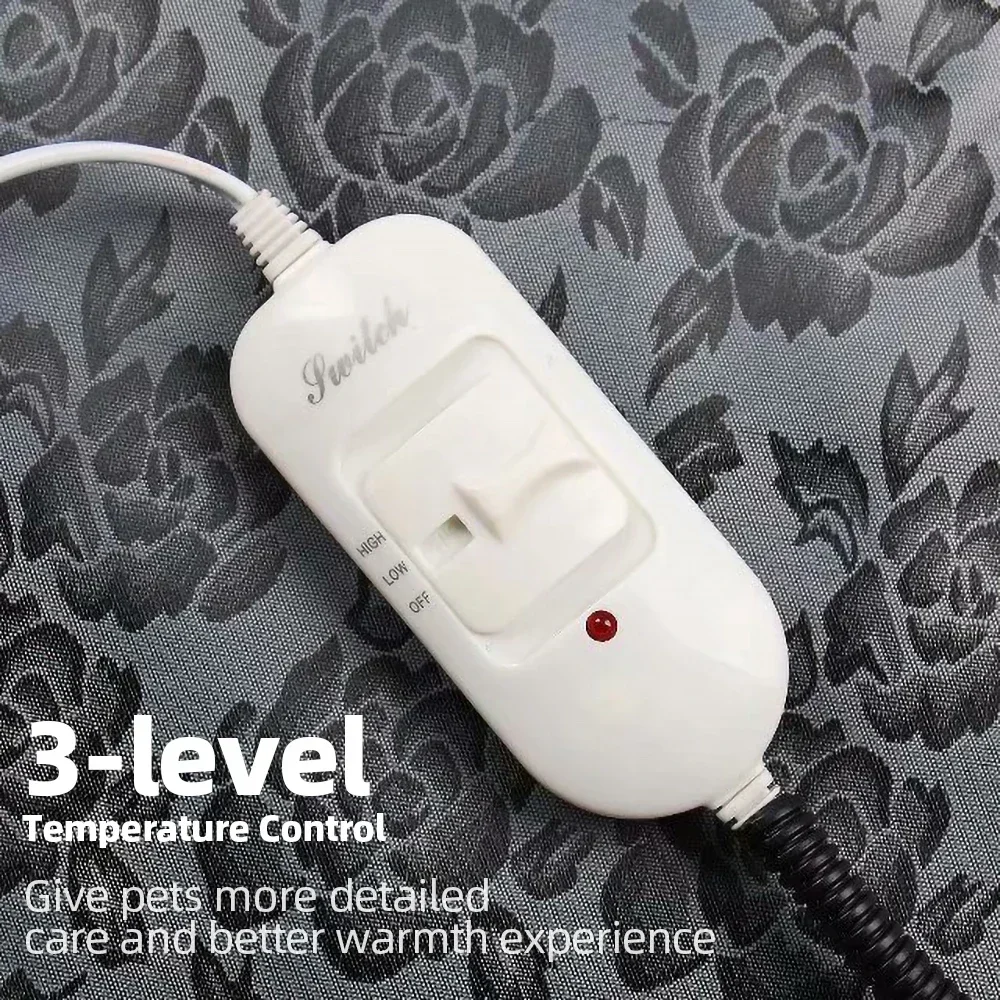
- Adjustable temperature rather than a single fixed heat
- Waterproof layer protects the element from accidents
- Eases stiffness in arthritic and elderly dogs
- Helps short-coated breeds that feel the cold badly
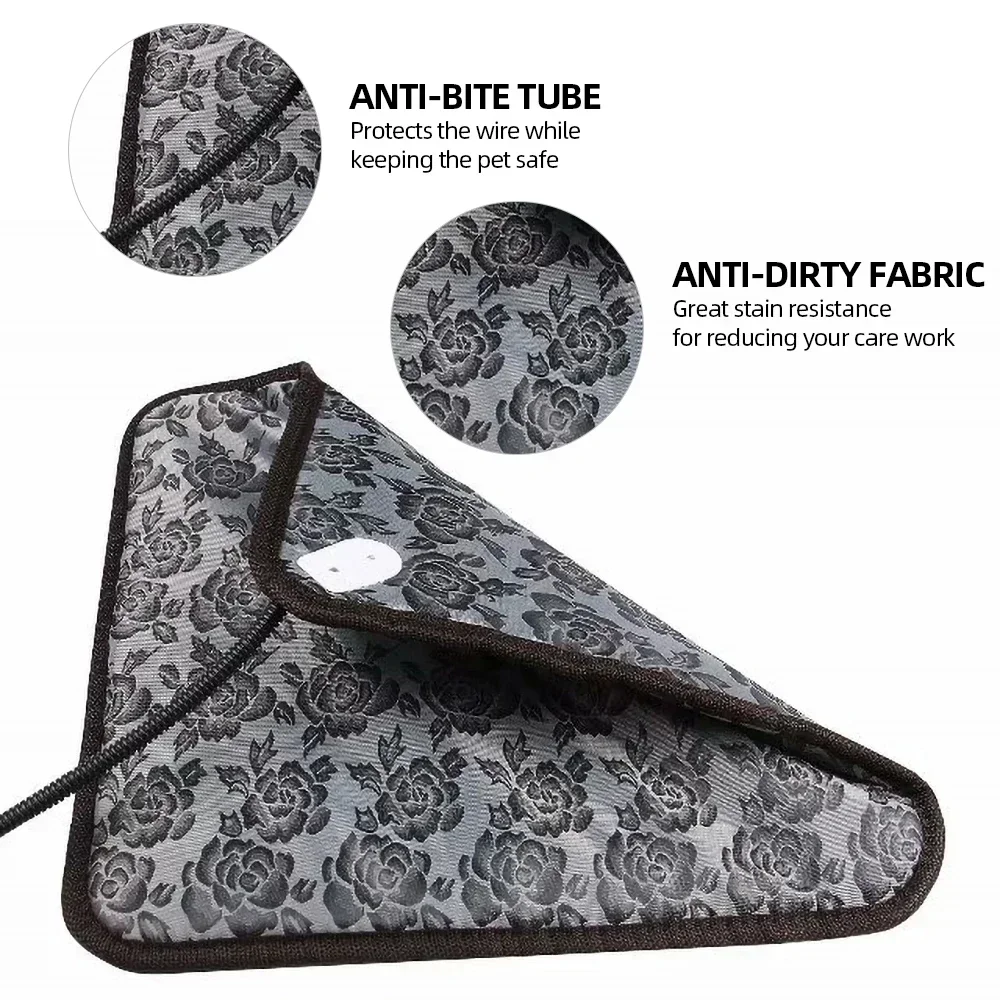
- Wear-resistant outer fabric
- Useful during recovery from illness or surgery
Best For
- Arthritic and senior dogs
- Short-coated breeds such as whippets and greyhounds
- Recovery after illness or surgery
- Unheated rooms in winter
- Dogs that shiver despite a thick bed
How It Works
Run it on the lowest setting that helps and always leave enough unheated floor for the dog to move off if they get too warm, since a dog that cannot escape the heat is the main risk with any heated pad. Route the cable out of reach and unplug it whenever the dog is unsupervised.
Pros and Cons
Pros: Real relief for stiff joints in cold weather, adjustable rather than fixed heat, and the waterproof layer handles the accidents that senior dogs are prone to.
Cons: It is a mains-powered appliance in a dog bed. The cable is a chewing and electrocution hazard, low-temperature burns are possible if a dog cannot move away, and it should never be left running unsupervised.
Things to Consider
- Never leave it powered while the dog is unsupervised
- Route the cable out of reach; chewing it is an electrocution risk
- Always leave unheated space the dog can move onto
- Not suitable for dogs that chew bedding or cables
- Use the lowest effective setting to avoid low-temperature burns
- Prices, availability and shipping times are set by the AliExpress seller and can change
Affiliate notice: LookDog may earn a commission if you purchase through this link, at no additional cost to you.
Reviews
There are no reviews yet.