
Most of the risk in travelling with a dog sits in the car, and most of it is invisible because nothing has gone wrong yet. An unrestrained dog is comfortable, quiet and fine on ninety-nine journeys. On the hundredth it becomes a projectile, and the physics are not negotiable: a 20kg dog in a 30mph impact arrives with roughly the force of a 500kg load.
That is the case for restraint. What follows is what actually restrains a dog, what only contains one, and the gap between the two that most product marketing quietly ignores.
Restraint Is a Legal Requirement, Loosely Enforced
In the UK, rule 57 of the Highway Code requires dogs to be suitably restrained so they cannot distract the driver or injure anyone if you stop quickly. Breaking the Code is not itself an offence, but it can be used as evidence for careless driving, and insurers have declined claims where an unrestrained animal contributed. Several US states and most of Europe have their own versions.
The practical point is not the fine. It is that the same rule describes what keeps the dog alive.
What Each Option Actually Does
| Option | What it does | Crash protection | Best for |
|---|---|---|---|
| Crash-tested crate, secured | Full containment in a rigid structure | Highest, when the crate is tested and anchored | Estates, vans, large dogs, long trips |
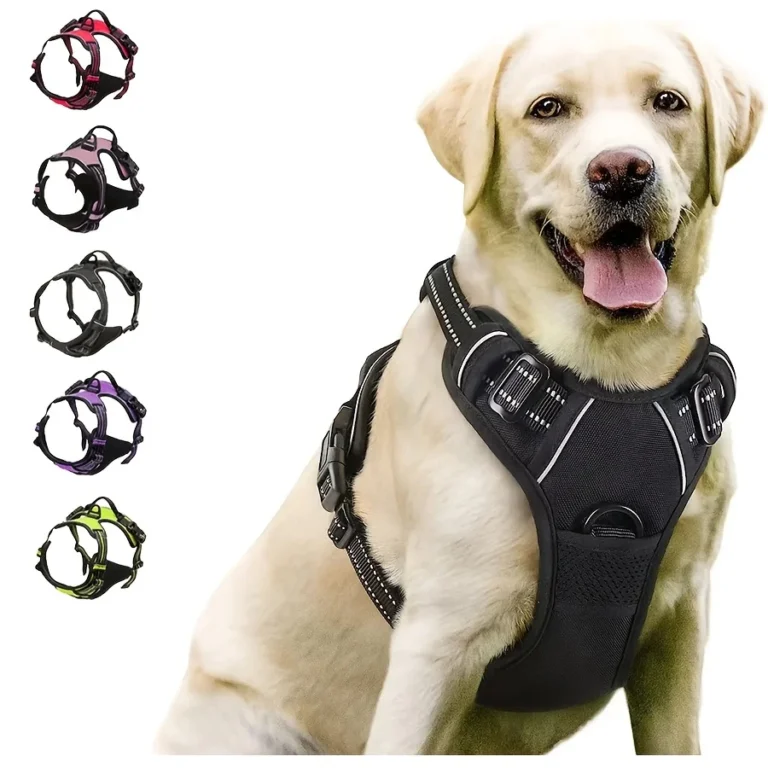
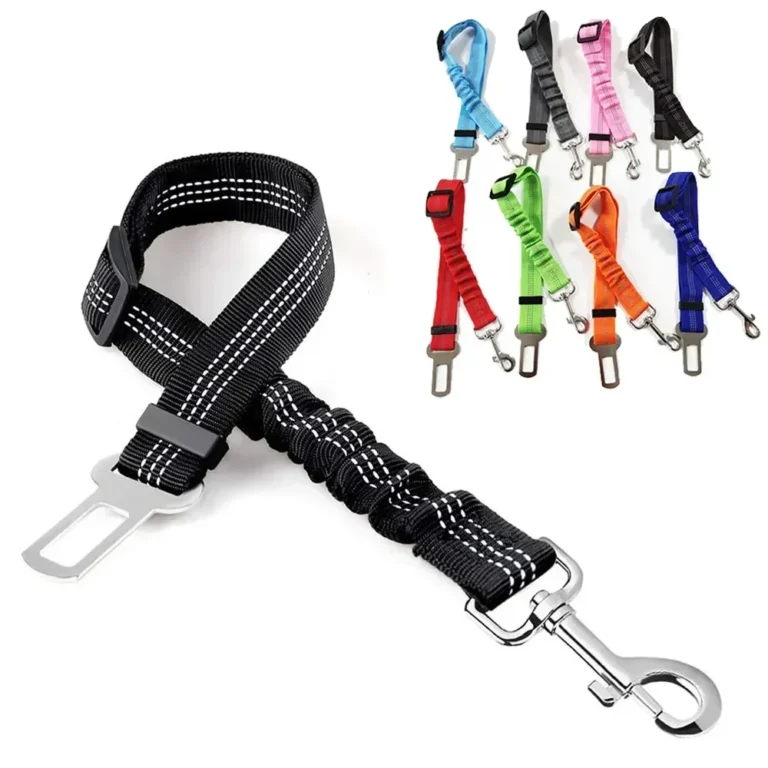
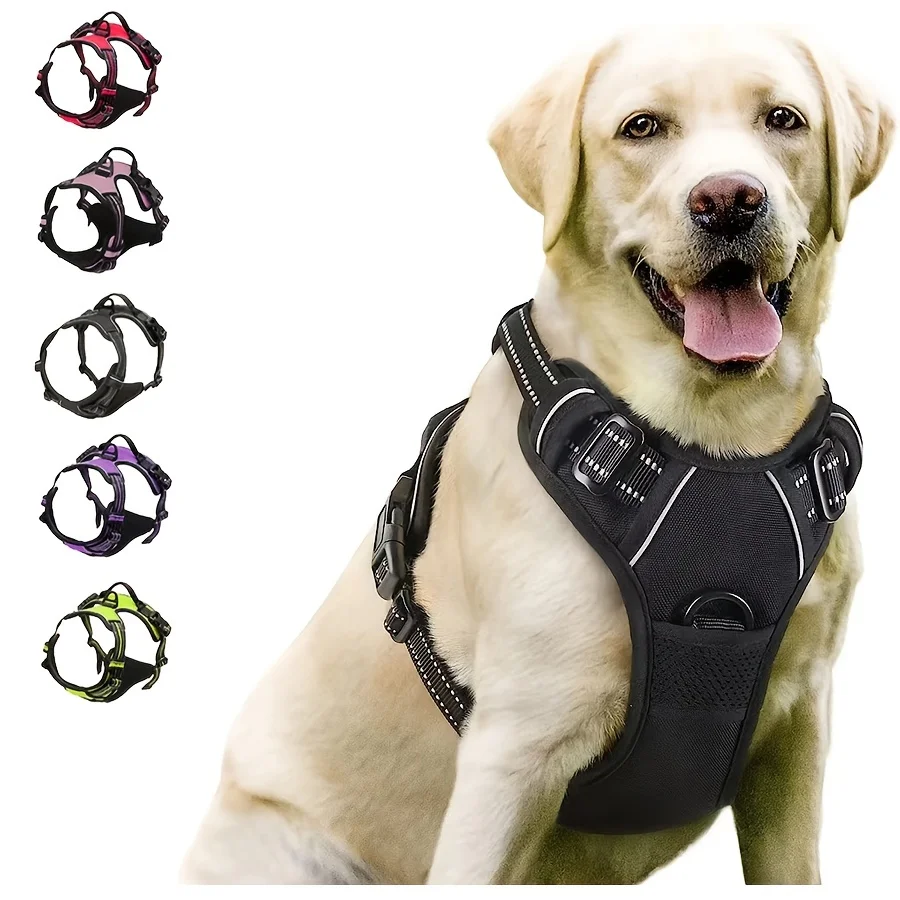
| Harness with a seat-belt tether | Holds the dog on the seat and spreads load across the chest | Good if the harness is crash-tested; most are not | Most cars and most dogs |
| Boot barrier or net | Keeps the dog out of the cabin | None — a separator, not a restraint | Stopping distraction; pair with something else |
| Booster seat with internal clip | Raises a small dog and limits movement | Low; containment rather than protection | Small dogs who travel badly |
| Hammock or seat cover | Protects upholstery, stops footwell falls | None | Mud and hair; use with a tether |
| Collar clipped to a belt | Nothing good | Actively dangerous | Never |
The last row is not a joke. Clipping a lead from a collar to a seat belt concentrates the entire deceleration force on the neck. Any tether must attach to a harness, always.
The Crash-Test Gap
This is the part worth being blunt about, including about products we list. The overwhelming majority of dog car harnesses sold anywhere — on marketplaces, in pet shops, in supermarkets — have never been crash tested. “Heavy duty”, “safety certified” and “seat belt approved” are marketing phrases with no standard behind them. There is no legal test a pet restraint must pass before sale.
Independent testing exists but is voluntary and small. In the United States the Center for Pet Safety runs the only well-known independent crash programme, and when it has tested harnesses at scale most have failed, sometimes spectacularly. A handful pass.
So be clear-eyed about what you are buying. A well-made walking harness plus a tether stops a dog climbing into your lap, roaming the cabin and being thrown into a footwell under braking. That is a genuine safety gain and it is most of the everyday risk. It is not the same as certified crash protection, and if that is what you want, the honest answer is a crash-tested crate from a manufacturer that publishes its test footage — which is not something we sell.
Car Sickness Is Usually Fixable
Most car-sick dogs are puppies, and most grow out of it, because the inner ear structures that handle balance are not fully developed. But a meaningful number never grow out of it, and the reason is that the sickness became anxiety. A dog who has vomited in the car three times now dreads the car, and dread produces drooling, panting and nausea before the engine starts.
So treat it early and treat both halves.
- Let them see out — motion without a matching visual horizon is what triggers it. A small dog in a footwell or flat on a seat gets movement with nothing to look at. Raising them on a booster seat so they can see through the window fixes a surprising number of cases on its own
- Face forward, not sideways
- Withhold food two to three hours before, but never water
- Cool air and a cracked window to equalise pressure
- Rebuild the association — sit in a parked car with the engine off and feed them. Then engine on, still parked. Then to the end of the road and home. Then somewhere good. Weeks, not days
- Ask your vet about medication if you have a journey you cannot avoid. There are effective anti-nausea drugs licensed for dogs; sedatives are a different thing and are not a treatment for nausea
Heat: The Numbers That Matter
A car parked at 22C outside reaches around 47C inside within an hour, and most of that rise happens in the first twenty minutes. Cracking a window changes this very little. Dogs cool themselves by panting, which fails once the air is hot and humid, and brachycephalic breeds fail sooner than others.
Do not leave a dog in a parked car in warm weather, at all. Not for five minutes, not in the shade, not with the windows down. If you see a dog in distress in a locked car, ring the police rather than breaking a window yourself — and in the UK, be aware that criminal damage needs a lawful excuse you may have to argue.
On the move, air conditioning aimed at the dog matters more than you would think, because they are in the back where airflow is weakest and often on a dark seat in direct sun. Sunshades on rear windows are cheap and effective.
Long Journeys
- Stop every two to three hours for a lead walk and water — a folding bowl and an insulated bottle means you are not relying on service stations
- Feed light and early, with the main meal at the end of the day rather than before setting off
- Two forms of identification — the microchip details must be current, and a tag with your mobile number rather than your landline. A dog lost 300 miles from home cannot be reunited via a house phone
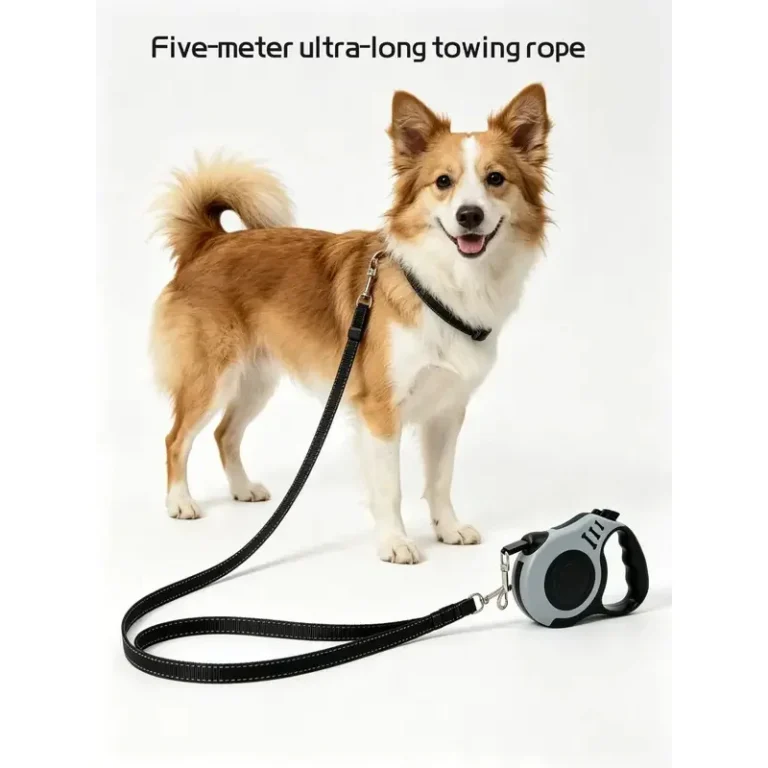
- Double-lead at service stations. A frightened dog slipping a collar in a motorway car park is the worst version of this trip
- Pack their own bed or blanket, unwashed. Familiar smell settles a dog in a strange place faster than anything you can buy there
- Never open a car door before the lead is attached and in your hand
Carriers, and What Size Actually Means
A carrier has to let the dog stand up, turn around and lie down flat. That is the standard airlines use and it is a reasonable one for any carrier. Most people buy one size too small, because they measure a dog curled up asleep rather than stretched out.
Measure length from nose to base of tail and height from floor to the top of the head sitting, then add a few centimetres to each. Soft carriers with a rigid frame hold their shape when set down, which matters more than it sounds: a bag that collapses inward around a dog is frightening, and a frightened dog in a bag is one that will not go back in it next time.
Ventilation on more than one side is not optional. A large enclosed bag with a stressed dog inside warms up quickly.
On flying, briefly and honestly. In-cabin travel is limited to small dogs within strict carrier dimensions, which vary by airline and change. Cargo hold travel carries real risk, particularly for brachycephalic breeds, which many carriers refuse to fly at all. If the trip is optional and the dog is not a cabin-sized dog, the kind answer is often to leave them with someone they know.
Getting the Harness Fit Right
A harness is the one piece of travel gear that also has to work every day, and fit is what decides whether it does. Sizing charts on marketplaces run small and are inconsistent between sellers, so measure rather than guess by weight.
- Measure the chest girth at the widest point just behind the front legs, and the neck at the base
- Two fingers should slide flat under any strap, no more
- The chest strap must sit below the throat, not across it
- Check the armpits after the first long walk — rubbing there is the most common fit failure and the dog will not tell you
- Front clip for pulling, back clip for relaxed walking; a handled harness earns its place for close control at roadsides and for helping an older dog into a boot
- Re-check the fit on a growing puppy monthly
The Short Version
- Restraint is a Highway Code requirement, and more importantly it is what stops a 20kg dog becoming a 500kg impact
- Tether to a harness, never to a collar
- A barrier or hammock separates and protects upholstery; neither restrains in a crash
- Most pet harnesses have never been crash tested, whatever the label claims. A crash-tested crate is the only genuinely tested option
- Car sickness is usually about not seeing out, and usually becomes anxiety if left alone
- A car at 22C outside hits 47C inside within an hour; the window gap does not help
- Stop every two to three hours, and never open a door before the lead is on
- Measure for a carrier with the dog stretched out, not curled up
Browse the travel gear we list, harnesses and carriers through to car kit: Travel Gear.
This is general guidance, not veterinary or legal advice. Check the rules for the countries you are travelling through, and speak to your vet before medicating a dog for travel sickness.