
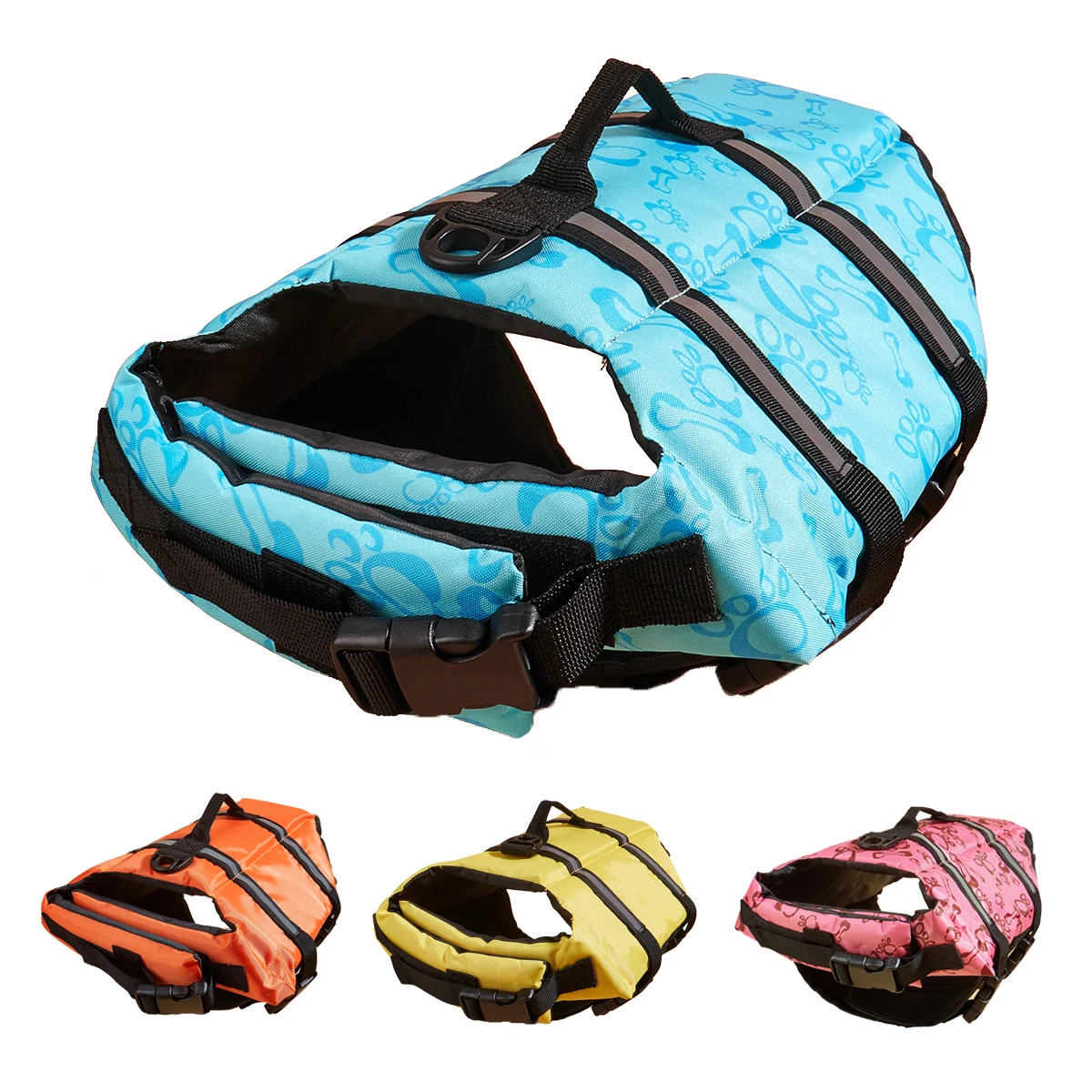
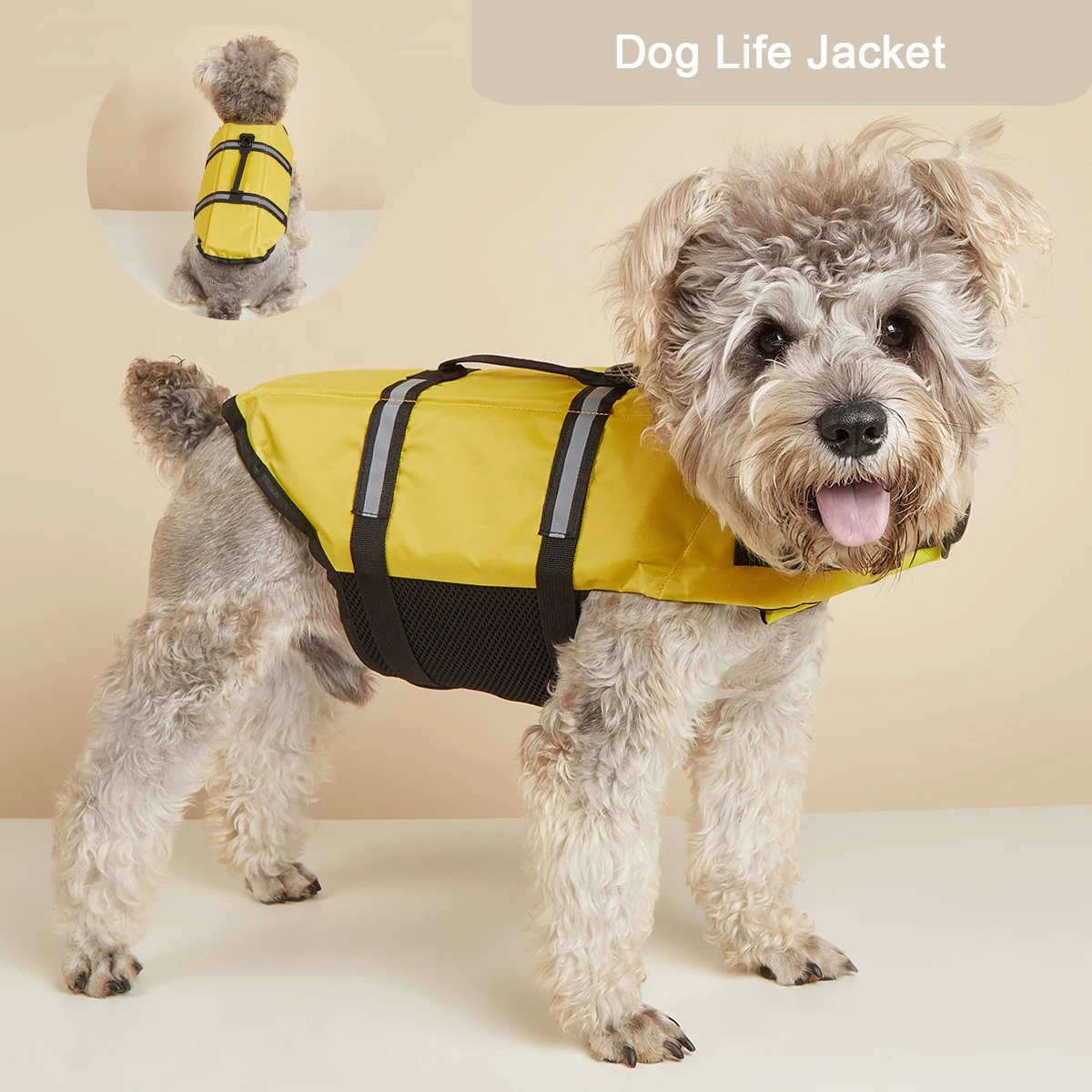
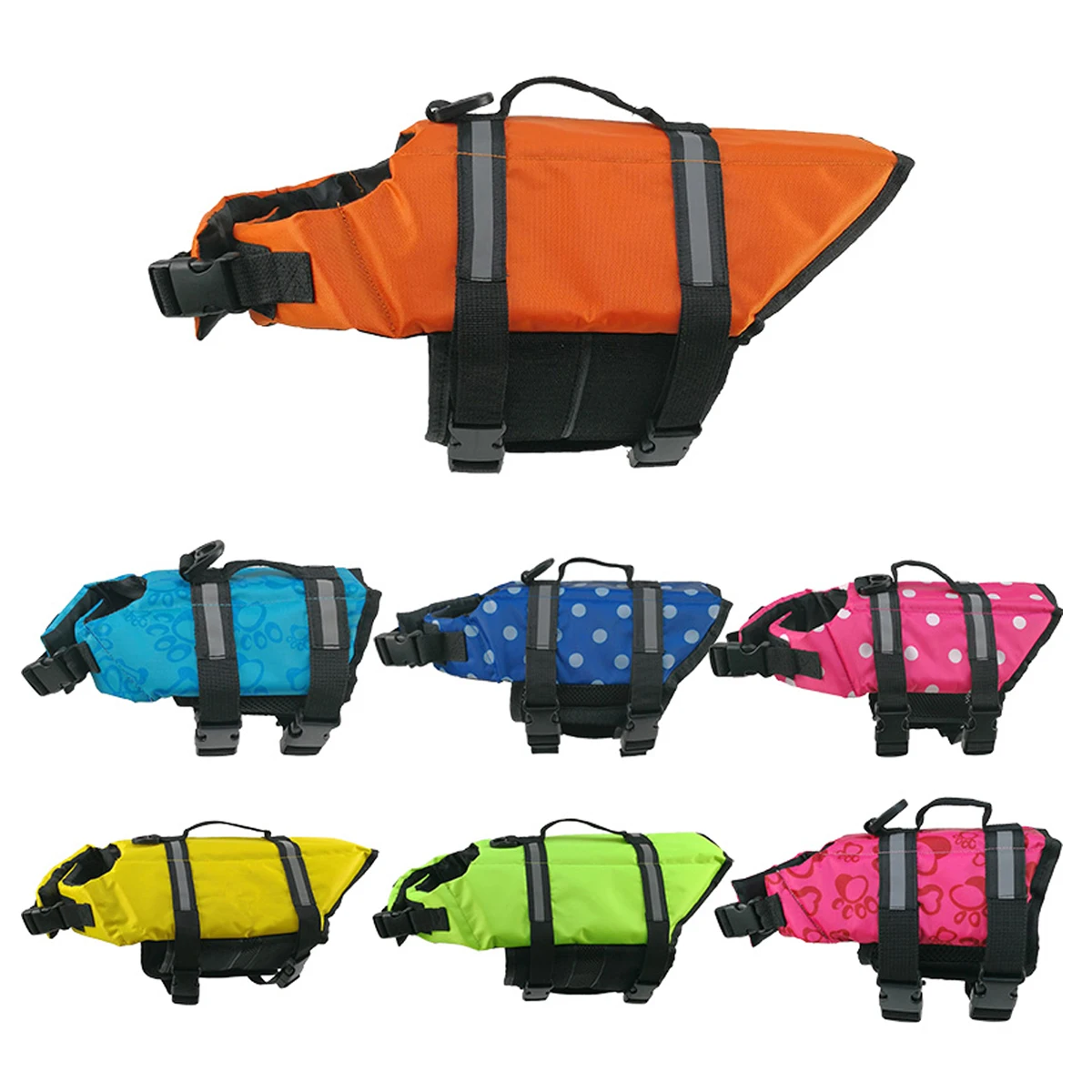
Not every dog can swim, and several popular breeds are actively bad at it — bulldogs, pugs, dachshunds and any heavy-chested short-legged dog sink rather than float. Even strong swimmers tire, and cold water takes strength away faster than anyone expects. A buoyancy aid is not fussing; on a boat it is basic equipment.
Key Benefits
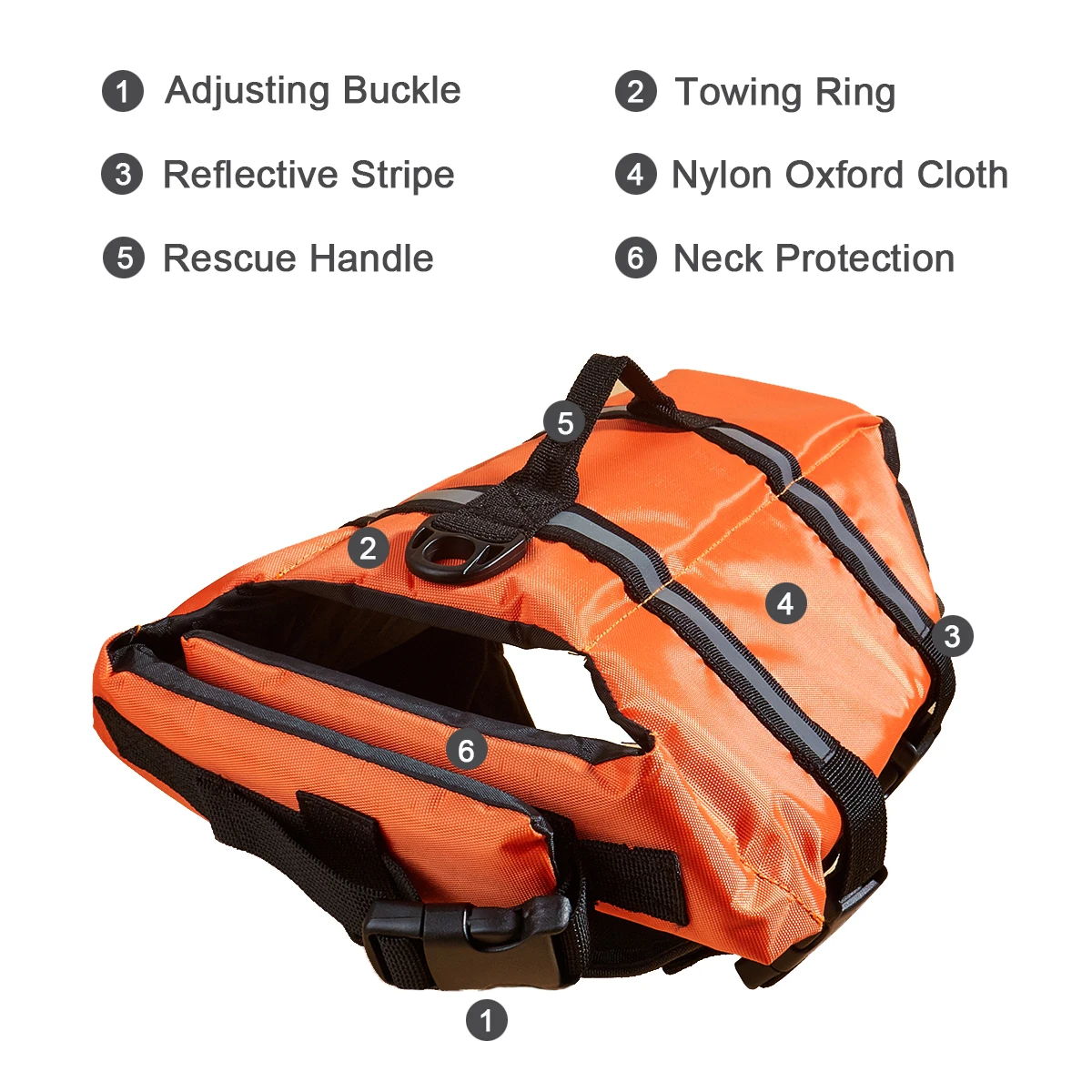
- Buoyancy panels that hold a tiring dog level in the water
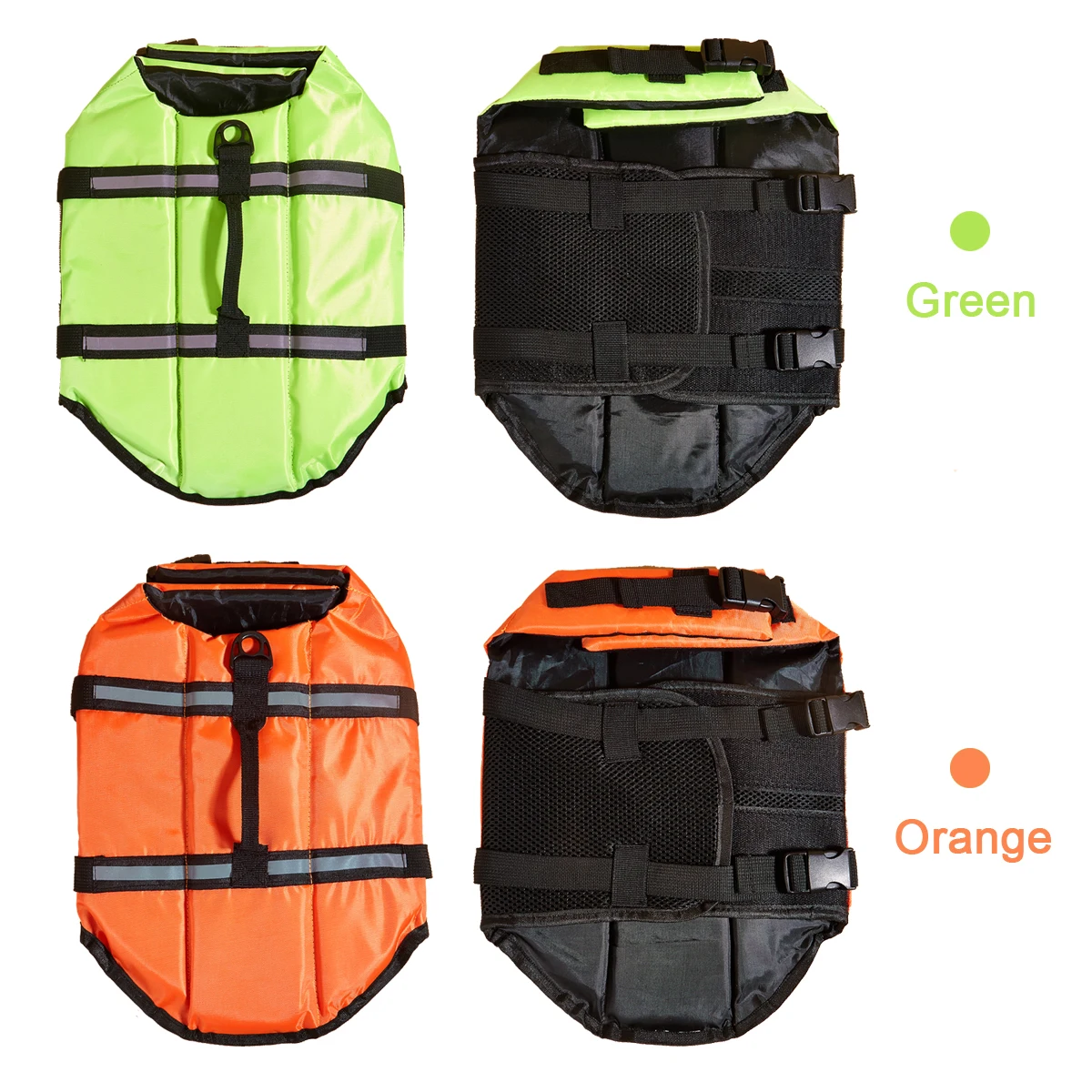
- Lift handle on the back for hauling a dog out of water or a boat
- Reflective panels so a dog in water can be seen at distance
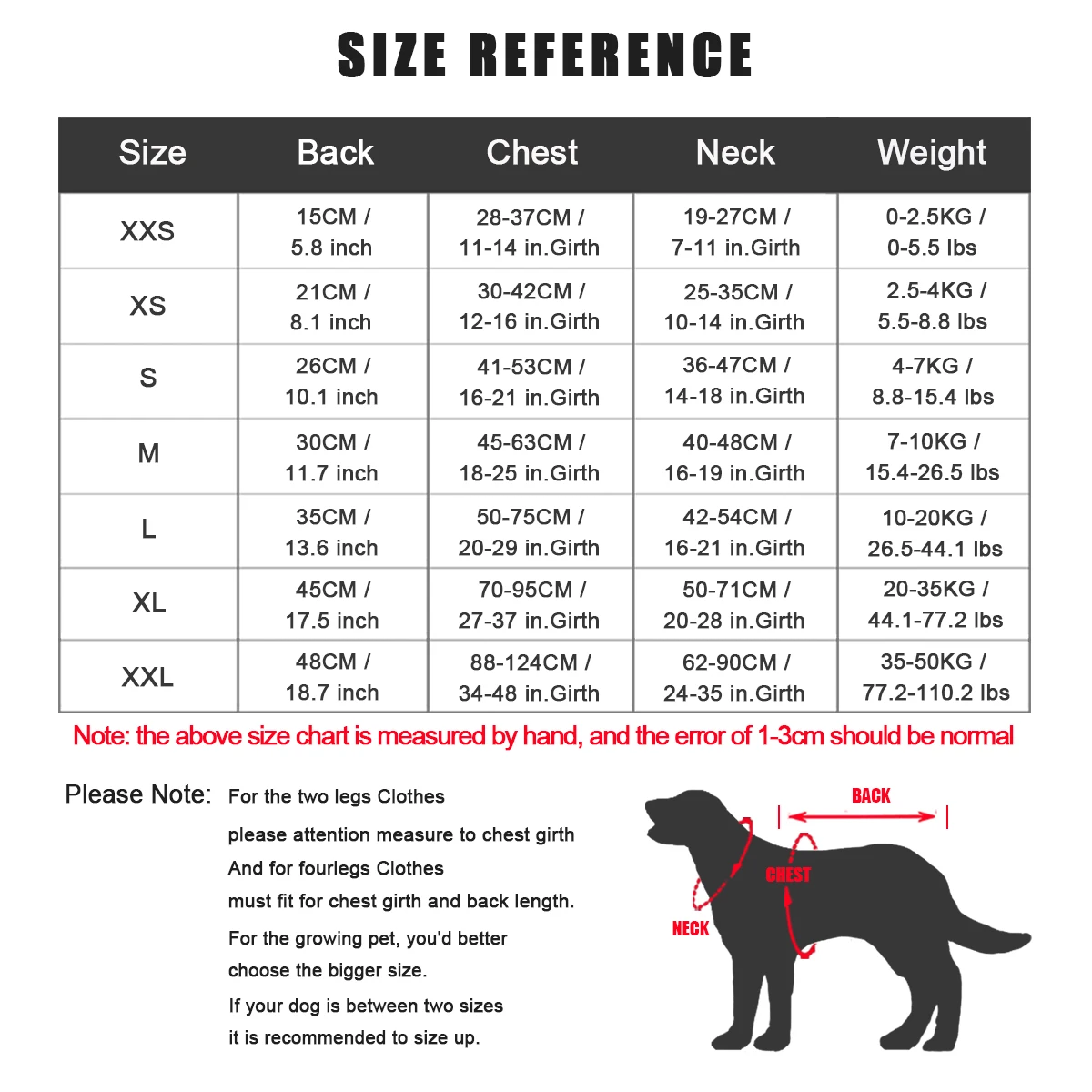
- Adjustable straps to fit deep and shallow chests
Best For
- Boats, paddleboards and open water
- Breeds that swim poorly — bulldogs, pugs, dachshunds
- Older or recovering dogs doing hydrotherapy-style swimming
How It Works
Foam panels sit along the flanks and under the chest so the dog floats level rather than nose-down. The handle sits over the centre of gravity, which is what lets you lift a wet dog vertically without hurting it.
Pros and Cons
Pros: The handle alone justifies it — getting a soaked forty-kilo dog back into a boat is otherwise very difficult. Good visibility in water.
Cons: A buoyancy aid keeps a dog afloat; it does not keep a dog’s head up if the dog is unconscious, and it is not a substitute for supervision. Fit matters enormously: too loose and the dog slides forward inside it and is pushed nose-down, which is worse than no jacket. Cheap foam also compresses and loses buoyancy over a season or two, so check it still floats properly each spring. And no jacket makes cold water safe — hypothermia and blue-green algae are the things that actually kill dogs in open water.
Things to Consider
- Fit it snugly and test it in shallow water before any deep-water use
- Check for blue-green algae warnings; no jacket protects against that
- Prices, availability and shipping times are set by the AliExpress seller and can change
Affiliate notice: LookDog may earn a commission if you purchase through this link, at no additional cost to you.


Reviews
There are no reviews yet.