
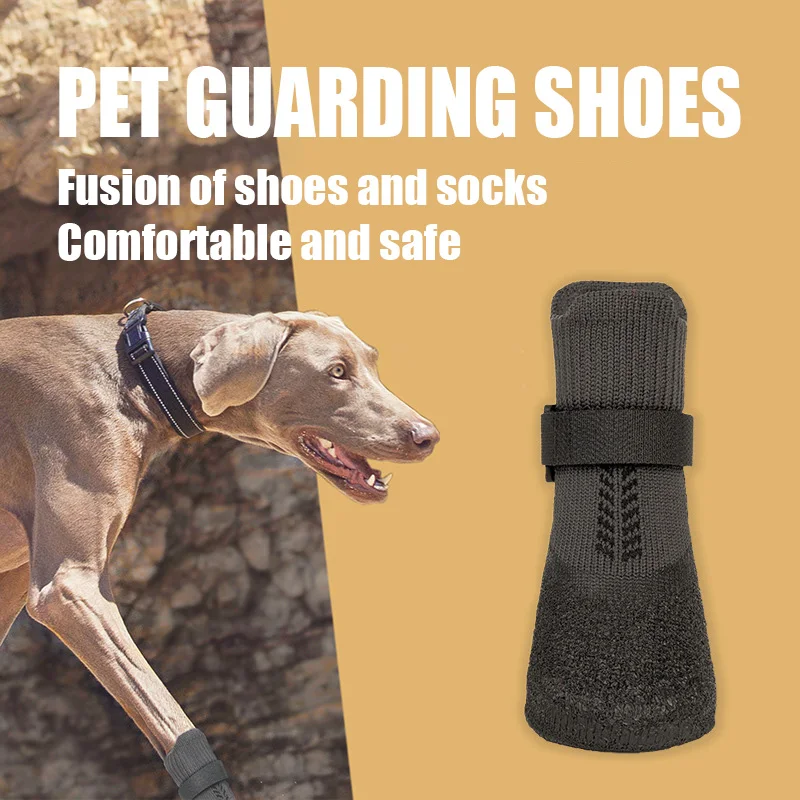
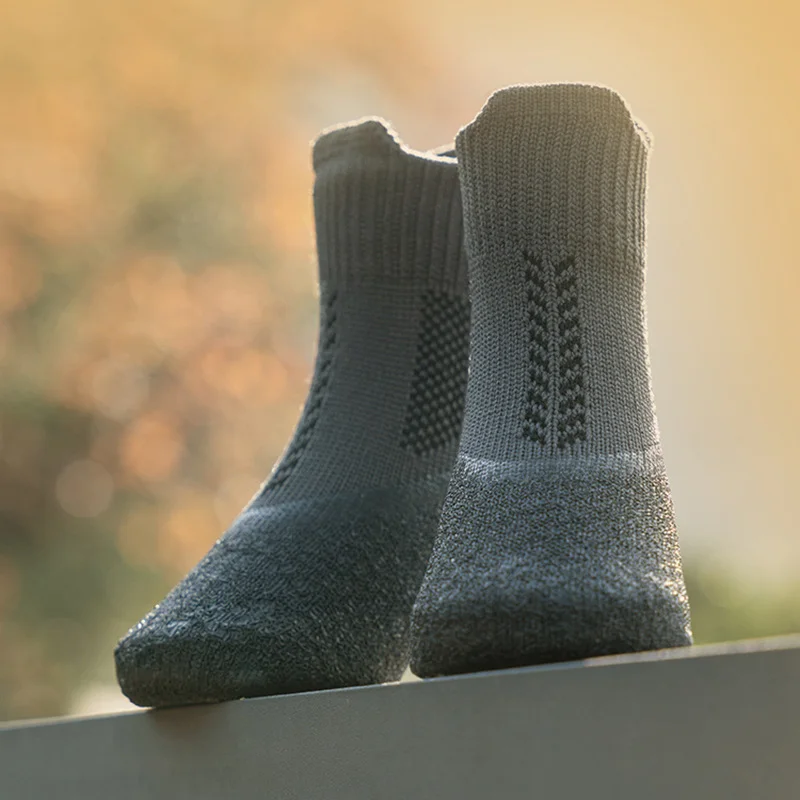
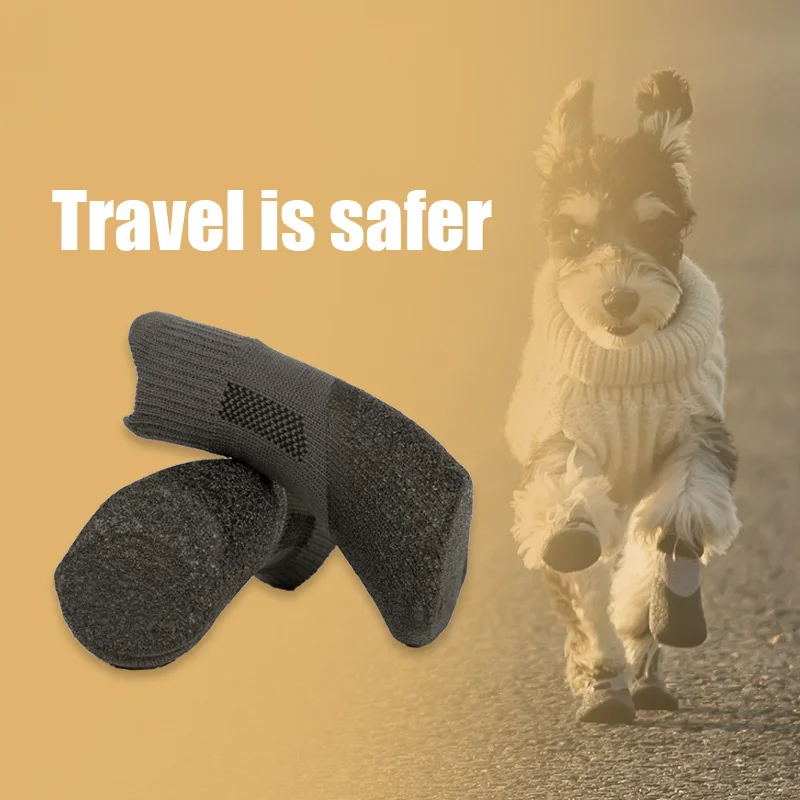
Snow causes a specific injury that rain does not: ice balls form between the toes and in the fur between the pads, and they build up until the dog is walking on frozen lumps. On a long walk that turns into cuts and, in real cold, frostbite on the pads. A high insulated boot stops snow getting in there at all.
Key Benefits
- Higher cuff that keeps snow out of the fur between the toes
- Insulated lining rather than a bare waterproof shell
- Grippy sole for compacted snow and ice
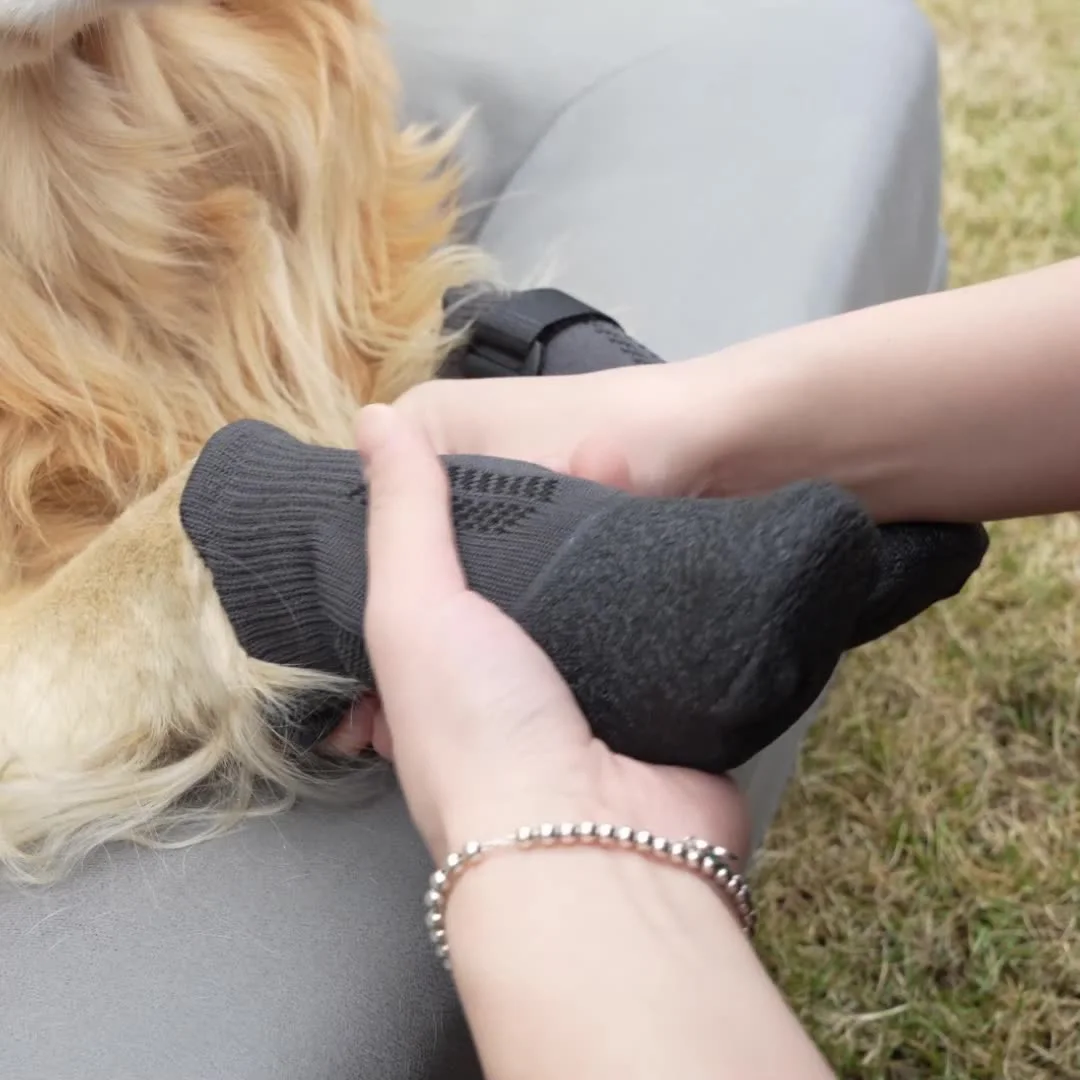
- Wider opening, which makes them far easier to get on
Best For
- Snow and prolonged sub-zero walking
- Long-haired breeds that collect ice balls between the toes
- Hill and moorland walking in winter
How It Works
The high cuff seals above where snow packs, and the lining slows heat loss from the pad. Pads have a counter-current blood system that keeps them working in cold, but it has limits — and it does nothing about ice cutting between the toes.
Pros and Cons
Pros: Solve the ice-ball problem properly, which nothing else does, and considerably warmer than standard rain boots.
Cons: Bulkier and harder to get on than a plain rain boot, and dogs object to them more for that reason. Insulation makes them far too warm above freezing, so they are a genuinely seasonal item that sits in a drawer for nine months. If your dog only occasionally meets snow, trimming the fur between the pads and rinsing the feet after a walk achieves most of the same result for nothing.
Things to Consider
- Trimming the fur between the pads prevents most ice balls for free
- Too warm above freezing — these are for real cold only
- Prices, availability and shipping times are set by the AliExpress seller and can change
Affiliate notice: LookDog may earn a commission if you purchase through this link, at no additional cost to you.

Reviews
There are no reviews yet.