

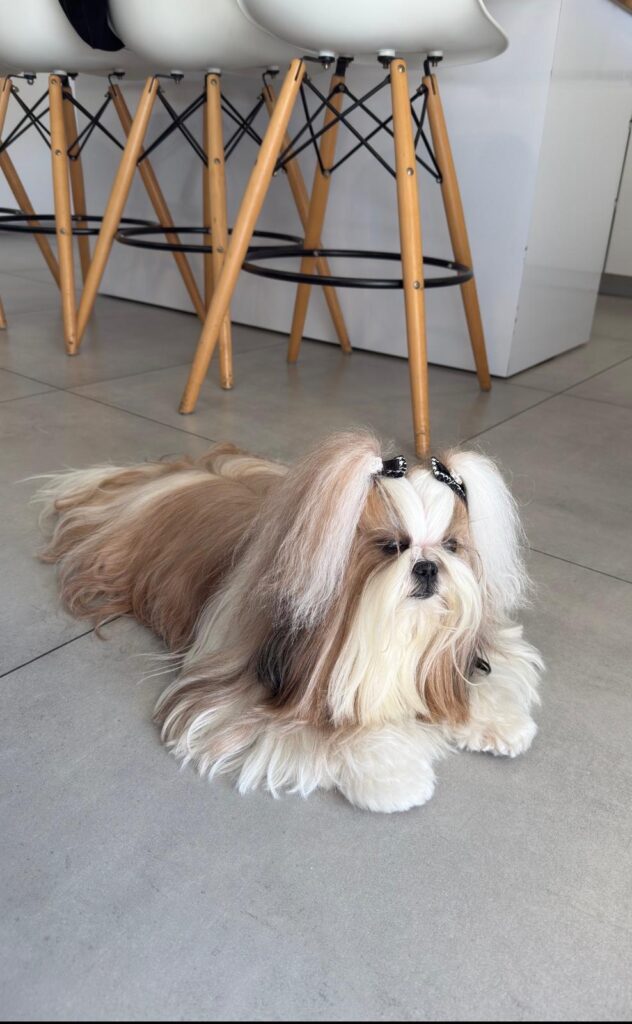
Bell, the Shih Tzu this site is built around, does not have a coat. Whether a small dog needs one depends far more on its fur, its age and the weather than on its size alone, and the honest answer for many long-coated dogs is “less often than the pet shop suggests, but sometimes yes”. This guide is about telling which days, and which dogs.
Why small dogs get cold faster
A small body has a lot of surface for its weight, so it loses heat quickly. A small dog is also close to the ground: cold pavements, wet grass and puddles reach its belly. Add a short walk on a windy, wet evening and a dog that was comfortable at home can be shivering within minutes. Size is only the start, though. Two dogs of the same weight can feel the same weather very differently.
Which small dogs need a coat, and which usually do not
| Dog | Coat in cold weather? |
|---|---|
| Thin, short single coat: Chihuahua, Italian Greyhound, Miniature Pinscher | Often, yes |
| Long-coated breed kept in full coat: Shih Tzu, Lhasa Apso, Havanese | Usually not for warmth; a raincoat on wet days |
| Long-coated breed clipped short (a “puppy cut”) | Often, yes, until the coat grows back |
| Puppies and older dogs | More often; both control their body heat less well |
| A dog that is thin, unwell or recovering from surgery | Ask your vet; often yes |
The clipped long-coated dog is the one people miss. A Shih Tzu or Maltese with a short summer trim has lost most of its insulation, and in winter it can be colder than a short-coated breed that has always had a bit of undercoat. Our guide to clipping at home covers trims; it is worth letting the coat grow a little longer from autumn.
Wet matters more than cold
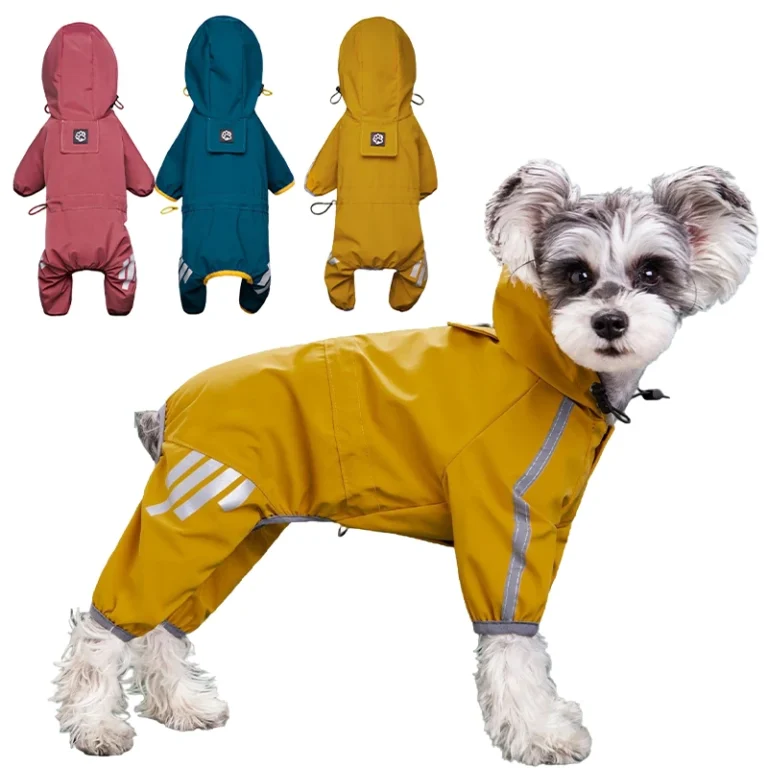
A dry long coat traps air and keeps a dog warm. Soaked through, it stops insulating, holds cold water against the skin, and takes a long time to dry. That is why, for long-coated dogs, a light raincoat is often more useful than a padded winter coat. It also has a grooming benefit: a coat that gets soaked and dries in a damp tangle mats faster, as our guide to a coat that keeps matting explains.
A light, reflective raincoat cut for small and toy breeds: keeps a long coat dry on wet walks rather than adding warmth.
$4.25
Check Price on AliExpressSigns your dog is cold
- Shivering or trembling.
- A hunched back with the tail tucked, or lifting one paw after another off the ground.
- Slowing down, stopping, or turning for home early.
- Looking for shelter, or trying to be picked up.
- Cold ears and paws when you touch them after the walk.
The dog is the best thermometer you have. Researchers and vets have drawn up cold-weather scales by size and coat, and they all say the same thing: the risk rises fast with wind and rain, and is higher for small, thin-coated, young and old dogs. If your dog is showing the signs above, it is cold, whatever the number on the forecast.
Choosing a coat that will actually be worn
- Measure the back from the base of the neck to the base of the tail, and the chest at its widest point. Sizes differ wildly between makers, so go by the size chart, not the label.
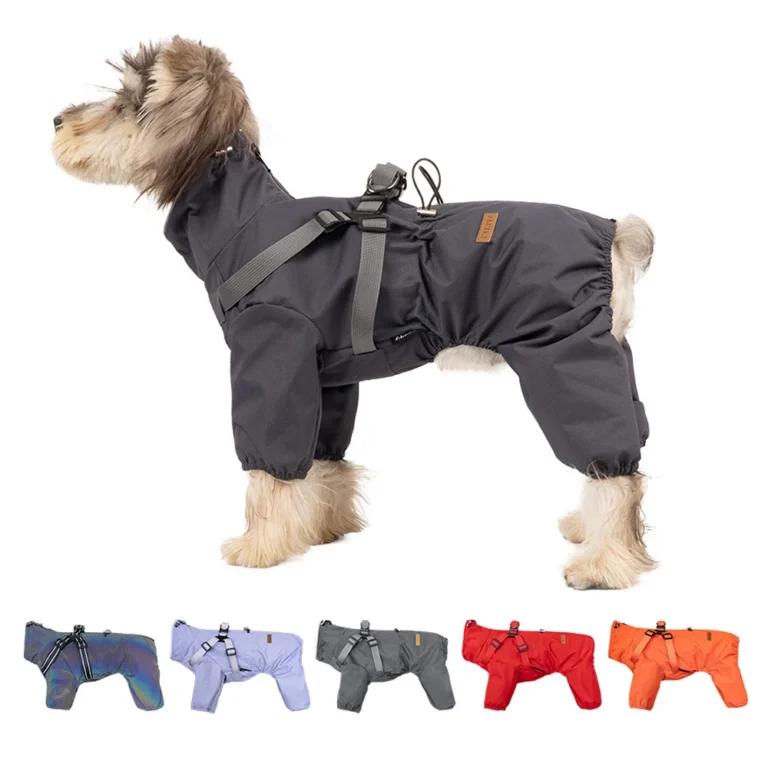
- Check the legs and neck. It should not pinch under the front legs or press on the throat. A coat with an opening for the harness lets you clip the lead to the harness underneath.
- Keep the tummy in mind. On wet ground, a coat that covers the belly keeps a small dog drier than one that only covers the back.
- Easy on, easy off. A dog that has to be wrestled into a coat soon learns to hide when it appears.
- See it in the dark. Reflective trim helps in the short winter evenings; our guide to walking in the dark has more.
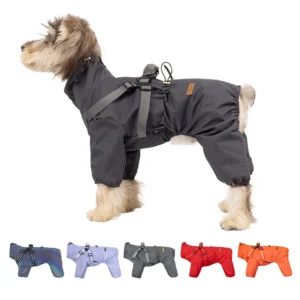
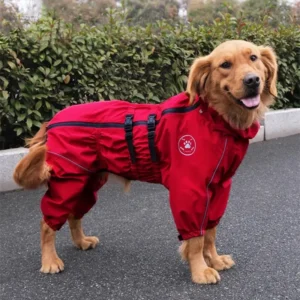
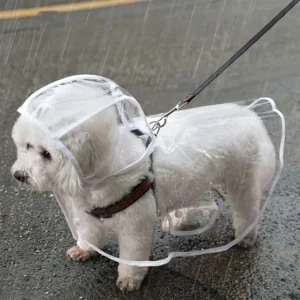
Introduce it slowly: lay it over the dog’s back for a treat, then fasten one strap, then a minute indoors, then a short walk. Take it off once you are back indoors, so the dog does not overheat.
Paws in winter
Salt and grit on pavements can sting cracked pads and upset a stomach if licked off. Rinse and dry the paws after winter walks, and keep the hair between the pads trimmed so snow and grit do not ball up in it. Boots help some dogs on salted or icy ground, though many small dogs take a while to accept them; try them indoors first.
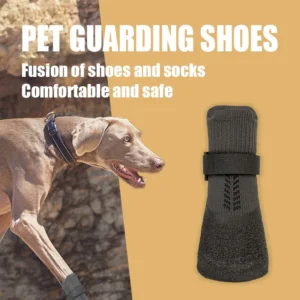
Insulated boots for icy or salted pavements. Let the dog get used to them indoors before the first walk.
$7.29
Check Price on AliExpressWarm at home, too
A small dog spends far more of a winter day asleep than out walking. A bed out of draughts and off a cold floor, with a washable flannel blanket to burrow in, often matters more than any coat. Older dogs especially feel cold, stiff floors; our guide to choosing a bed covers warmth and support.
When it is more than being cold
A dog that keeps shivering after it is warm and dry, seems weak or confused, has pale gums, or has been in cold water and is slow to recover needs a vet that day. Shivering can also be a sign of pain, fear or illness rather than cold, so a dog that trembles indoors in a warm room is worth a vet check.