
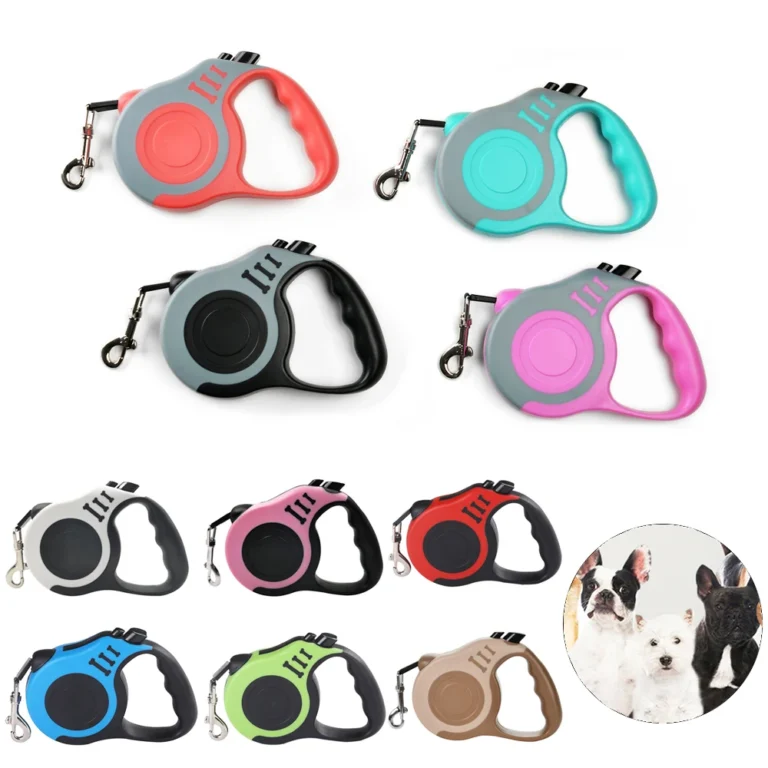
Retractable leads, the ones sold as “automatic” leads, divide dog people more than almost any other piece of kit. Some trainers will not have one in the building; plenty of owners of small dogs use one every day without a problem. Both are right about something. This guide is about where a retractable lead helps a small dog, where it is a real hazard, and how to use one safely if you keep it.
The short answer
| Where you are walking | Retractable lead? |
|---|---|
| Pavements, roads, car parks | No, or locked short |
| Crowds, vets’ waiting rooms, near other dogs on lead | No |
| A dog that pulls or lunges | No |
| Open fields, beaches, quiet wide paths, with a dog that comes back when called | Yes, with care |
| Training a recall | A long line is better |
What goes wrong
Injuries to people. A Consumer Reports analysis of US hospital data counted 16,564 leash-related injuries treated in 2007, nearly a quarter of them to fingers. The data did not separate retractable leads from ordinary ones, but the burns and cuts reported came from a cord running fast through a hand or round a leg. Manufacturers’ instructions typically say the same: never grab the cord or tape, and never wrap it round a finger.
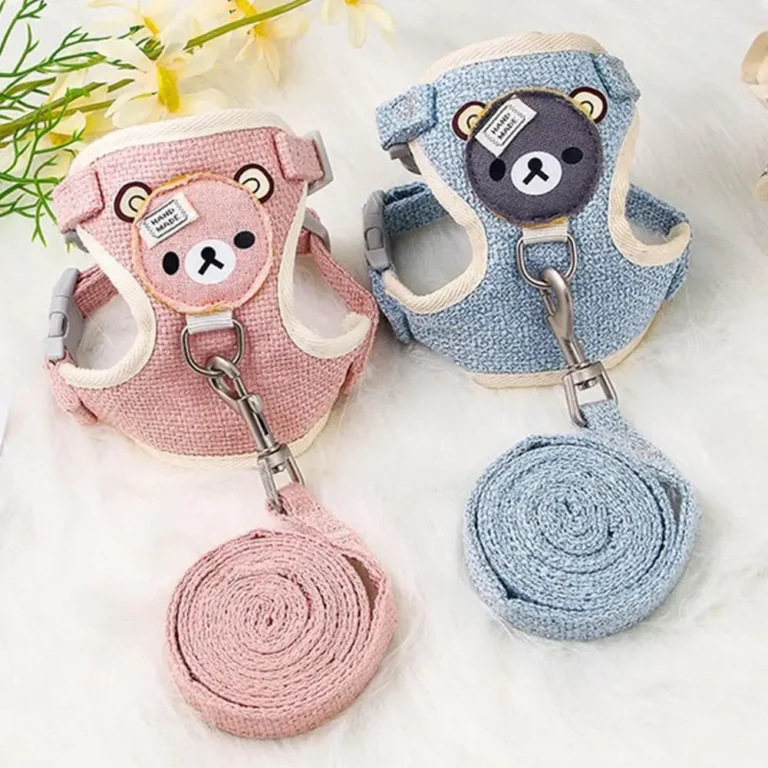
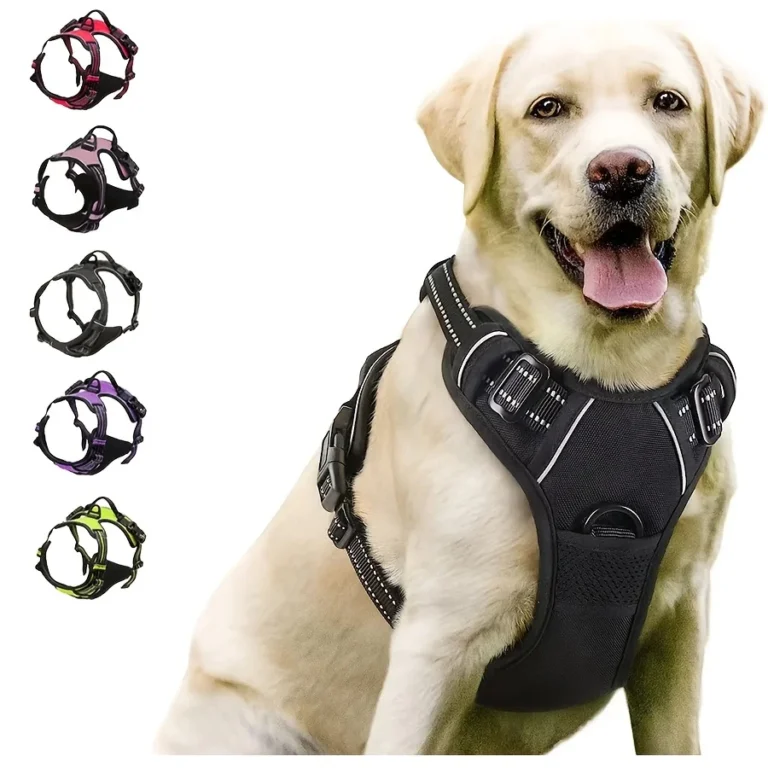
A sudden stop at the end. A small dog that runs to the end of five metres of lead is stopped hard. On a collar, that force goes through the neck. Small breeds are prone to windpipe problems, so if you use a retractable lead at all, clip it to a well-fitted harness, never a collar. Our harness comparison covers what to look for.
Too much lead, too little control. At full length, a dog can be across a path, round a cyclist or between two parked cars before you can reel it in. The thin cord is hard for others to see. And a dropped handle clattering after a dog can frighten it into running further, with the handle chasing it.
It teaches pulling. The lead is always slightly tight, and a dog that leans into it gets more lead. That is the exact opposite of what loose-lead walking teaches. Our guide to why dogs pull on the lead explains how pulling is learned.
Where it genuinely helps
On a wide beach or an empty field, a retractable lead lets a dog that cannot yet be trusted off lead sniff, wander and choose its own pace. For a small, older or nervous dog that is never let off, that freedom matters. The key is that the place, not the lead, makes it safe.
If you use one, use it like this
- Choose tape, not cord. A flat tape is easier to see and less likely to cut than a thin cord.
- Choose the size for your dog. Retractable leads are rated by weight. A model for a much larger dog has a heavier handle and a stronger pull to retract.
- Clip it to a harness. Never to a collar on a small dog.
- Lock it short before you need to. At kerbs, gates, corners and whenever another dog, a child or a bike appears.
- Hold the handle, never the line. If the dog bolts, let it reel out and brake with the button.
- Check it often. A frayed tape, a sticky brake or a cracked clip means it is time for a new one.
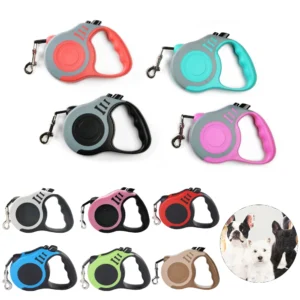
On Amazon: TUG's retractable lead, with a 16 ft flat tape rather than a cord and a lock button. The link opens on the Medium; for most small breeds choose the Small on the page. Use it on a harness, in open spaces, and locked short near roads.
As an Amazon Associate I earn from qualifying purchases.
The better tool for some jobs
For pavements, an ordinary lead of about 1.2 to 1.8 metres gives more control than any retractable lead. For teaching a recall, a long line of three to five metres is better: it has no spring pulling the dog back, so the dog learns to come because you called, not because the lead tightened. Let it trail on the ground in a safe space, and wear gloves if you will ever need to grab it. Our guide to a dog that runs off has the training steps.
A long line for recall practice in open spaces, with none of the spring pull of a retractable lead.
$6.97
Check Price on AliExpressA retractable lead is not a bad object. It is a tool for one kind of place, sold as if it suited every walk. Used where it fits, on a harness and with a hand on the lock, it gives a small dog some freedom it would not otherwise have.