

A long coat that used to feel silky and now feels like straw, white flakes on a dark blanket, a dog that scratches more in winter: dry coat and dry skin are among the most common things small-dog owners ask about. Most of the time the cause is in the bathroom cupboard or the central heating, and it is fixable. Sometimes it is the first sign of something a vet should see. This guide is about telling the two apart, and about what actually helps.
Coat or skin? Look before you buy anything
Part the coat down to the skin in a few places: along the back, behind the ears, on the belly. You are looking for one of three pictures.
| What you see | Most likely | Start with |
|---|---|---|
| Healthy-looking skin, but the hair feels harsh, dull, breaks or tangles easily | Coat damage: washing, drying, brushing, sun, heating | The bathing and grooming changes below |
| Fine, white, dry flakes, little or no itching, worse in winter | Dry skin: low humidity, too much or too harsh washing | Fewer, gentler baths; conditioner; watch for two to four weeks |
| Red, greasy, smelly or scabby skin, hair loss, a lot of scratching or licking, or flakes that seem to move | Allergy, infection, parasites or a medical cause | A vet, before any product |
The everyday causes
- The wrong shampoo. Human shampoo, even a gentle baby one, is made for skin with a different pH. Strong “deodorising” or medicated dog shampoos used routinely can also strip the coat.
- Shampoo left in the coat. In a long, thick coat, undiluted shampoo is hard to rinse out completely, and what stays behind dries the skin.
- Too many baths, or too few. Washing every few days strips natural oils; a long coat left months between baths gets greasy at the skin and brittle at the ends. For many long-coated small dogs, every two to four weeks is a common rhythm.
- Hot drying. A dryer on its hottest setting held close to one spot dries hair to straw. Medium heat, keep it moving, and brush as you dry.
- Brushing a dry, tangled coat. It snaps hair. Our guide to a coat that keeps matting has the comb-first routine.
- Winter. Central heating and cold wind dry skin out, in dogs as in people. Flakes that appear in November and fade in spring usually belong here.
- Diet. A poor-quality or very low-fat diet can show up in the coat first. A complete food from a reputable maker is usually enough; our feeding guide covers the basics.
A bath that helps instead of hurting
- Comb out every tangle first. Water tightens knots into mats.
- Use a moisturising dog shampoo, diluted. Many salon shampoos are made to be diluted; follow the label. Diluted shampoo spreads through a long coat more evenly and rinses out more completely.
- Rinse, then rinse again. Keep going until the water runs clear and the coat squeaks slightly between your fingers.
- Always condition a long coat. A dog conditioner smooths the hair, makes it comb through without breaking, and is the single biggest difference for a harsh coat. Rinse it as the label says.
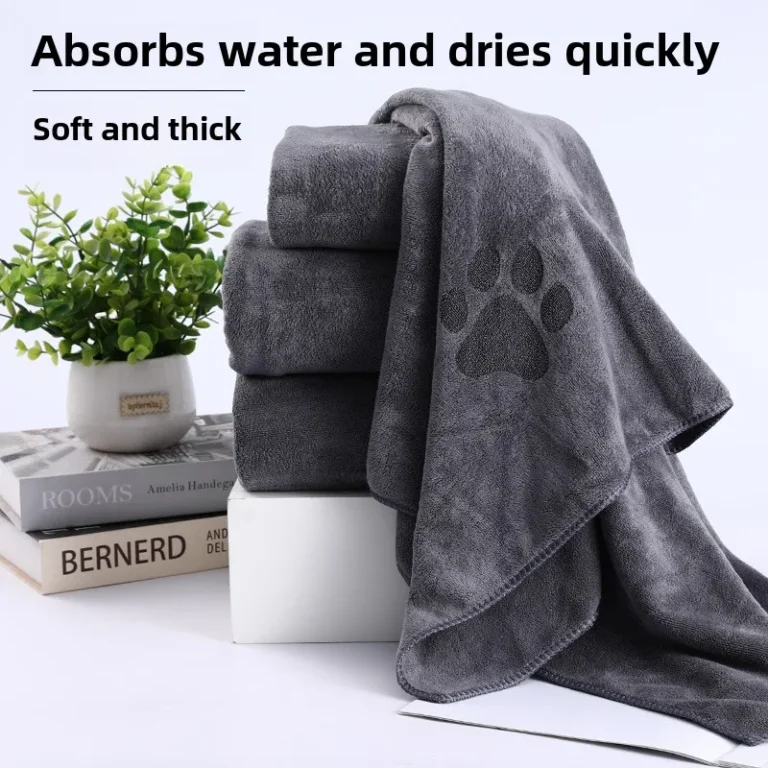
- Towel by squeezing, not rubbing, then dry on medium heat while brushing in sections, right down to the skin.
A thick microfibre towel: squeeze the water out of a long coat instead of rubbing it into tangles.
$5.89
Check Price on AliExpressWhat Bell uses
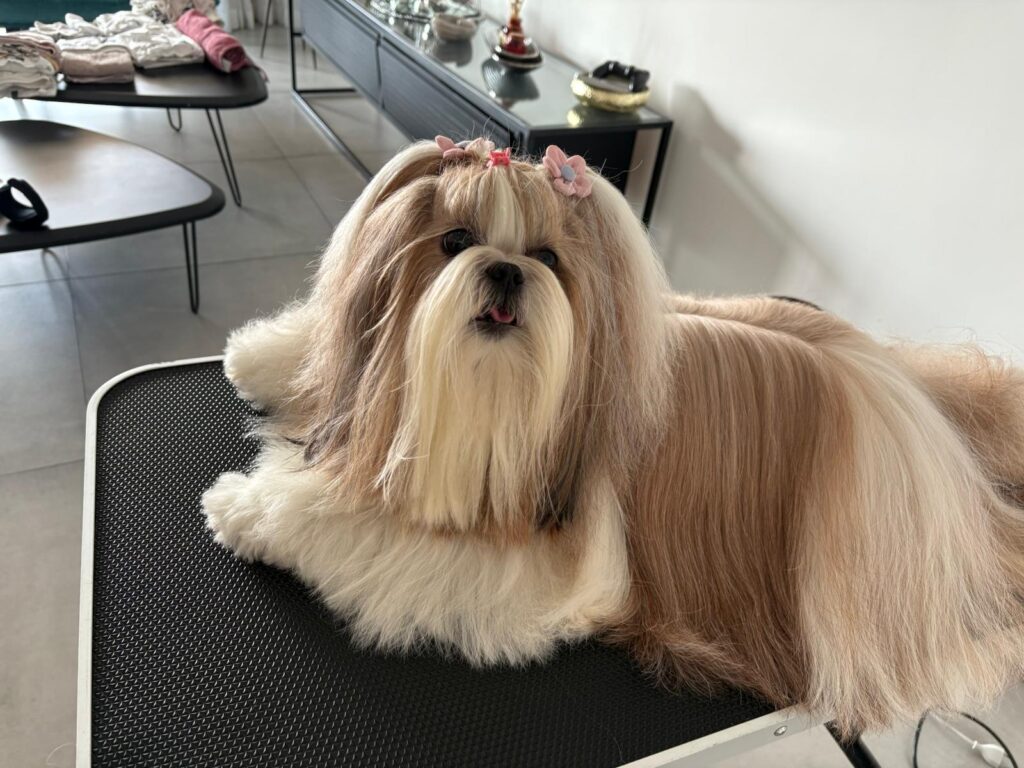
Bell, the Shih Tzu behind this site, is bathed at home every two weeks. She is washed with Hydra Pet Spa’s Senses shampoos (the Care and the Serenity), diluted one part shampoo to four parts water as the label directs, and always gets conditioner afterwards, with the range’s keratin booster mixed into it. We buy them from a local shop; nobody sponsors this paragraph. They are salon products made in Brazil, and there are plenty of other good moisturising dog shampoos. What matters more than the brand is the routine: a dog shampoo, diluted, rinsed out thoroughly, and a conditioner every time.
On Amazon: Hydra Senses Serenity shampoo, the one Bell is washed with. A moisturising salon shampoo for dogs and cats, made to be diluted. Check the bottle size on the page before you buy.
As an Amazon Associate I earn from qualifying purchases.
On Amazon: the matching Hydra Senses Serenity conditioner. On a long coat, conditioner after every bath is what keeps the hair from breaking when you brush it.
As an Amazon Associate I earn from qualifying purchases.
Between baths
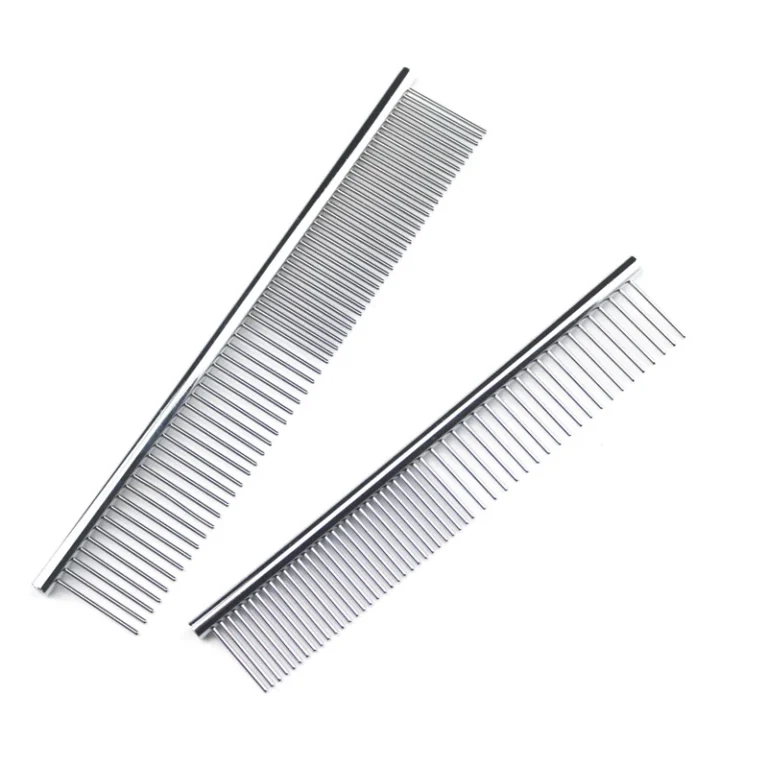
- Brush little and often with a slicker brush, then check with a metal comb that it reaches the skin. A light mist of water or detangling spray first protects dry hair.
- Keep the heating in check. A bed away from radiators helps, and so does a humidifier in very dry homes.
- Protect the coat outdoors. A coat soaked in rain and left to dry in a tangle mats and roughens; dry it after wet walks.
- Ask about omega-3. Fatty acid supplements can help some dogs’ skin and coat, but the right product and amount depend on the dog. Ask your vet rather than guessing a dose.

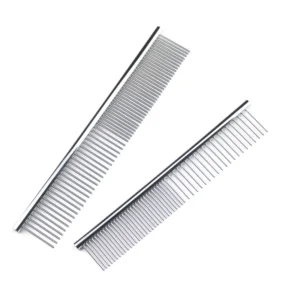
Our guide to grooming at home covers brushes and combs for each coat type, and the bath guide helps with a dog that will not stand still for it.
When it is a vet question
Shampoo and conditioner can fix a dry coat. They cannot fix a skin disease, and a medicated or “itch relief” product used without a diagnosis can hide what is going on. See your vet if you notice:
- Itching, licking or chewing that keeps your dog awake or does not settle.
- Red, greasy, scabby or smelly skin, sores, or hair loss in patches.
- Large amounts of dandruff, especially along the back, or flakes that seem to move: some mites look exactly like that.
- Ear infections or paw licking alongside the skin problem, which often point to allergy.
- A coat that thins and turns dull together with weight gain, tiredness, more drinking or a pot belly. Hormone conditions such as an underactive thyroid can show up in the coat first.
- No improvement after four weeks of gentler bathing and regular conditioning.
This is general guidance, not veterinary advice. Persistent itching or skin changes deserve a vet’s look before any new product.