
A dog dragging its bottom along the carpet is telling you that something back there itches or aches. Scooting is a symptom, not a habit. Most of the time the cause is the anal glands; sometimes it is worms, itchy skin, or a long coat that has trapped something it should not have. Most of these are easy to sort out. One of them needs a vet the same day.
What the anal glands are
Every dog has two small sacs just inside the bottom, one on each side, roughly at four o’clock and eight o’clock. They hold a strong-smelling fluid that marks each stool with the dog’s own scent. Normally a firm stool presses on the sacs on its way out and empties them a little each time. When that does not happen, the fluid thickens, the sacs stay full, and the dog feels it.
Small dogs seem to have more trouble with this than big ones. In the largest study of Shih Tzus in UK vet records, 7.4% were seen for blocked anal glands in a single year, against 4.8% of dogs overall in a comparable study. Our Shih Tzu health guide covers that study in full.
Why the glands block
- Soft stools. Diarrhoea or loose, bulky stools do not press the sacs empty. A dog that has had a bout of runny stools is a common scooter a week later.
- Extra weight. Fat around the base of the tail makes it harder for the sacs to empty naturally.
- The individual dog. Some dogs block repeatedly with no obvious reason, and some never do.
The other reasons a dog scoots
- Worms. Tapeworm segments look like small grains of rice stuck to the hair under the tail or on fresh stools. They itch, and they need a wormer from your vet, not a change of food.
- Itchy skin. Allergies and fleas make the skin around the bottom itch as much as anywhere else. If your dog also licks its paws, scratches its ears or chews its flanks, the bottom is probably part of a bigger picture.
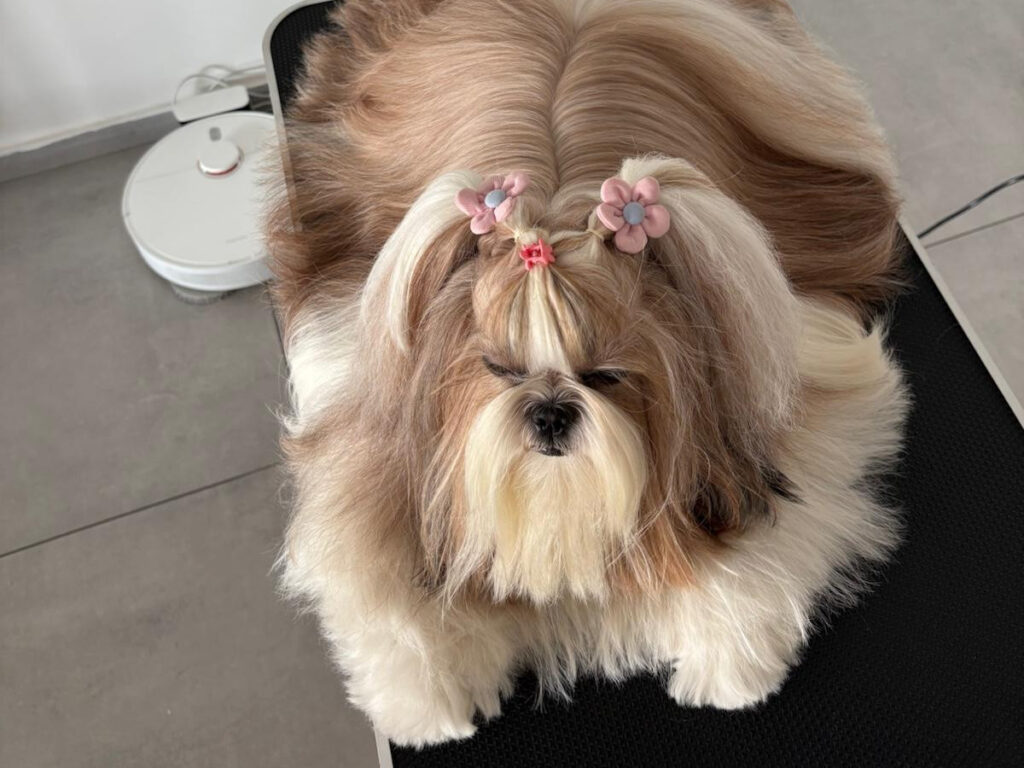
- Something caught in the coat. On a long-coated dog, a little stool can dry into the hair around the bottom and pull every time the dog sits. It is unpleasant to find, easy to fix, and very common in breeds like the Shih Tzu.
- Clipper rash. If the scooting started the day after a groom, the skin may simply be sore from close clipping. It should settle in a day or two.
What you can do at home
Start by looking. Lift the tail in good light and check for dried stool in the coat, redness, swelling on one side, or anything that looks like rice. That one look rules several causes in or out.
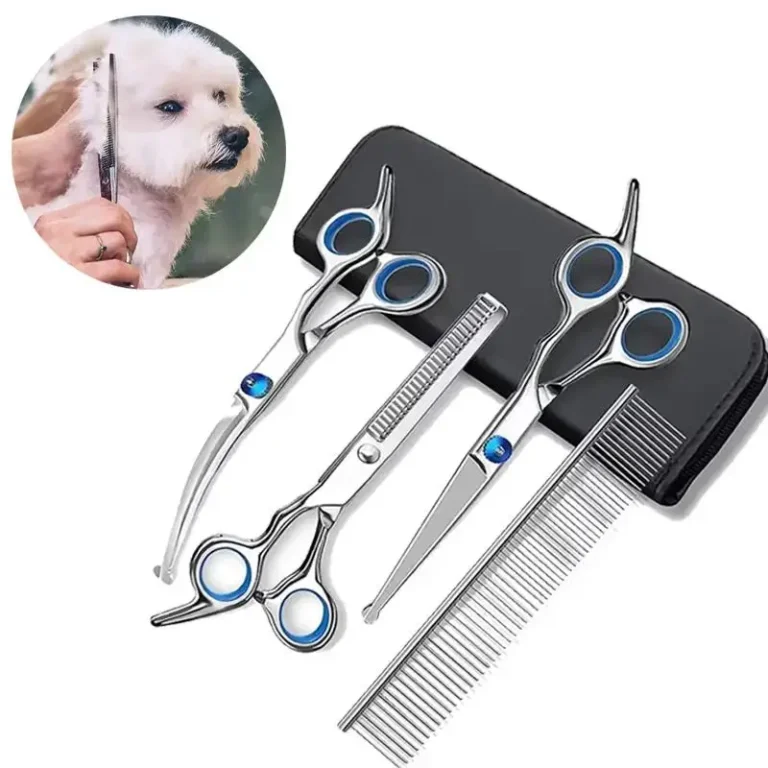
On a long coat, keep the hair short around the bottom. Groomers call it a hygiene or sanitary trim, and it is the single most useful thing a long-coated dog’s owner can do here. A pair of rounded-tip grooming scissors is the safe tool for it, because the skin there is thin and the dog will move. Our guide to clipping your dog at home covers holding a dog still for close work.
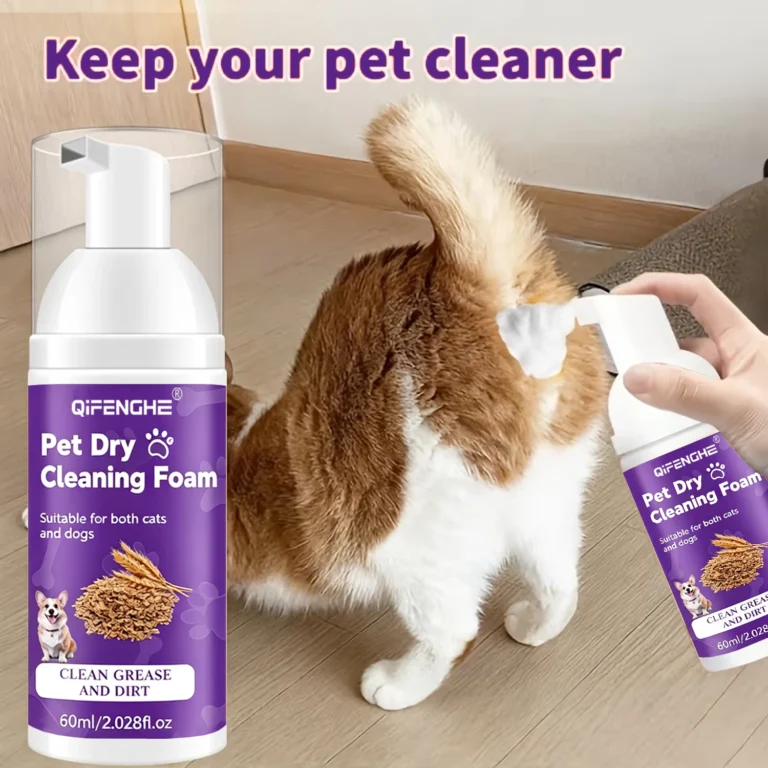
For a mess between baths, a no-rinse foam shampoo cleans the area without a full wash, and a quick-drying towel finishes it. Neither does anything for the glands themselves; they only stop dried mess from being the reason the dog is uncomfortable.
For the glands, the useful work is in the bowl. Firm, well-formed stools are what keep the sacs emptying. If your dog’s stools are often soft, that is worth a conversation with your vet, who may suggest adding fibre; change food gradually rather than overnight. Keeping weight down helps too, and the rib check in our feeding guide is the quickest way to know where your dog stands.
What not to do
Do not squeeze the glands yourself unless a vet or vet nurse has shown you how on your own dog. Emptying sacs that did not need it, or doing it roughly, can bruise them and make the problem worse. Many groomers express glands as part of a groom as a matter of routine; if your dog has no symptoms, it is fine to ask them to leave the glands alone. Human creams and nappy rash ointments are not for this either; they can sting, and the dog will lick them off.
When to see a vet the same day
- A swelling on one side of the bottom, especially one that is red, purple or hot.
- Blood or pus around the bottom, or a small hole in the skin beside it.
- Pain when sitting, crying when the tail is lifted, or straining to pass stools.
- Scooting together with being off food, quiet or feverish.
Those signs can mean an infected or abscessed anal gland, which is painful and needs treating. Plain scooting that keeps coming back is not an emergency, but it is still worth a booked appointment: a vet can empty the glands, check for worms and skin problems in one visit, and tell you which of the causes above you are actually dealing with.
Sources: Dale F, Brodbelt DC, West G, et al. Demography, common disorders and mortality of Shih Tzu dogs under primary veterinary care in the UK. Canine Medicine and Genetics, 2024; Merck Veterinary Manual, anal sac disorders in dogs (pet owner version). This guide is general information, not veterinary advice.