



The short answer from the largest study of Shih Tzu health so far: they are long-lived, ordinary small dogs with a handful of weak spots you can watch for. Across 11,082 Shih Tzus in UK vet records, the median age at death was 12.7 years, and the most common problems were the dull, preventable ones: teeth, anal glands and ears. The breed-specific worries are the eyes, umbilical hernias in young females, and heart murmurs in older males.
This guide goes through what the study found, line by line, and what each finding means for you at home. Bell, the Shih Tzu this site is built around, is five; most of what follows is about the next ten years.
Where these numbers come from
The study is Dale and colleagues, published in Canine Medicine and Genetics (January 2024), from the Royal Veterinary College’s VetCompass programme. Researchers took the anonymised clinical records of 336,865 dogs seen by UK first-opinion vets during 2016. Of those, 11,082 were Shih Tzus. They read the full notes of a random 2,423 to see what each dog was diagnosed with that year, and the records of 89 Shih Tzus that died to see why.
That makes it a picture of ordinary pet Shih Tzus at their local vet, not show dogs or referral cases. The typical dog in it was four years old and weighed 7.9 kg.
The ten most common diagnoses
| Diagnosis | Shih Tzus affected in a year | Median age when seen |
|---|---|---|
| Periodontal (gum) disease | 9.5% | 6.8 years |
| Anal sac impaction | 7.4% | 4.9 years |
| Ear disorder | 5.5% | 4.2 years |
| Otitis externa (outer ear infection) | 4.7% | 4.7 years |
| Vomiting | 4.4% | 3.5 years |
| Overgrown nails | 4.3% | 3.7 years |
| Umbilical hernia | 3.9% | 1.4 years |
| Post-operative complication | 3.8% | 1.9 years |
| Obesity | 3.5% | 4.4 years |
| Corneal ulcer | 3.5% | 5.6 years |
Grouped by body system, skin problems came first (16.6% of dogs), then teeth (13.3%), eyes (11.9%), the gut (10.5%) and ears (10.2%).
Teeth: the most common problem, and the most preventable
Gum disease was the single most common diagnosis, and it rose with age; the highest rates were in dogs over seven. The authors’ own conclusion was that oral hygiene is the healthcare priority for the breed. Interestingly, the Shih Tzu rate (9.5%) was below that for UK dogs overall (12.5%), so this is not a breed curse, it is a small-mouth, small-dog habit problem.
One finding is specific to puppies: retained baby teeth were recorded in 8.5% of Shih Tzus under two. A baby tooth that stays next to its adult replacement traps plaque, so ask your vet to check at the puppy visits and at neutering.
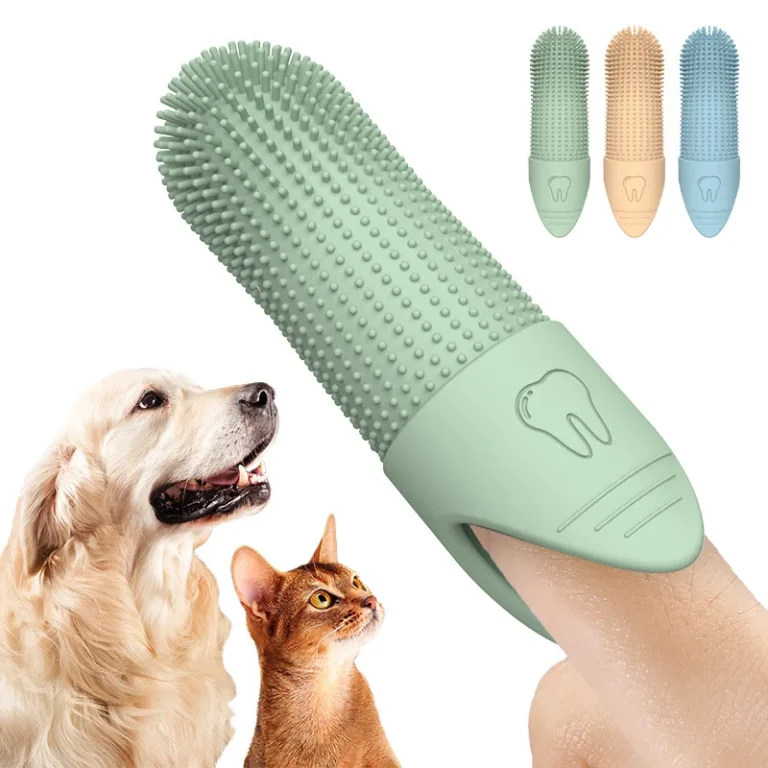
Daily brushing is the one home habit that works. A silicone finger toothbrush suits a small Shih Tzu mouth better than a long brush, and a dental kit with dog toothpaste covers the rest. Brushing slows new tartar; it cannot remove tartar that has already hardened. That needs a vet. Our bad breath guide goes through the routine step by step.
Anal glands: more common than in dogs overall
Anal sac impaction affected 7.4% of Shih Tzus in a year, against 4.8% of UK dogs overall in a comparable study, so the authors suggest a likely predisposition. It became more common with age. The signs are scooting, licking under the tail and a fishy smell.
There is no product that fixes this. Your vet or groomer empties the glands; do not squeeze them yourself without being shown. The study also notes that diarrhoea may make impaction more likely, because soft stools do not press the glands empty, so a dog with frequent loose stools is worth a vet conversation for both reasons.
Ears: common, but less so than in other flat-faced breeds
Ear problems affected 5.5% and outer ear infections 4.7%. That is well below French Bulldogs (14% otitis externa in a similar study) and below flat-faced breeds as a group (7.3%). The long, heavy ear flaps and hair in the canal are the usual reasons Shih Tzus get them at all.
Ear cleaning wipes keep the visible part of the ear clean after baths and swims. They do not treat an infection, and nothing should go deep into the canal. Head shaking, a smell, redness or brown discharge means a vet visit, not more wiping.
Eyes: the real breed weak spot
Eye problems affected 11.9% of Shih Tzus in a year. Corneal ulcers (3.5%) and eye discharge (2.1%) were both higher than in dogs overall, and the authors list eye problems among the breed’s likely predispositions. Shih Tzus have short faces and shallow eye sockets, so the eye sits forward, is easier to scratch, and hair rubs on it. Dry eye (keratoconjunctivitis sicca, 1.2%) appeared mostly in older dogs, at a median age of 9.4, and became more common with age.
Day to day, that means keeping hair off the eyes with a topknot or a trim, wiping away discharge, and looking at the eyes every day. Our tear stains guide covers the daily wipe and what stains can and cannot tell you. A small face comb helps keep the hair under the eyes clear. No wipe or comb treats an ulcer.
Nails and weight
Overgrown nails were recorded in 4.3% of dogs. Small dogs that walk on grass and carpet rarely wear their nails down, and long nails change how they stand. Trimming or grinding a little every two to three weeks is easier on both of you than a big trim; a quiet nail grinder suits dogs that hate the click of clippers.
Obesity was recorded in 3.5% of Shih Tzus, about half the rate in flat-faced breeds as a group (6.4%). It is still worth weighing food rather than scooping by eye: at 7 to 8 kg, a few extra grams a day adds up. A scoop with a built-in scale makes that a habit.
Umbilical hernias in young females
Umbilical hernias affected 3.9% of Shih Tzus, against under 1% of UK dogs overall, and were more common in females (4.8% against 3.0%) and in dogs under two. A hernia shows as a soft lump at the belly button. Many are small and are closed at the same time as spaying; your vet will tell you whether yours needs anything sooner.
Heart murmurs in older males
Heart murmurs were recorded in 2.1% overall, more in males than females, at a median age of 11.4. Heart disease was also one of the three most common causes of death. A murmur is something your vet hears at the annual check, often long before the dog shows anything, which is a good reason not to skip that visit for an older Shih Tzu.
How long Shih Tzus live, and what they die of
Among the 89 Shih Tzus whose deaths were recorded, the median age at death was 12.7 years; half died between 8.7 and 14.3, and the oldest reached 19.9. There was no difference between males and females. Where the method was recorded, 94% of deaths were euthanasia. The most common recorded causes, each at 7.9%, were gut disease, heart disease and poor quality of life. If you are facing that decision, our guide to when your dog dies covers the first hours and the choices.
What this study cannot tell you
- It is UK data from 2016. Breeding, diet and vet care change, and other countries may differ.
- Vet notes often record a sign (diarrhoea) rather than the underlying cause, so some conditions are counted by their symptoms.
- It counts how often problems were diagnosed, not how severe they were or how long they lasted.
- Breathing problems (BOAS), which matter in some flat-faced breeds, did not appear among the most common diagnoses here; that does not mean a Shih Tzu that snores heavily or tires quickly should be ignored.
When to see a vet the same day
- Squinting, a cloudy patch on the eye, the eye looking bigger than usual, or pawing at the face.
- A swollen, painful or bleeding area under the tail.
- Breathing that is noisy at rest, laboured, or with blue or grey gums.
- A belly-button lump that becomes hard, painful or changes colour.
- Repeated vomiting, or vomiting with a swollen belly.
The overall message from the researchers is encouraging: the Shih Tzu looks less like a typical flat-faced breed and more like an ordinary small dog with a few known weak spots. Teeth, glands, ears, eyes and an annual check cover most of them.
Sources: Dale F, Brodbelt DC, West G, et al. Demography, common disorders and mortality of Shih Tzu dogs under primary veterinary care in the UK. Canine Medicine and Genetics, 2024; and the Royal Veterinary College summary. This guide is general information, not veterinary advice.