



The short answer: in UK vet records, the typical Shih Tzu lives to about 11 to 13, plenty reach 14 or 15, and the oldest in the largest study was nearly 20. The longer answer is more useful, because the three numbers you will find quoted online are all correct and all different, and the reasons they differ tell you something about your own dog.
Three studies, three numbers
| Study | Shih Tzu figure | What it measures |
|---|---|---|
| Dale and colleagues, 2024 (UK vet records, 2016) | 12.7 years | Median age of the Shih Tzus that died, among 11,082 in the records |
| Teng and colleagues, 2022 (UK vet records, 2016 to 2020) | 11.05 years | Life expectancy at birth, from a life table of 635 Shih Tzus that died |
| A Japanese study, as cited by Teng | 15.0 years | Life expectancy of Shih Tzus in Japan |
The UK figures differ because they answer different questions. The median age at death is the middle of the dogs that died. A life expectancy at birth counts every puppy from day one, including the few that die young, which pulls the number down. Neither is wrong; the second is the more cautious way to put it.
The Japanese figure is the striking one. The same paper notes Japanese dogs of several breeds living years longer than UK dogs of the same breed, and that breed lifespans differ between countries for a wide range of genetic and healthcare reasons. It is a reminder that a breed average is not a fixed limit.
An older dog has more time left than the average suggests
This is the part most people get wrong. If Shih Tzus live about 12 years on average, it is tempting to think a ten-year-old has two left. The life table study makes the point directly: life expectancy at each age is not the average lifespan minus that age. A dog that has already reached ten has, by definition, avoided everything that ends shorter lives, and its remaining time is longer than the subtraction implies.
In the UK Shih Tzu records, half of the dogs that died were between 8.7 and 14.3, and the oldest was 19.9. If your Shih Tzu is ten and well, you are planning for years, not months. Our guide to the older small dog is about making those years good ones.
What Shih Tzus usually die of
In the 2024 study, the most common recorded causes of death, each at 7.9%, were gut disease, heart disease and poor quality of life, and 94% of deaths where the method was recorded were euthanasia. In other words, most Shih Tzus are not lost suddenly; their owners and vets make a decision at the end of a long life. Our guide to that study goes through all of its findings, from teeth to eyes.
Males, females and neutering
Across all UK dogs, females lived slightly longer than males (11.41 against 11.07 years at birth). For Shih Tzus on their own, the 2024 study found no difference between the sexes.
The life table study also found neutered dogs had a longer life expectancy than entire dogs, most clearly in females. Treat that carefully. Studies of records can show that two things go together, not that one causes the other; owners who neuter may also differ in how they look after their dogs in other ways. Neutering is a decision to make with your vet on its own merits, not as a way to add years.
What you can actually influence
Nobody can promise extra years, and no supplement has been shown to deliver them. What the evidence does support is unglamorous:
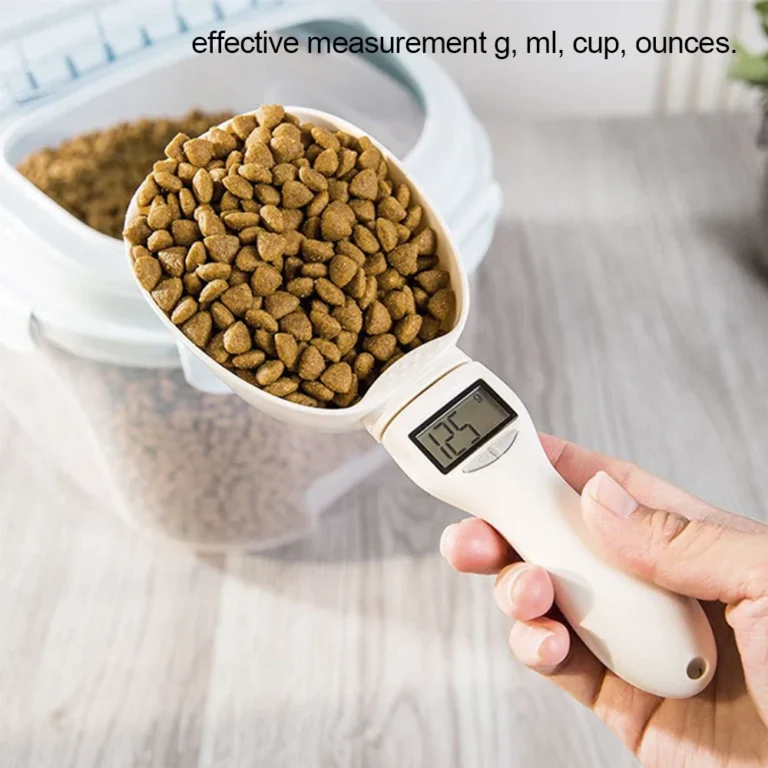
- Keep the dog lean. In a lifelong study of Labradors, the dogs fed less and kept lean lived longer and got arthritis later than their littermates. One breed, but the direction holds. Under a Shih Tzu coat you have to feel for the ribs rather than look, and weighing the food beats scooping by eye: a scoop with a built-in scale makes it a habit.
- Look after the teeth. Gum disease was the most common diagnosis in UK Shih Tzus. A sore mouth is a daily misery and a reason for anaesthetics later; a few seconds of brushing a day is the cheapest thing on this list.
- Do not skip the yearly check, and go twice a year once the dog is older. Heart murmurs in Shih Tzus were found at a median age of 11.4, usually by a vet listening, long before any sign at home.
- Watch the eyes. They are the breed’s real weak spot. Hair off the eyes, a daily look, and a vet the same day for squinting or a cloudy patch.
- Learn what normal looks like. The resting breathing rate, the weight, the appetite. Changes caught early are usually the ones that can be treated.

Brush and dog toothpaste: a few seconds a day on the teeth that cause the most trouble in the breed.
$4.85
Check Price on AliExpressWhat the numbers cannot tell you
- They describe dogs born years ago. Breeding, food and vet care change.
- They are averages. Your dog is one dog, with its own parents and its own luck.
- Most of the data is British. Dogs in other countries may do better or worse.
Bell, the Shih Tzu this site is built around, is five, so by every one of these numbers she is not yet halfway. That is the real use of a lifespan figure: not a countdown, but a reminder of how much time there is to get the ordinary things right. When the time does come to think about the end, our guide to judging an old dog’s quality of life is there.
Sources: Dale F, Brodbelt DC, West G, et al. Demography, common disorders and mortality of Shih Tzu dogs under primary veterinary care in the UK. Canine Medicine and Genetics, 2024. Teng KT, Brodbelt DC, Pegram C, Church DB, O’Neill DG. Life tables of annual life expectancy and mortality for companion dogs in the United Kingdom. Scientific Reports, 2022. This guide is general information, not veterinary advice.