

A small dog rarely gets old all at once. It takes the stairs a little slower, sleeps through the doorbell, leaves a biscuit it would once have fought for. Each change on its own looks like nothing, which is why most of them are noticed late. This guide goes through the changes one at a time: what you see at home, what it usually means, and what actually helps.
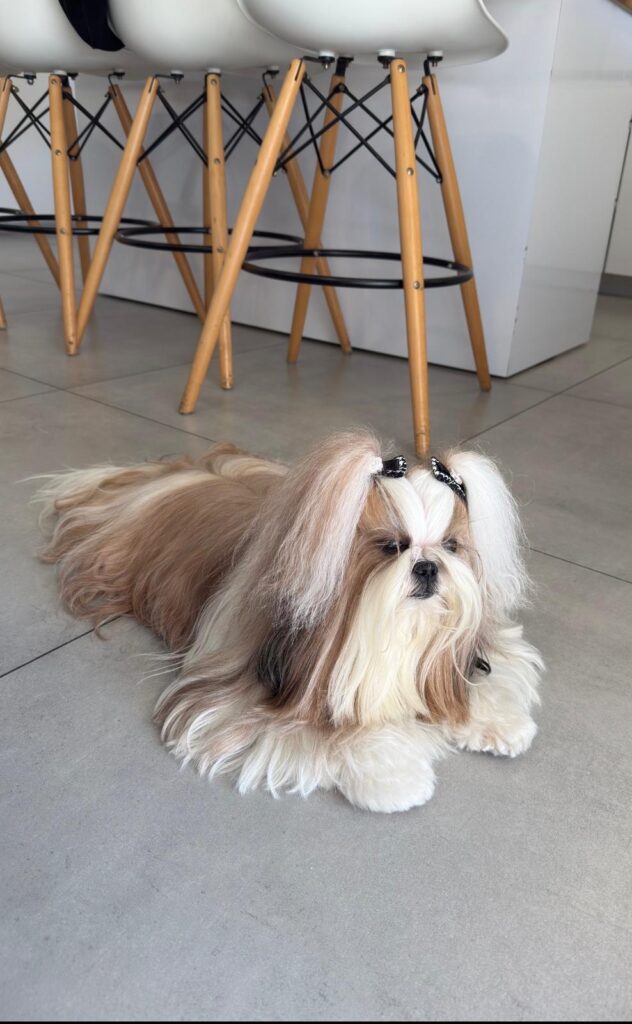
Bell, the Shih Tzu this site is built around, is five, so none of this is about her yet. It is about the years that a long-lived small breed gets, and how to make the second half of them good ones.
When a small dog counts as old
There is no fixed birthday. The American Animal Hospital Association’s life stage guidelines define a senior dog as one in the last quarter of its expected lifespan, which depends on breed and size. Small breeds live longer than large ones, so they get there later.
For a Shih Tzu, the best figure we have comes from UK vet records of more than 11,000 dogs, where the median age at death was 12.7 years (our guide to that study has the details). The last quarter of that starts at around nine or ten. Most other small, long-coated breeds are in the same range.
The practical change at that age is the vet visit. A year is a long time in an older dog’s life, and many vets suggest a check every six months from this point, with blood and urine tests when something has changed. Problems found at a routine visit are usually cheaper and easier to treat than the same problems found when the dog is already unwell.
What you notice, and what it can mean
| What you notice | What it can mean | What to do |
|---|---|---|
| Slow to get up, stiff after a nap, hesitates at stairs or the sofa | Joint pain, most often osteoarthritis | Vet visit; pain is treatable, and the dog will not complain in a way you can hear |
| Bad breath, chewing on one side, dropping food | Gum disease or a painful tooth | Dental check; a clean under anaesthetic if needed |
| Tires early on walks, coughs, breathes fast while asleep | Heart disease, common in older small dogs | Count the resting breathing rate (below) and tell your vet |
| Drinking much more, accidents indoors | Kidney disease, diabetes or a hormone problem | Vet within a few days, with a urine sample if you can catch one |
| Restless at night, staring at walls, stuck behind furniture | Cognitive dysfunction, the canine version of dementia | Vet visit; there are treatments and routines that help |
| Cloudy, blue-grey eyes | Usually normal ageing of the lens; sometimes a cataract | Ask at the next check; sooner if the dog bumps into things |
| A new lump, or one that changes | Often harmless fat; not always | Have it looked at, and note its size and date |
Joints: the change people mistake for age
“He’s just getting old” is the most common explanation for a dog that has slowed down, and often the wrong one. A large Royal Veterinary College study of UK vet records found osteoarthritis recorded in about 2.5% of dogs in a year, with being over eight one of the clear risk factors, and the authors expect the real figure is higher because many dogs are never brought in for it. A small dog can carry itself around with sore joints for a long time before anyone notices.
The signs are quiet: a pause before jumping, sitting down halfway through a walk, licking a wrist or a knee, grumbling when picked up. A vet can tell you whether it is pain and what to give for it. Never give a dog human painkillers; several common ones are toxic to dogs.
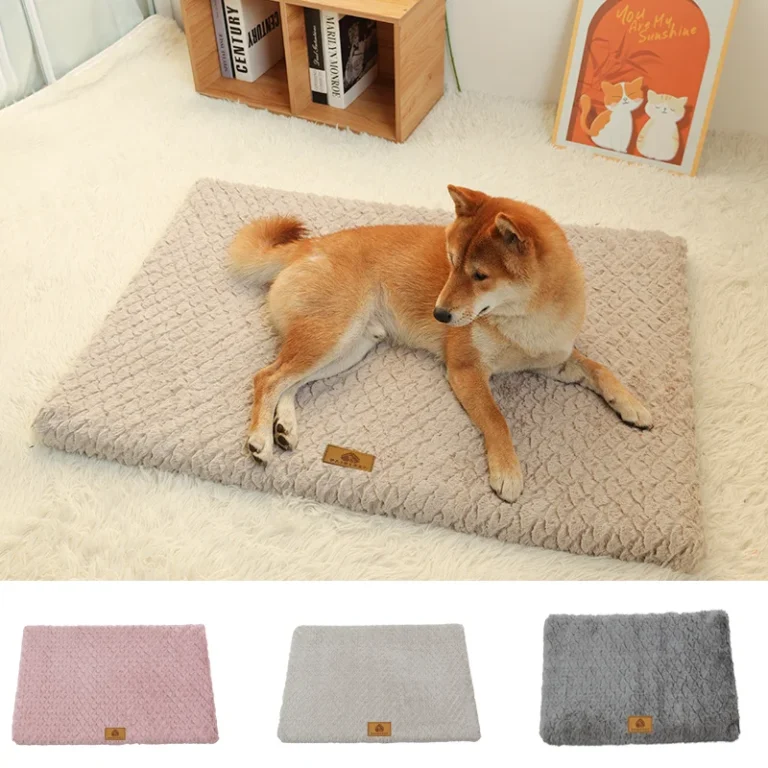
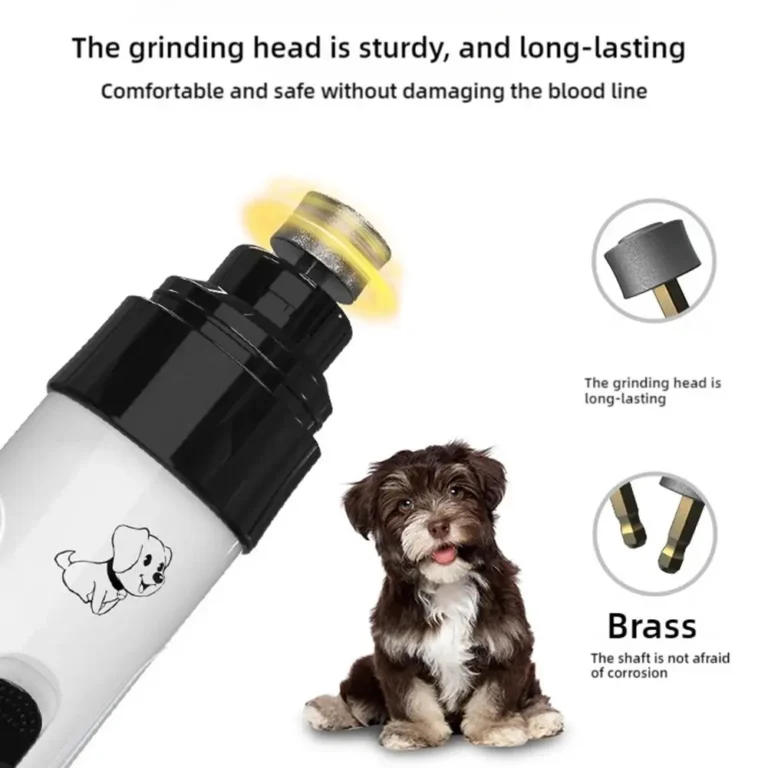
At home, three things take load off the joints. A firm, supportive bed that the dog can step into rather than climb, like a foam bed with a washable cover (our guide to choosing a bed explains what support means for a small dog). Rugs or runners on slippery floors, because a dog that slides on tiles stops wanting to walk across them. And short nails: long nails change how the foot lands and make every slippery floor worse. A quiet electric nail grinder is easier for many owners than clippers on an older dog that no longer likes its feet handled.
Firm foam a small dog steps into rather than climbs, with a cover that goes in the wash.
$6.95
Check Price on AliExpressWeight: the one thing you fully control
An older dog moves less and needs less food, and the portion that kept it lean at four will slowly make it round at ten. On a small dog, a few hundred grams is a lot. In a lifelong study of Labradors, the dogs kept lean lived a median of about two years longer than their littermates fed more, and their arthritis came later. That was one breed, but the direction holds for all of them: a lean old dog is a more comfortable old dog.
Under a long coat you cannot judge weight by looking. Feel instead: you should find the ribs easily under a thin layer, and see a waist from above when the coat is wet. Weigh a small dog every month or two; a kitchen scale and a basket work for the smallest.
Teeth: still the most common problem
Gum disease was the single most common diagnosis in the UK Shih Tzu study, and it does not stop being so in old age. A dog with sore teeth often keeps eating, just more slowly or on one side. If brushing is not already a habit, it is still worth starting: a toothbrush and dog toothpaste, a few seconds a day, building up. Brushing will not remove tartar that is already there; only a clean at the vet does that (our guide to bad breath and teeth covers why “anaesthesia-free” cleaning is not the same thing).

Brush and dog toothpaste for the few seconds a day that keep tartar from coming back.
$4.85
Check Price on AliExpressThe heart: learn one number
Heart murmurs were recorded mainly in older Shih Tzus in the UK study, at a median age of 11.4, and heart disease was among the common causes of death. Many small dogs live for years with a murmur. The useful thing an owner can do at home is count the breathing rate while the dog is fast asleep: one breath in and out counts as one, for 30 seconds, then double it.
Write it down once a week. Cardiologists commonly use 30 breaths a minute at rest as the line: a dog that is regularly above it, or whose number is climbing, needs to see the vet that week, and a dog struggling to breathe needs a vet that day.
The mind: changes that look like bad manners
A dog that wanders at night, barks at nothing, forgets a toilet routine it has known for years or gets stuck in a corner is not being difficult. An Australian survey of owners of older dogs (Salvin and colleagues, 2010) estimated that around 14% of dogs over eight showed signs of cognitive dysfunction, while fewer than 2% had been diagnosed with it. Most owners never mention it, because they assume nothing can be done.
Something can. Your vet can rule out pain, poor sight and other causes, and there are medicines and diets aimed at it. At home, keep the routine predictable, keep furniture where it has always been, and keep the brain busy in small doses: a short sniffing walk or a food puzzle is good exercise for an old dog’s mind as well as its body.
Walks: shorter, more often, and more sniffing
An old dog still needs to go out. What changes is the shape: two or three short walks at the dog’s pace instead of one long one, more stopping to sniff, and turning back before the dog is tired rather than after. Warmth matters more as muscle is lost; a coat on cold, wet days is for comfort, not fashion.
For a dog that still loves the park but cannot walk all of it, a folding dog stroller lets it ride out, walk the part it enjoys, and ride home. It is not a replacement for walking, and a dog that can manage the whole route should do it on its own feet.
When it is a vet question today
- Breathing that is fast, laboured or noisy at rest, or blue-grey gums.
- Collapse, fainting or a seizure.
- Not eating for more than a day, or repeated vomiting.
- Straining to pass urine with little or nothing coming out.
- Sudden blindness, a head tilt, or walking in circles.
- A swollen, tight belly.
Old age is not an illness, but it is when illnesses arrive. Most of what is on this page is treatable or at least manageable, and the dogs that do best are the ones whose owners noticed the small things early. When the changes stop being small, our guide to judging an old dog’s quality of life is about that harder stage.