
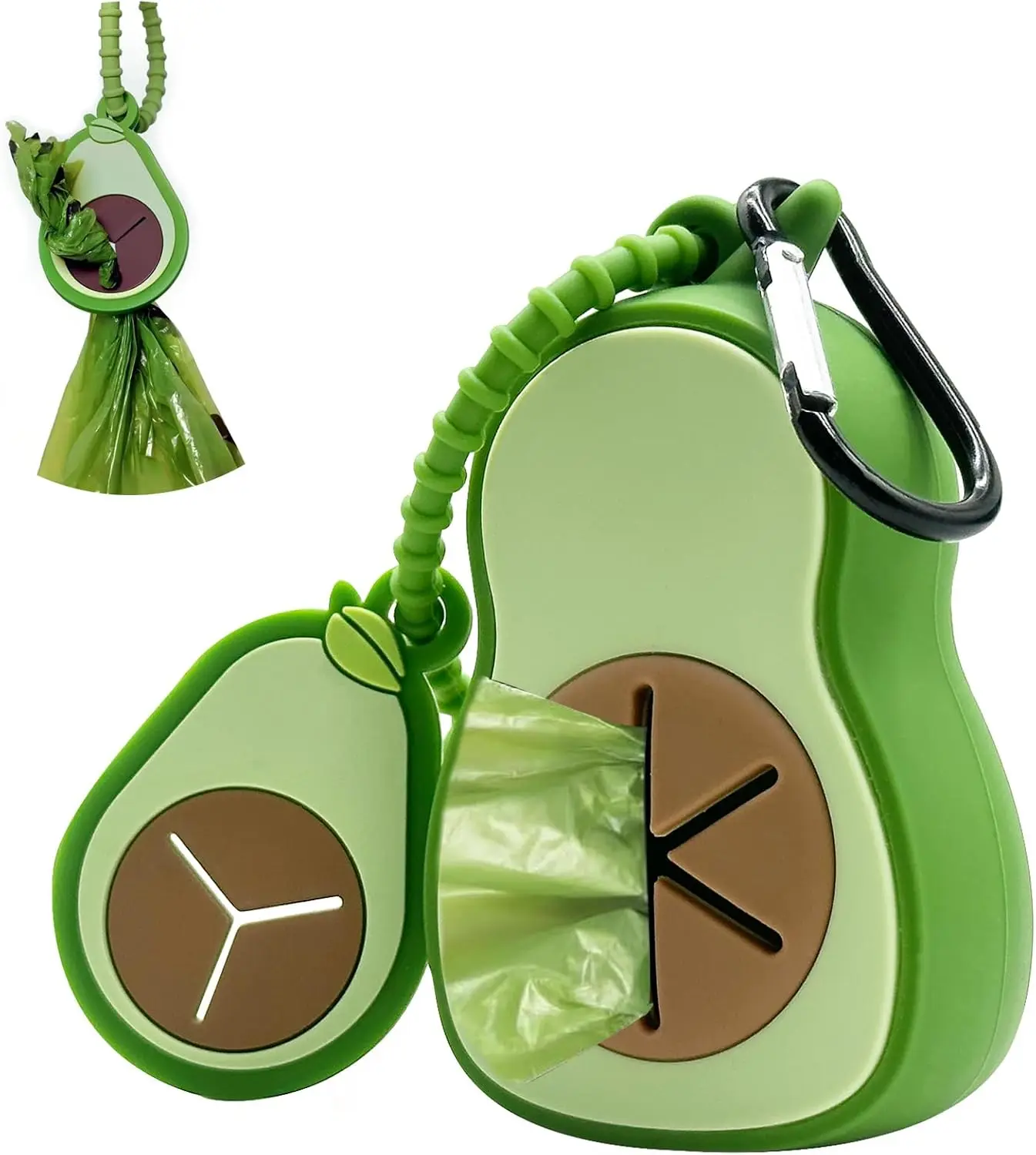
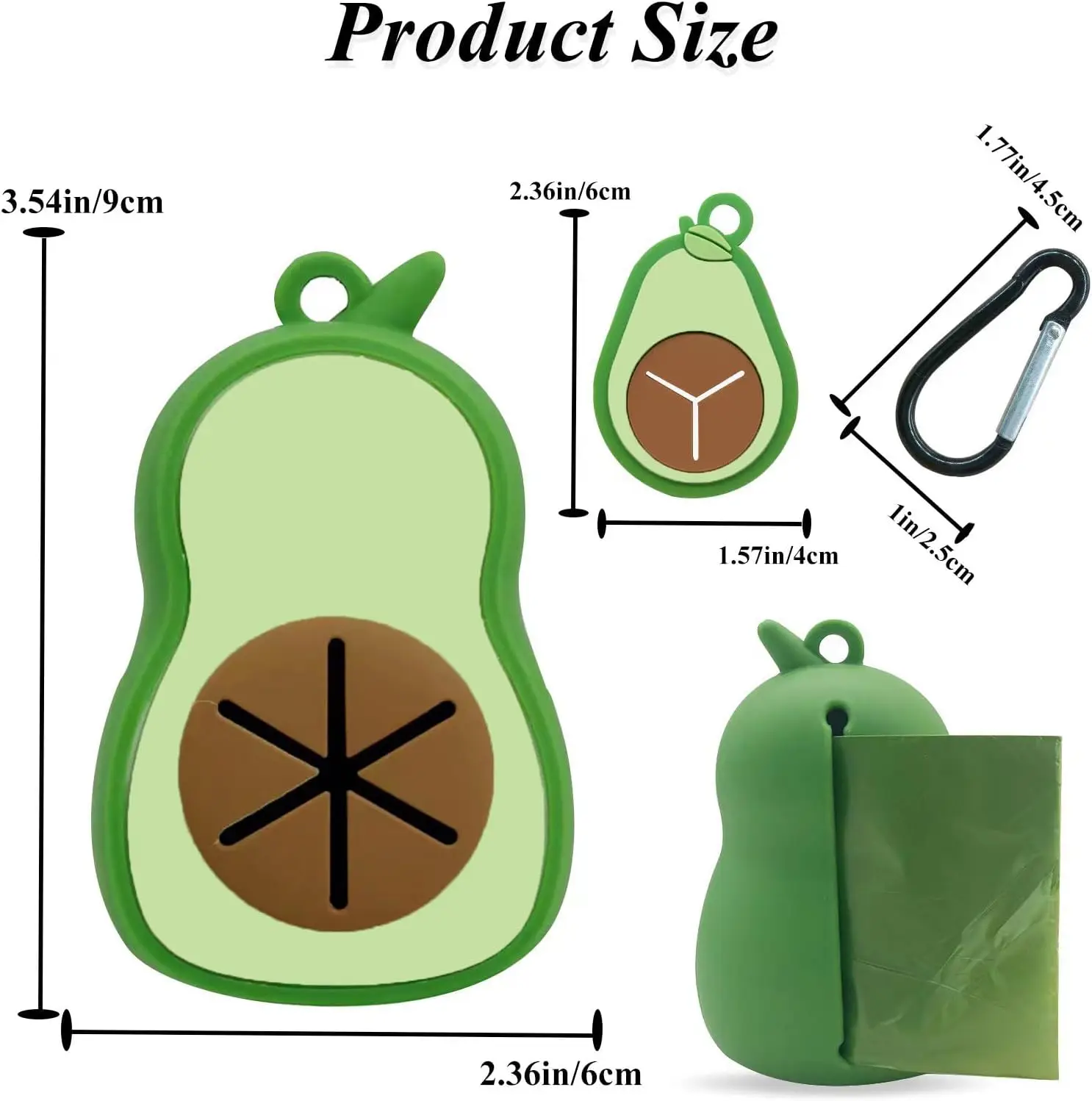
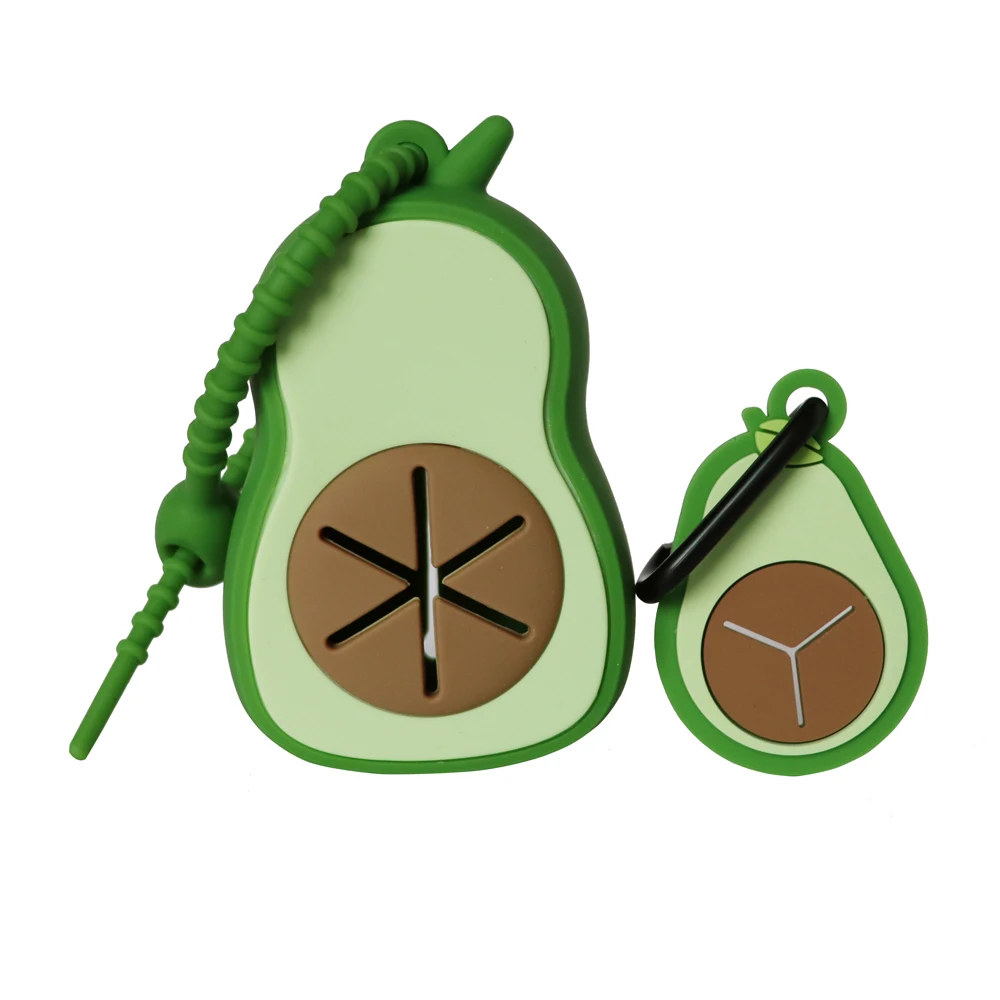
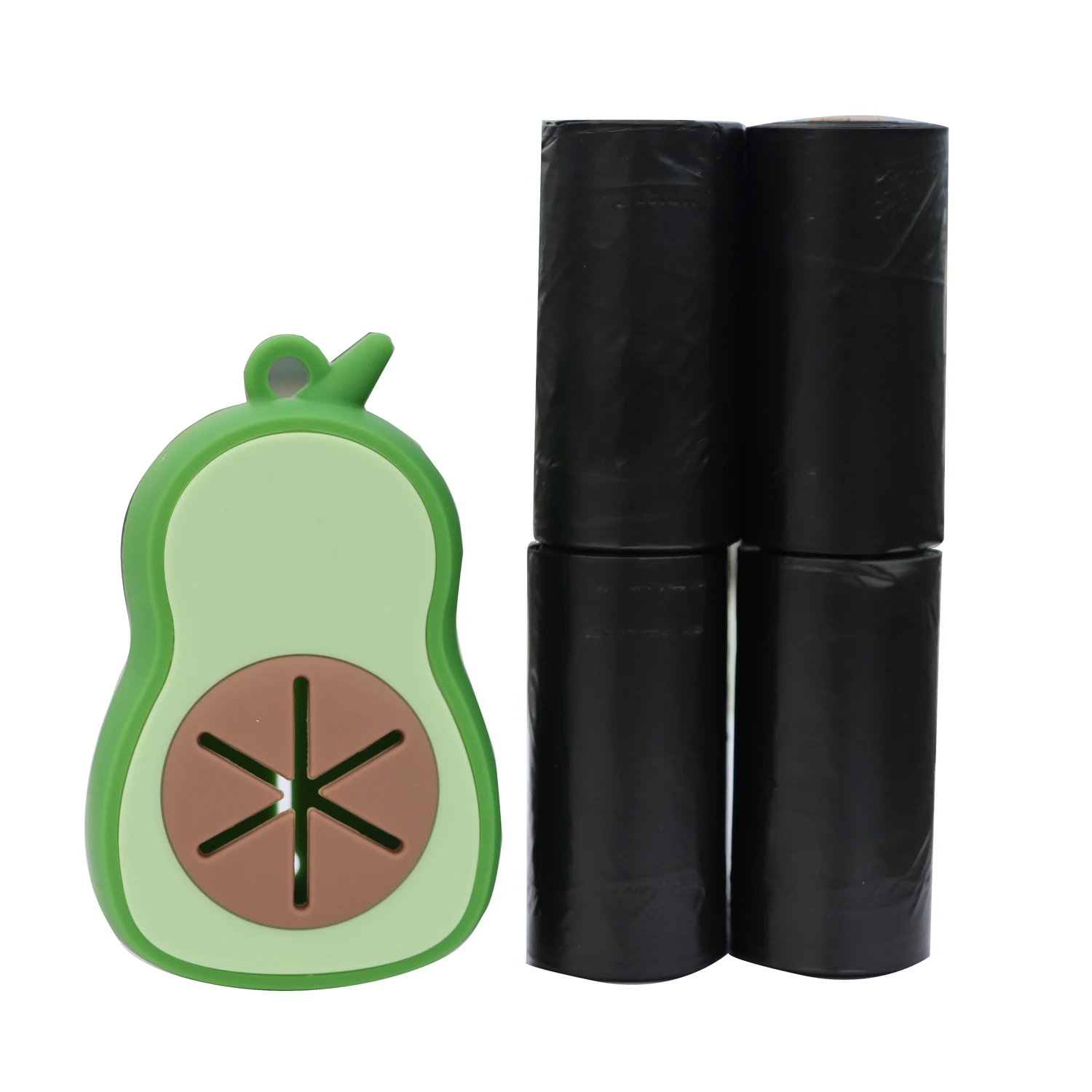
A dog produces a few hundred bags a year, and conventional ones are polyethylene that lasts centuries. Plant-starch bags are a genuine improvement, but only if you understand what “compostable” actually means, because the word is doing more work in the marketing than it does in a landfill.
Key Benefits
- Made from plant starch rather than polyethylene
- Thicker than most budget bags, so they tear less
- Break down far faster than conventional plastic in the right conditions
- No more expensive than ordinary bags in bulk
Best For
- Anyone getting through several hundred bags a year
- Households already separating waste properly
- Replacing thin bags that split
How It Works
Cornstarch-based polymers replace petroleum plastic. Under industrial composting — sustained heat, moisture and time — they break down within months rather than centuries.
Pros and Cons
Pros: A meaningful reduction in plastic for no extra cost, and they are noticeably tougher than cheap thin bags.
Cons: Here is the caveat that matters: in a sealed landfill, which is where most dog waste goes, a compostable bag breaks down barely faster than a plastic one, because landfill lacks the oxygen and heat the process needs. The environmental gain is real but much smaller than the packaging implies unless your council actually composts. They also have a shelf life — a box left in a warm shed for two years will have started degrading and will split. And never put dog waste in a home compost bin or a food waste caddy: it carries parasites that home composting does not reach.
Things to Consider
- Never compost dog waste at home; it carries parasites that survive the process
- Store the roll cool and dry and use within a year or the bags weaken
- Prices, availability and shipping times are set by the AliExpress seller and can change
Affiliate notice: LookDog may earn a commission if you purchase through this link, at no additional cost to you.

Reviews
There are no reviews yet.