



A Shih Tzu from a rescue rarely arrives as a blank page. Most come with a few years behind them, a coat someone gave up on, and teeth nobody looked at. None of that is a reason not to adopt. It is a reason to ask the right questions before you say yes, and to plan the first month around what this breed usually needs.
Before you say yes: what to ask the rescue
A good rescue will expect these questions and will tell you when the answer is “we don’t know”. That answer is fine. A rescue that is vague about everything is the one to be careful with.
- How old, really? Ages on rescue dogs are often estimates from the teeth. Ask whether it is a vet’s estimate or a guess.
- What has a vet already seen? Ask for the records: vaccinations, neutering, any treatment, and anything the vet flagged.
- Teeth. In UK vet records, dental disease is the most common problem diagnosed in Shih Tzus. Ask whether a dental has been done, or is needed, because it changes the first-year cost a great deal.
- Eyes. The breed’s prominent eyes are its weak spot. Ask about past ulcers, dry eye or ongoing drops, and look at both eyes yourself in good light: clear, shiny, the same size.
- Ears and skin. Ask about ear infections and itchy skin, both common in dogs that have not been groomed for a while.
- How does the dog cope with handling? Brushing, feet, face, being lifted. A Shih Tzu needs all of these for life, so an honest answer here matters more than “good with children”.
- Who has it lived with? Other dogs, cats, children, being left alone. Ask what the foster home has actually seen, not what the dog is assumed to be like.
The first day
Keep it boring. Bring the dog home on a lead or in a carrier, show it where water, bed and the garden or toilet spot are, and then leave it alone to look around. Visitors can wait. So can the bath, unless the coat is filthy enough to hurt.
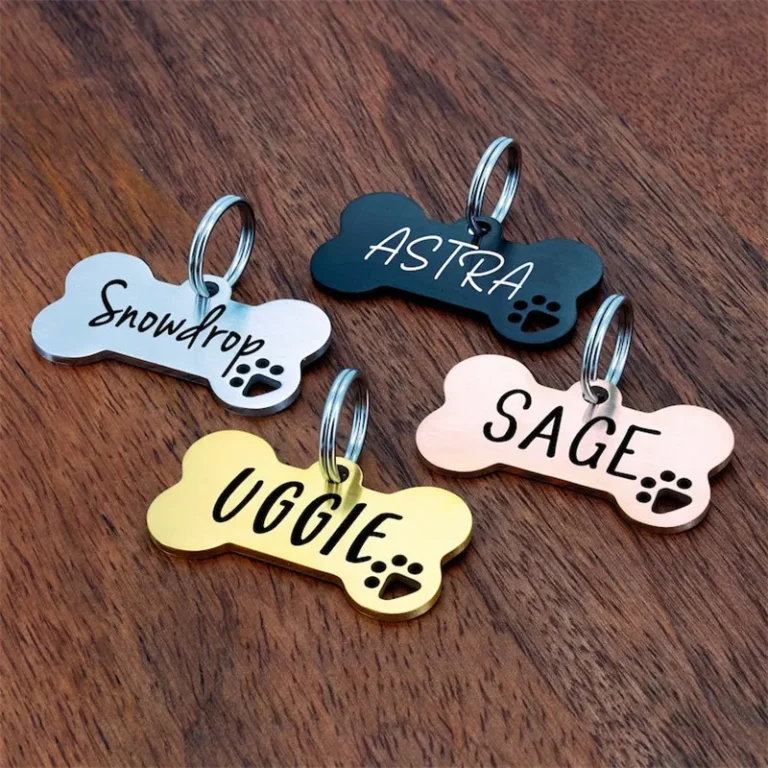
Put an ID tag with your phone number on the collar before you leave the rescue, not after. A dog in a new place does not yet know where home is, and the first few days are when doors get left open. Check the microchip details have been moved into your name.
The first weeks
Many rescue dogs are quiet at first and show more of themselves after a few weeks. A dog that was calm on day two and starts barking at the door on day twenty has not changed; it has settled in. Keep the routine the same every day, walks and meals at the same times, and introduce new people and places one at a time.
Expect some toilet accidents, even from an adult dog that was clean in its foster home. Treat it as house training from the start rather than as a setback. Our toilet training guide is written for puppies but the schedule works the same way, and this one covers getting the smell out so the dog does not go back to the same spot.
If the dog cannot be left alone without distress, start with very short absences and build up. The separation anxiety guide explains why, and when to get help.
A coat that has been neglected
Many rescue Shih Tzus arrive matted, sometimes right down to the skin. Do not try to brush out a coat like that in one go, and do not bath it first: water tightens mats. A short clip by a groomer is often the kindest start, and the coat grows back. After that, a little every day keeps it under control: a slicker brush through the coat, then a comb to check you reached the skin. A dematting comb helps with small knots, never with a coat that is matted all over.
Where mats start, and what stops them is worth reading in the first week.
The first vet visit
Book one in the first couple of weeks, even if the rescue has done a check. Ask the vet to look at the teeth, eyes, ears and skin, to weigh the dog, and to tell you which problems need dealing with now and which can wait. Take the rescue’s records with you.
For what the breed is prone to, and how often, see what 11,000 UK vet records show about Shih Tzus.
What the first year costs, beyond the adoption fee
- Grooming: a full groom every few weeks, or tools and time to do it yourself.
- A dental: often the biggest single bill in the first year for an older Shih Tzu.
- Eye care: some dogs need drops for life.
- Insurance: check what is excluded as pre-existing before you rely on it.
None of these is unusual for the breed. The point is to know about them before the dog comes home, so the rescue dog gets a home that can afford to keep it.
See a vet the same day if
- An eye is suddenly cloudy, red, held shut or the dog is pawing at it.
- The dog stops eating for more than a day, or vomits repeatedly.
- There is blood in the urine or stool, or the dog strains without passing anything.
- Breathing is noisy and laboured at rest.