


Walk down any pet shop aisle and most of the joint supplements on it are built around glucosamine and chondroitin. The research on dogs points somewhere else. This guide sorts the supplements by what the evidence actually says, then covers the things that help a stiff dog more than any tub of chews.
First: is it actually the joints?
Arthritis in a small dog is quiet. A pause before jumping on the sofa, getting up slowly after a nap, sitting down halfway through a walk, licking a wrist or a knee, a grumble when picked up. Those are the usual signs, and they are worth a vet visit before anything is bought, because a supplement can hide a problem that needs treating.
See a vet within a day or two if:
- a leg is held up, or the limp came on suddenly;
- a joint is swollen or hot, or the dog cries when it is touched;
- the dog is young. Small breeds have their own joint problems, like a kneecap that slips out of place, and these are not old age;
- the stiffness comes with other changes: eating less, drinking more, losing weight, panting at rest.
Never give a dog a human painkiller to tide it over. Ibuprofen and naproxen are toxic to dogs even in small amounts, and anything else needs a dose worked out by a vet.
What the research says, supplement by supplement
In 2022 a team at the University of Montreal pooled every controlled trial they could find on diets and supplements for arthritis pain in dogs and cats. Their results, together with an earlier review from 2012, give a fairly clear order:
| Supplement | Evidence that it eases pain in dogs | Worth knowing |
|---|---|---|
| Omega-3 (EPA and DHA, from fish oil) | The strongest of any supplement. Both omega-3 supplements and diets enriched with omega-3 showed a clear effect. | The dose that matters is EPA plus DHA, not the weight of fish oil. It adds calories and can loosen stools at first. |
| Green-lipped mussel | Some, from fewer and smaller trials. | Part of what it offers is its own omega-3. Check what else is in the product. |
| Undenatured collagen (UC-II) | Weak. | A small daily dose; trials are few and mostly short. |
| Cannabidiol (CBD) | Some, less than omega-3. | In the UK it counts as a veterinary medicine, so only a vet can prescribe it for a dog. Shop products vary widely in what they contain. |
| Glucosamine and chondroitin | None for pain. The 2022 review found a clear lack of effect. | Its authors recommend that these stop being recommended for arthritis pain in dogs and cats. |
| Turmeric | Very little in dogs. | Mostly marketing so far. |
Put plainly: the most popular joint supplement is the one with the least evidence behind it. If you are going to buy one, omega-3 is the one the research supports.
What none of them can do is rebuild a worn joint. The best result in these trials is a dog in less pain, which shows up as easier walking and getting up. That is worth having, but a supplement is not a cure, and it is not a replacement for pain relief when the dog needs it.
What helps more than any supplement
Weight. This is the one with the biggest effect, and it costs nothing. In a 2010 study of overweight dogs with arthritis, lameness improved once they had lost about 6% of their body weight. On a 6 kg dog that is less than 400 grams. For a small dog a few treats a day can be the difference, and our guide to the older small dog explains how to tell whether yours is carrying extra.
Proper pain relief. Vets have licensed anti-inflammatory medicines for dogs, and a newer monthly injection made for arthritis pain. A dog whose pain is controlled moves more, keeps its muscle and stays lighter, which helps the joints in turn. Supplements, if you use them, go alongside this, and your vet should know about everything the dog is taking.
Little and often. Two or three short walks a day are kinder to sore joints than one long walk at the weekend. Let the dog sniff and set the pace. Steady movement keeps joints working; sudden bursts, jumping off furniture and long stair climbs are what hurt.
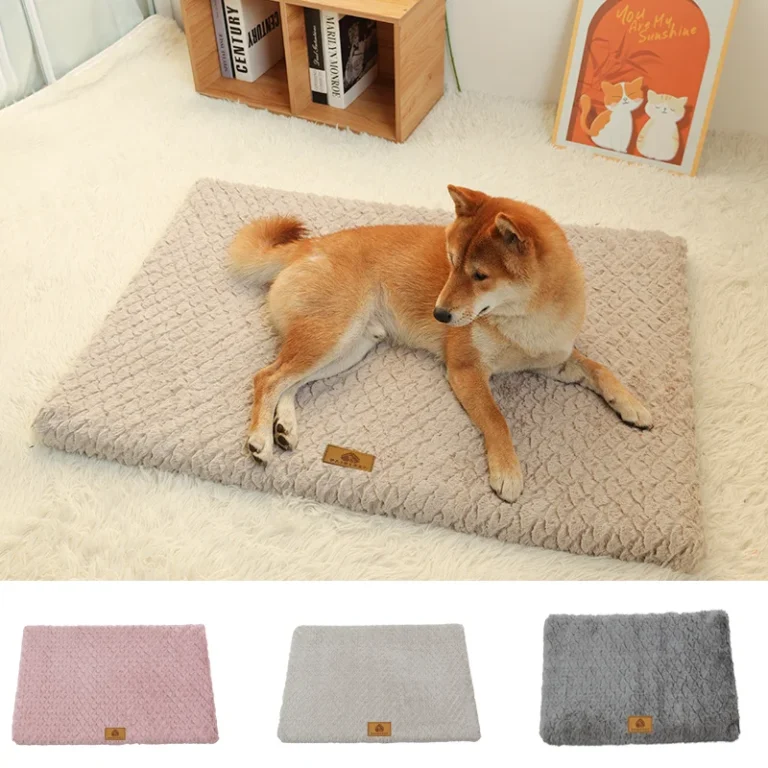
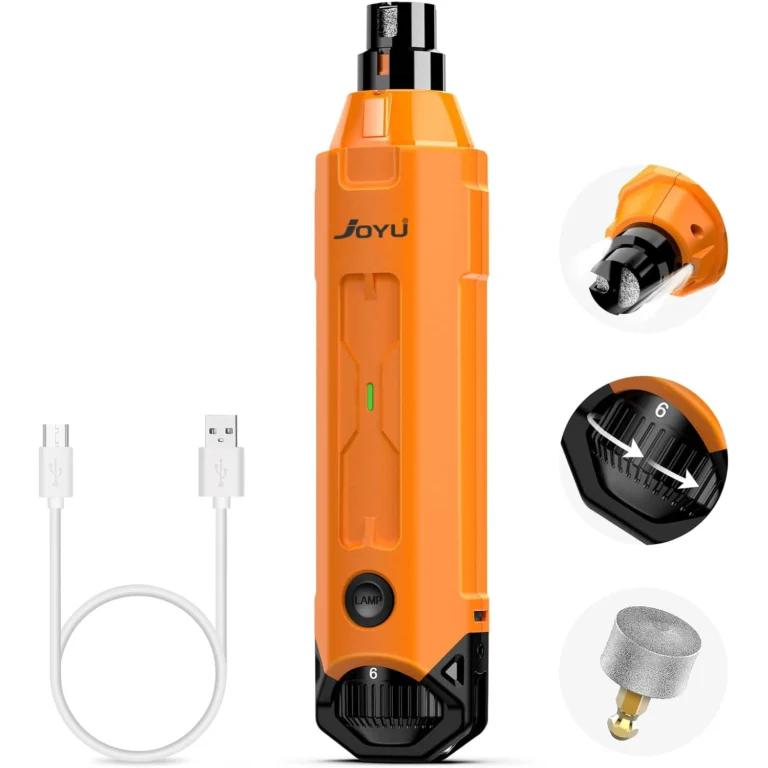
The home. Three changes take load off the joints every day. A firm bed the dog steps into rather than climbs (our guide to choosing a bed explains what support means for a small dog). Grip on slippery floors: rugs and runners on the routes the dog uses, or grip socks for a dog that slides on tiles. And short nails, because long nails change how the foot lands. A quiet nail grinder is easier than clippers on an older dog that no longer likes its feet handled.
Firm foam a small dog steps into rather than climbs, with a cover that goes in the wash.
$6.95
Check Price on AliExpressIf you buy one: reading the label
- Look for the EPA and DHA in milligrams per dose. A label that only says “1000 mg fish oil” does not tell you how much omega-3 the dog gets. Ask your vet for a dose by your dog’s weight; for a small dog it is often less than one capsule.
- Buy a product made for dogs. Human gummies and some human supplements are sweetened with xylitol, which is poisonous to dogs.
- Look for a quality mark. Supplements are not checked like medicines. In the US the NASC Quality Seal shows a maker is audited; elsewhere, a vet’s recommendation is the safest guide.
- Give it time, then judge it. Allow at least six weeks. Judge it by things you can see, like how the dog gets up from the bed or how far it walks, and write them down before you start.
- Start slowly. Half the dose for the first week avoids most of the loose stools fish oil can cause.
In one paragraph
Get stiffness checked by a vet first. If you add a supplement, choose omega-3 and read the EPA and DHA on the label; skip glucosamine and chondroitin for pain. Then do the things that help most: keep the dog lean, ask about real pain relief, walk little and often, and fix the floors, the bed and the nails.
Sources: Barbeau-Grégoire and colleagues, International Journal of Molecular Sciences, 2022 (review of diets and supplements for arthritis pain in dogs and cats); Vandeweerd and colleagues, Journal of Veterinary Internal Medicine, 2012; Marshall and colleagues, Veterinary Research Communications, 2010 (weight loss and lameness). This guide is general information, not a diagnosis; your vet knows your dog.