
Most puppy checklists are shopping lists with a paragraph on top. They run to thirty items because thirty items sells better than nine, and they present everything as equally urgent, which is how people end up with a crate the dog outgrows by Christmas and a grooming kit still in its box in spring.
This is the same six months arranged by when things actually become useful. A few things you want before the puppy arrives. Most of it you do not need yet. And a handful of items on the standard list you will never need at all, including some we could sell you.
Before the Puppy Arrives
Four things, and none of them are toys.
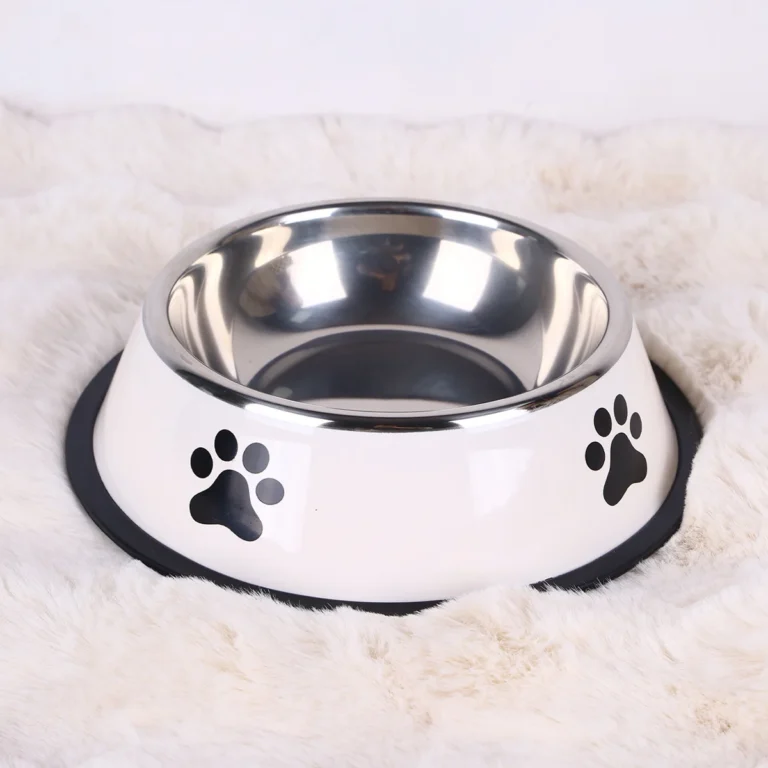
Two bowls, stainless steel, small. Steel does not scratch, does not hold smells and can be properly sterilised. Plastic scratches within weeks and scratched plastic is where bacteria live; it is also the usual suspect behind the spotty chin some young dogs develop. A plain steel bowl is one of the few things on this page you buy once and never replace, so buy the adult size now — a puppy can eat out of a big bowl, but not the reverse.
Whatever food the breeder or rescue was using. Changing home and changing diet on the same day is how a first week becomes a first week of diarrhoea. Get a bag of what they were eating, then change it gradually over a week or two if you want to.
A collar and an engraved tag. In the UK a dog in a public place must wear a collar carrying the owner’s name and address — that is the Control of Dogs Order, not a suggestion. Microchipping is compulsory from eight weeks old, and the chip is the part that actually reunites lost dogs, so check the register details are yours and current before anything else.
Something soft to sleep on that you will not mind throwing away. Not the good bed. See below.
Weeks 8 to 12: Sleeping and Toileting, and Very Little Else
A puppy this age sleeps between eighteen and twenty hours a day. Almost every problem people describe in the first month — the frantic biting, the wall-of-sound barking at seven in the evening — is an overtired puppy who has been kept awake by a household that finds it adorable. Sleep is the intervention, and it costs nothing.
Do not buy the proper bed yet. A washable mat and a couple of blankets will get chewed, weed on and outgrown, in that order. Buy the bed that suits the adult dog once you know what shape of sleeper you have — a dog that curls into a ball wants raised sides, a dog that sprawls on its side wants a flat rectangle, and you cannot tell at ten weeks. Choosing a Dog Bed covers how to measure once you can.
Toileting is a timetable, not a product. Out after every sleep, every meal, every play session, and roughly every hour in between while awake. Clean accidents with an enzyme cleaner; anything ammonia-based smells like urine to a dog and marks the spot as a toilet.
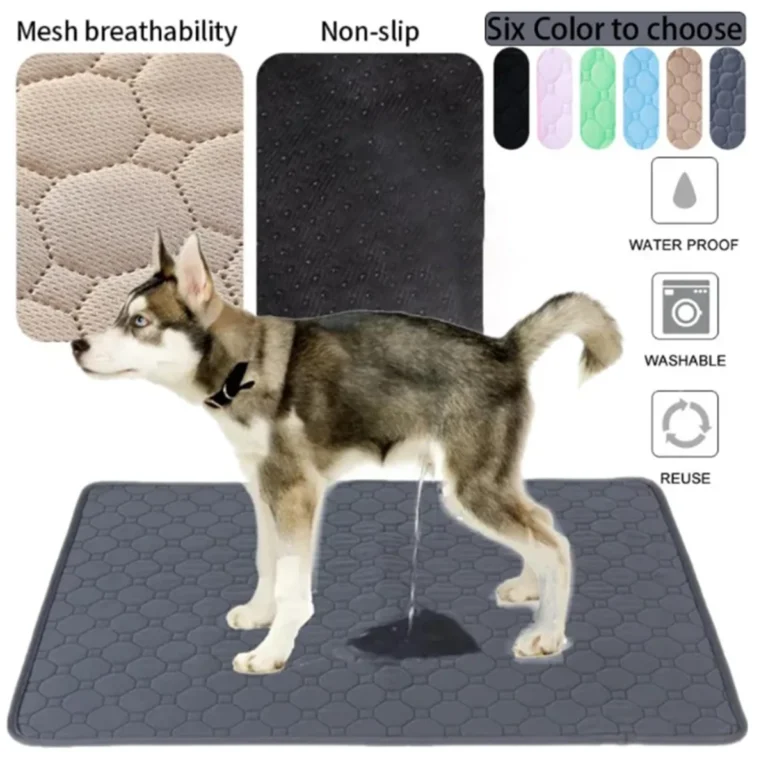
Pads are worth being honest about. They help in a flat, at night, or with a puppy who cannot go out yet, and washable ones cost less over a few months than disposables and cannot be shredded across the hall. But every pad teaches a puppy that indoors is sometimes acceptable, which is a lesson you later have to undo. Use them where you need them and stop early rather than late.
Feeding is three or four small meals a day at this age, dropping to two by around six months. Most young puppies do not need a slow feeder; they need one only if they inhale a meal in under a minute, and you will know. What Small Dogs and Big Dogs Can Eat covers portions, treats and the foods that are genuinely dangerous.
Weeks 12 to 24: Teething, and the Biting That Comes With It
Adult teeth start pushing through at around twelve weeks and the last of them arrive somewhere near six months. The gums hurt, and a puppy relieves that the only way it can, which is by putting everything in its mouth including your hands. This is not aggression and it is not a training failure. It is a symptom with an end date.
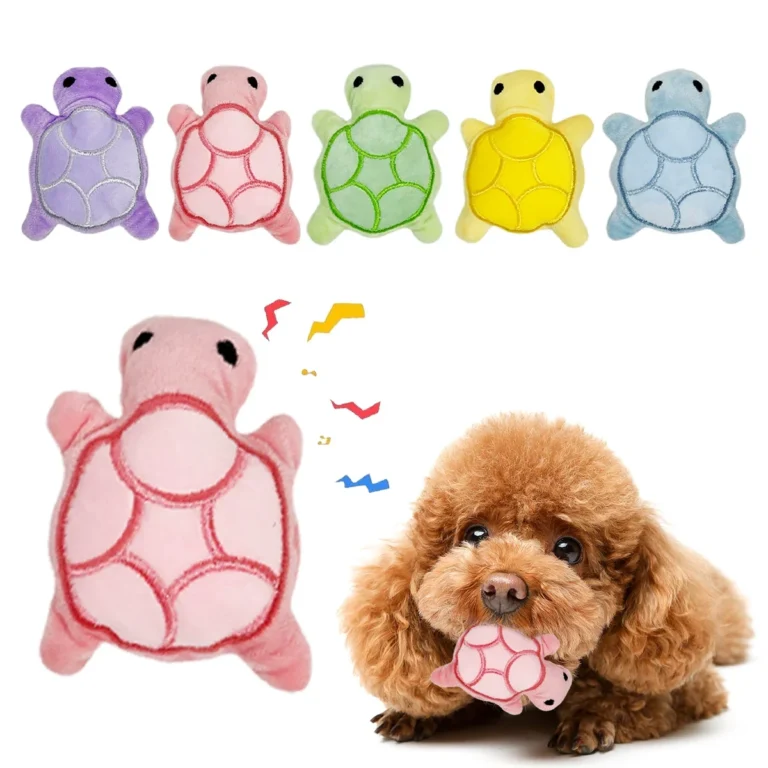
What helps is something that gives. Soft rubber, cotton rope, or a damp flannel twisted and frozen for twenty minutes — the cold does more than the texture. A soft teething toy works because a puppy can actually compress it; a hard nylon bone or an antler cannot be compressed by anything, which is why they chip puppy teeth. Save those for an adult dog, if at all.
Two rules from the play guide apply from day one and never stop applying: nothing small enough to swallow, and no toy is safe with an unsupervised dog for a whole afternoon. Safe Play for Dogs sets out the sizing and what to throw away.
The one thing worth saying plainly: nothing sold to stop a puppy biting works. Not the sprays, not the bitter gels, not the deterrent devices. Redirection onto something legal, and enough sleep, is the whole of it.
The Same Months: Teaching a Puppy to Be Handled
Grooming a twelve-week-old puppy is not about the coat. There is barely a coat. It is about making paws, ears and mouth ordinary places to be touched, so that at three years old a nail trim is a two-minute job rather than a wrestling match with a muzzle.
Do it daily, for a minute, for nothing. Hold a paw and let go. Look in an ear. Lift a lip. A rubber glove or a soft brush over the whole body matters less than the routine around it, which is why the cheapest tool on the grooming page is the right one at this age.
Nails: a sliver weekly beats a lot monthly. The quick, the blood vessel inside the nail, retreats as the nail is kept short and advances when it is not, so frequent small trims are both safer and less frightening. Cutting the quick is the most common home-grooming injury there is, and one bad experience at four months buys years of a dog who will not give you a foot.
Teeth: start now, with a finger brush. A puppy who has always had a brush in its mouth does not fight one later. Never human toothpaste — fluoride, and often xylitol, which is toxic to dogs. Dog Grooming at Home matches tools to coat types for when there is a coat to match.
Weeks 16 to 24: Actually Going Outside
Walks wait on the vaccination schedule, which your vet sets, not the internet. Before that, carrying a puppy through a town for ten minutes is worth more than any toy you will buy: engines, buses, bins, umbrellas, men in hats, children at speed. Socialisation is a window, not a task, and it closes around sixteen weeks.
Once walking, use a harness rather than a collar for the lead. A puppy that lunges against a collar is putting all of that into its neck, and a growing one does it several times a walk. A harness with a front clip also turns a pull into a turn towards you, which is what makes loose-lead training possible at all.
Recall is built in these weeks or repaired for years afterwards, and it is built on a long line in an open space rather than by letting a puppy off and hoping. Three to five metres is enough to let a puppy make its own decisions while you still have a say in the outcome.
What You Will Replace, and How to Spend Less Doing It
| Item | Outgrown when | What to do about it |
|---|---|---|
| Crate | Four to eight months | Buy the adult size with a divider panel, once |
| Collar | Two or three times in the first year | Cheap and adjustable; check the two-finger fit weekly |
| Harness | Two or three times in the first year | Cheap now, a good one at around a year old |
| Bed | Once, and probably ruined before that | A washable mat until you know how the dog sleeps |
| Bowls | Never, if they are steel | Buy adult-sized on day one |
| Toys | Continuously | Rotate four at a time rather than owning twenty |
The pattern is not complicated: buy adult-sized where size does not matter to a puppy, and buy cheap where it does.
Sold for Puppies, Safe to Skip
Starter bundles. A twelve-piece puppy kit is usually four things you want at the wrong size and eight you do not. The saving is real and the fit is not.
Teething gels and sprays. Mostly untested, occasionally containing things you would not want a puppy swallowing repeatedly. Cold and texture do the same job.
Anything promising to stop biting, barking or chewing. All three are developmental at this age. A device aimed at a symptom with an end date is a device you will own for longer than the problem.
A second bed “so they have one upstairs”. Wait until the dog tells you where it sleeps. It will.
When It Is a Vet Question, Not a Shopping Question
Puppies dehydrate quickly and have very little in reserve. Diarrhoea lasting more than about a day, repeated vomiting, refusing food for a whole day, unusual lethargy, a persistent cough, or a swollen and painful belly are all vet calls rather than things to manage at home. So is a limp that does not resolve overnight in a fast-growing large breed.
Nothing on this site treats any of that, and any product that implies otherwise is worth walking away from.
The Short Version
Before arrival: steel bowls, the breeder’s food, a collar and tag, something disposable to sleep on. First month: sleep and a toilet timetable. Second and third months: something soft to chew, and a minute a day of handling paws and mouth. Fourth to sixth: a harness, a long line, and every unfamiliar sight you can find before the window shuts.
The puppy section lists what we stock against this timeline. It is deliberately short. The first six months need less equipment than the internet suggests and more of your time than any of it can replace.