

A puppy that bites hands, ankles and sleeves is not a puppy with a problem. It is a puppy. Mouths are how they play, explore and test the world, and their littermates have spent weeks teaching them that rough play with teeth is what fun looks like. You are not going to stop the mouthing. What you can change is where those teeth land, how hard, and how often, and that is a much more winnable fight.
The argument of this guide is simple: most puppy biting gets worse because of something people do in response to it, not because the puppy is stubborn. Change the response and the biting usually changes with it.
Three things that make it worse
An overtired puppy. This is the one most owners miss. Young puppies need far more sleep than people expect, and a puppy that has been up and busy for too long does not slow down: it gets wilder. The evening “crocodile hour”, when your puppy suddenly launches at everything with teeth, is very often a puppy that needed a nap an hour ago. The RSPCA’s own puppy advice names overtiredness as a reason mouthing escalates.
Hands used as toys. Wrestling with a puppy, wiggling fingers at it, or letting it chew your hand “because it doesn’t hurt yet” teaches it that skin is a play object. It will not hurt yet at nine weeks. It will at five months.
A big reaction. Shouting, squealing, flapping your hands or snatching them away all make you more interesting. To a puppy, a hand that jerks away is exactly how prey moves. The RSPCA warns that shouting is likely to raise a puppy’s excitement and can turn biting into a game.
What actually works
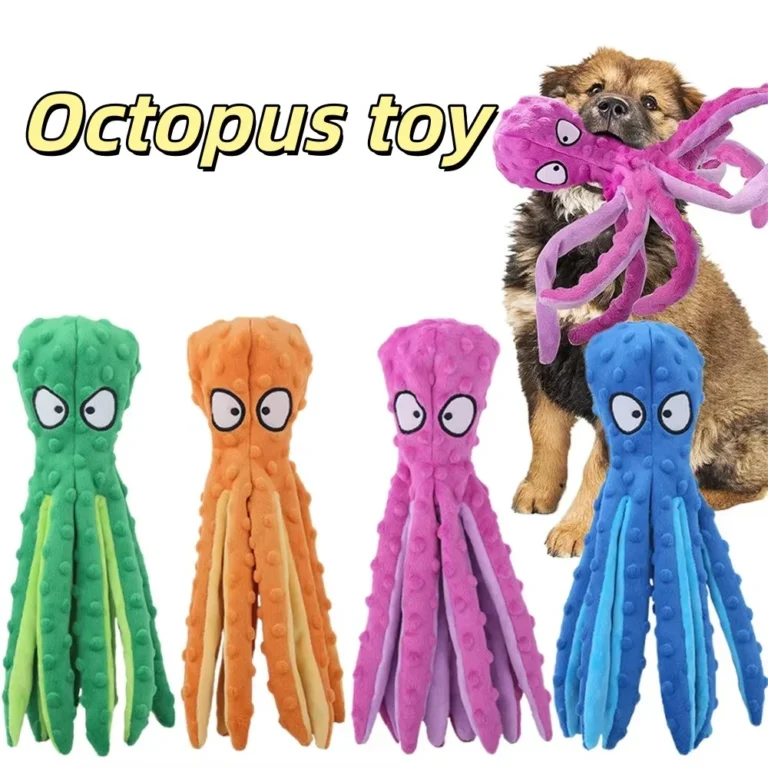
- Put a toy in first. Do not wait for the teeth to land on you. When you sit down to play or the puppy starts to get bouncy, a toy should already be in your hand. Long toys are better than small ones because they keep fingers out of range: an octopus toy with long legs gives a puppy plenty to grab while your hand stays at the far end.
- When teeth meet skin, go still and go quiet. Stop moving, let your hand go limp, and end the game for a few seconds. No telling off. The lesson is that teeth on people make the fun stop, every single time.
- If it carries on, step away briefly. Stand up and turn away, or step over a baby gate, for half a minute. Then come back and offer the toy again. Calm and boring works; angry and dramatic does not.
- Protect the naps. Put the puppy somewhere quiet to sleep after play, meals and walks, before the wild phase starts. A puppy pen or a covered crate in a calm corner helps. Many “biting problems” disappear when the day has more sleep in it.
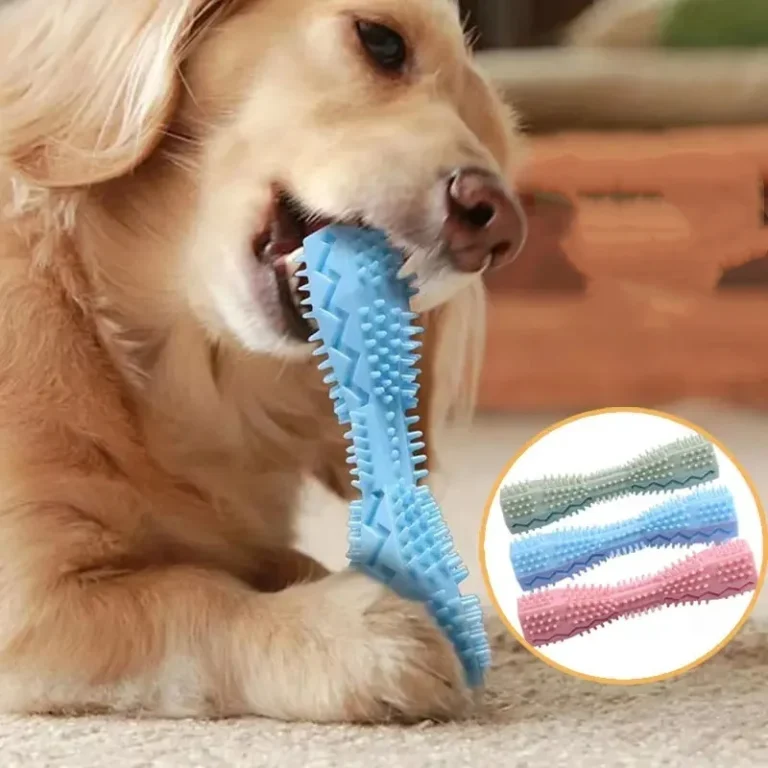
- Give them a legal chew to settle with. A chew in their bed, especially one they can work at for a while like a chew stick with a treat cavity, gives the mouth something to do while the puppy winds down.
Expect this to take weeks, not days, and to get worse on days the routine slips. Consistency from everyone in the house matters more than any single technique: one person who still wrestles keeps the game alive for all of you.
Advice that backfires
- Hitting, tapping the nose, or holding the mouth shut. It either becomes part of the game or teaches the puppy that hands coming towards its face are a threat. Neither is a lesson you want a dog to learn.
- Yelping like a littermate. Some puppies do stop. Plenty get more excited, because now you are squeaking. If it winds yours up, drop it and go still instead.
- Pushing the puppy away. Pushing is what puppies do to each other in play. You have just joined in.
- Letting the children run. A child who squeals and runs is the most exciting thing in the house. Puppies and children need an adult in the room, and children should stand still and fold their arms if the puppy starts nipping.
Is it teething or play?
Often both. Play biting starts the moment a puppy comes home. Teething comes later: adult teeth start replacing the baby teeth at around three to four months and the full set of 42 is usually in by seven or eight months. During those months the gums are sore, the urge to chew goes up, and you may find tiny teeth on the floor or a spot of blood on a toy. Both are normal. Most baby teeth are simply swallowed.
A teething puppy needs things it is allowed to chew, and the right ones are firm but with a little give, never hard enough to crack a tooth. Our chewing guide covers how to choose them, including the thumbnail test and why cold helps.
Small breeds: check for baby teeth that stay
In small and toy breeds, baby teeth sometimes fail to fall out when the adult tooth comes through behind them. It is most common with the long pointed canine teeth, especially the upper ones. You will see two teeth crammed into the space for one. A retained baby tooth traps food, pushes the adult tooth out of line and raises the risk of gum disease later.
Lift the lip and look at around six months. If you see doubled teeth, or any baby tooth still there at seven or eight months, show your vet. The usual answer is to remove the baby tooth once the adult one is coming through, and many vets will do it under the same anaesthetic as neutering if that is planned. Dental trouble is one of the most common problems in Shih Tzus in UK vet records, as our Shih Tzu health guide sets out, so a good start matters.
When it is not normal puppy biting
- The puppy goes stiff or freezes before biting, rather than bouncing
- Growling or snapping over food, toys or a resting place
- Biting mainly when touched in one particular spot, which can mean pain
- Hard, frequent biting that is still not easing by around six months, despite a steady routine
Any of these is worth a vet check first, then a qualified behaviourist if the vet finds nothing. For everything else a puppy needs in its first months, and when, see our puppy guide.