
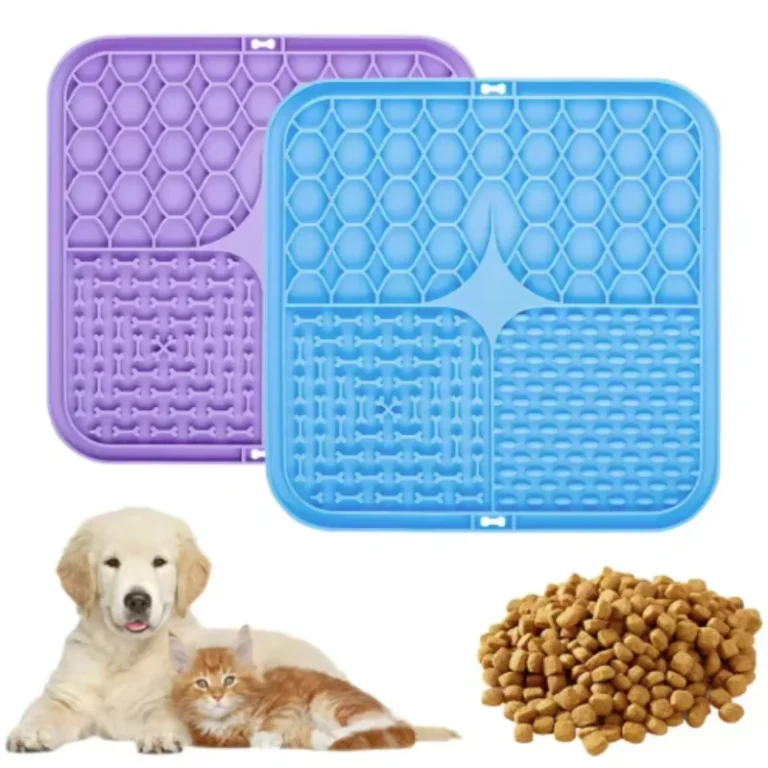
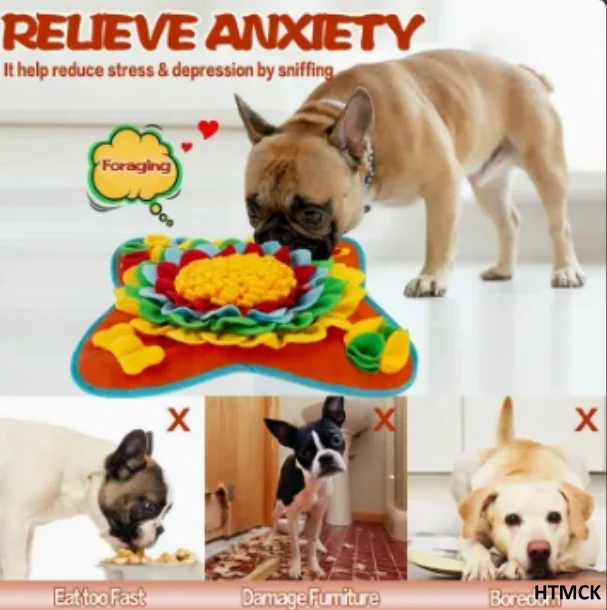
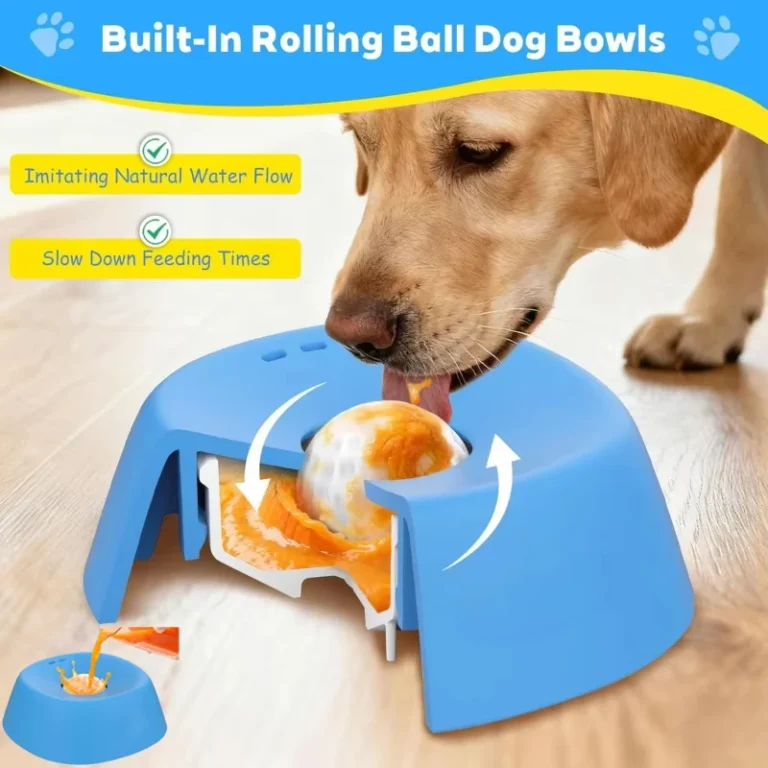
A lick mat or a snuffle mat is only as good as what goes on it. Fill it with the wrong thing and it is a choking risk, a stomach upset or, with one common ingredient, a poisoning. Fill it with too much and a small dog quietly gains weight. Fill it well and you get twenty calm minutes, a slower eater, and a useful tool for nail trims, baths and evenings when the fireworks start. This is what goes on, what never does, and how much is enough for a small dog.
If you have not chosen a mat yet, our slow feeder comparison goes through the types and what each one is good for.
Lick mat fillings that work
A lick mat needs something soft enough to spread into the grooves and sticky enough to stay there.
- Your dog’s own wet food. The simplest and safest, and it counts as part of a meal rather than extra.
- Plain natural yoghurt, unsweetened, with nothing added. Small amounts; some dogs do not tolerate dairy well.
- Plain cooked pumpkin or sweet potato, mashed, with no sugar, spice or butter.
- Mashed banana, a thin layer. It is sweet, so it is a treat rather than a base.
- Peanut butter, only after checking the label. Plain, unsalted, and with no xylitol (sometimes listed as birch sugar). A thin smear, not a layer: it is very high in calories.
- Soaked kibble. A few pieces of the dog’s normal food soaked in warm water until soft, then mashed.
Freeze the filled mat for an hour or two and it lasts much longer. A silicone lick mat with a suction base stays put on the floor or the bath tile, which is what makes it useful during grooming.
Snuffle mat fillings that work
A snuffle mat needs dry pieces the dog can find by smell and pick out of the fabric. Wet food just makes it dirty.
- Part of the dog’s dry food. The best everyday option. Take it out of the day’s ration, so it is a slower meal, not an extra one.
- Small, dry training treats, broken up for a small dog.
- Small pieces of plain cooked chicken, dried a little in a low oven so they do not smear.
Scatter it, then rub it into the fibres so the dog has to search. Start easy for a dog new to it, with pieces on top; a dog that gives up in the first minute learns that the mat is boring. A foraging snuffle mat with several textures gives a small dog plenty to work at.
Never on a mat
- Anything with xylitol, which is in some peanut butters, sugar-free yoghurts and other “no added sugar” products. It is dangerous to dogs in very small amounts.
- Grapes, raisins and sultanas, including anything baked with them.
- Chocolate and anything with cocoa.
- Onion and garlic, including the powders in stock cubes, gravy and many ready meals.
- Macadamia nuts.
- Cooked bones and fatty scraps, which splinter or upset the stomach.
Our feeding guide has the full list of what is never safe, and why small dogs are at more risk from the same amount.
How much is enough for a small dog
The usual vet guidance is that treats and extras should stay under about a tenth of a dog’s daily calories. For a dog of five to eight kilos, that is not much: a heaped teaspoon of peanut butter alone can use most of it. Two habits keep it honest. Use the dog’s own food as the base whenever you can, and take mat food out of the day’s meals rather than adding it on top. Weigh the food rather than scooping; small dogs gain weight on very small daily surpluses.
Cleaning, and when to throw a mat away
- Wash lick mats after every use, with hot soapy water and a brush into the grooves; leftover food in the ridges grows bacteria fast. Many silicone mats are top-rack dishwasher safe; check yours.
- Shake snuffle mats out after use and machine wash them regularly, then let them dry completely before the next use.
- Pick up the mat when the dog has finished. A lick mat left out becomes a chew toy, and chewed silicone and fabric are a swallowing risk.
- Throw it away when it is torn, has loose threads, or has bite marks through the surface.
One last thing a mat tells you: a dog that normally empties it but walks past it is either full, unwell, or too worried to eat. If it happens alongside fireworks or when you leave the house, our guides to fireworks and dogs that cannot be left alone explain why.