
There are two completely different problems hiding behind “my dog chews everything”, and they need opposite responses. One is a puppy with sore gums doing exactly what puppies do. The other is an adult dog dismantling your skirting boards, and that is almost never about chewing at all.
Buy a chew toy for the first and it helps enormously. Buy one for the second and you have spent money on a symptom.
Which One Is It?
| Signs | What it is | What helps |
|---|---|---|
| Under 7 months, chews everything indiscriminately, gums may bleed slightly | Teething | Frozen textures, supervision, time |
| Adult dog, chews when left alone, often near doors or windows | Separation distress | Behaviour help. A toy will not touch it |
| Adult dog, chews in the evening after a short day | Under-stimulation | More sniffing and mental work, plus chews |
| Chews one specific thing repeatedly — a shoe, a chair leg | Habit and access | Remove access, redirect, manage the space |
| Sudden onset in an adult that never chewed | Pain, dental problems, or anxiety | Vet first, before anything else |
That last row matters. A dog that has never chewed and suddenly starts is telling you something, and dental pain is a common and easily missed cause.
Teething: Roughly Three to Seven Months
Adult teeth push through from about twelve weeks and the process runs to six or seven months. It hurts, and pressure on the gums relieves it. You cannot stop a puppy chewing during this and you should not try — the only decision available to you is what they chew.
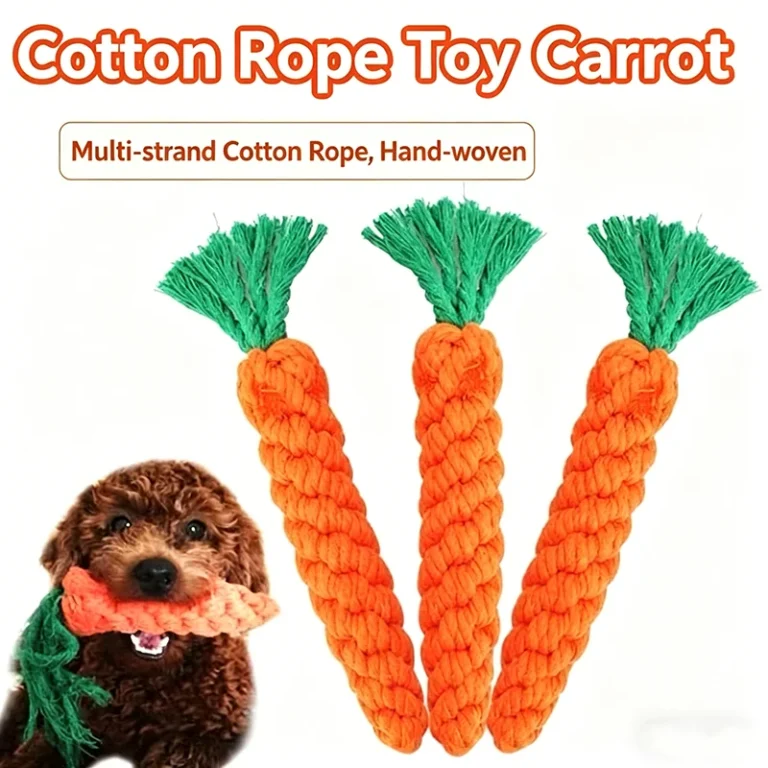
Cold is the most effective thing you can offer. A cotton rope toy soaked and frozen numbs sore gums in a way a dry toy does not. Let it thaw slightly before giving it, and take it away once it is properly wet.
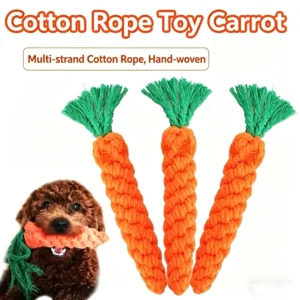
Small enough for a puppy mouth; soak and freeze it, and supervise every session.
$1.47
Check Price on AliExpressRope is also where teething goes wrong most often. Puppies swallow rather than spit, and long cotton strands can bunch in the intestine and need surgery to remove. Supervise every session, and bin the toy at the first sign of loose threads rather than the last.
If the chewing is aimed at hands, ankles and sleeves rather than furniture, that is play biting, a related but different problem: our guide to a puppy that bites everything covers it.
Adult Chewing Is Usually a Boredom Problem
A physically tired dog is not the same as a mentally tired one, and it is the second that stops destructive chewing. An hour of running returns a dog that is fitter and just as restless. Twenty minutes of working food out of something returns a dog that sleeps.
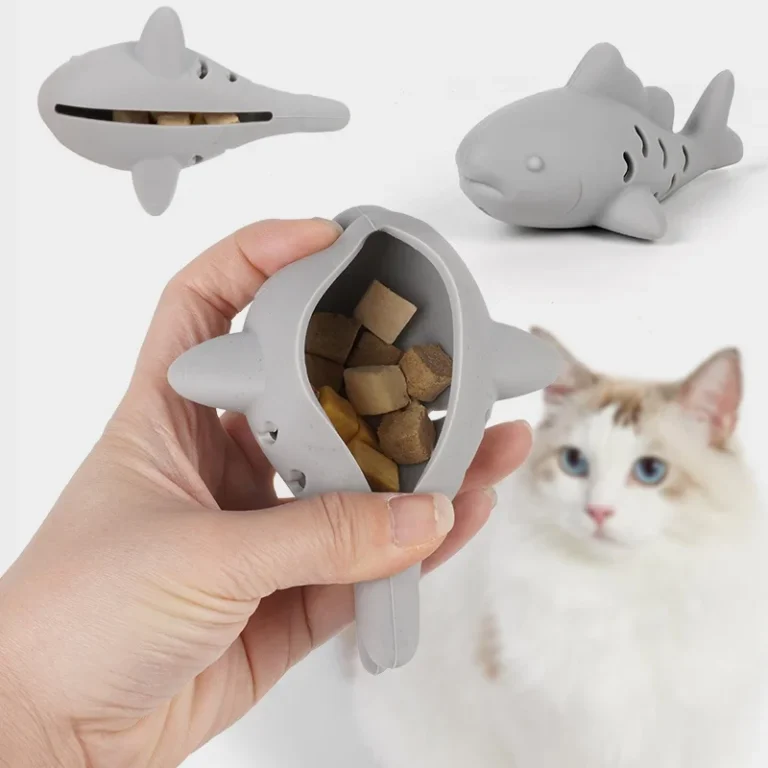
The cheapest intervention that genuinely works is to stop feeding from a bowl. Put the same daily food into a treat-holding chew or scatter it in the garden, and a thirty-second meal becomes twenty minutes of problem-solving at no extra calories.
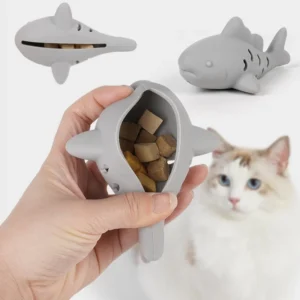
Holds part of a meal or a few treats, so chewing it is work the dog chooses.
$2.65
Check Price on AliExpressAdd sniffing to walks. A dog allowed to investigate for half its walk comes home more settled than one marched briskly for the whole of it — scent work is genuinely tiring in a way distance is not.
Matching the Toy to the Jaw
Most chew toys fail because they were bought for the wrong mouth. Be honest about which category your dog is in.
- Gentle carriers hold toys and shake them. Plush is fine; almost anything lasts.
- Moderate chewers work at a toy but do not destroy it in a sitting. Rubber, TPR and rope all work.
- Power chewers take a piece off anything softer than solid rubber within minutes. Plush and thin rubber are a waste of money and a swallowing risk.
The thumbnail test. Press your thumbnail into the toy. If it leaves no mark at all, it is hard enough to fracture a tooth — that includes antlers, hooves, nylon bones and most bones. If your nail sinks in easily, a power chewer will get through it. You want something that gives slightly and springs back.
Size up rather than down. A toy that fits fully behind the back teeth is a choking hazard, and dogs grow into toys far faster than owners expect.
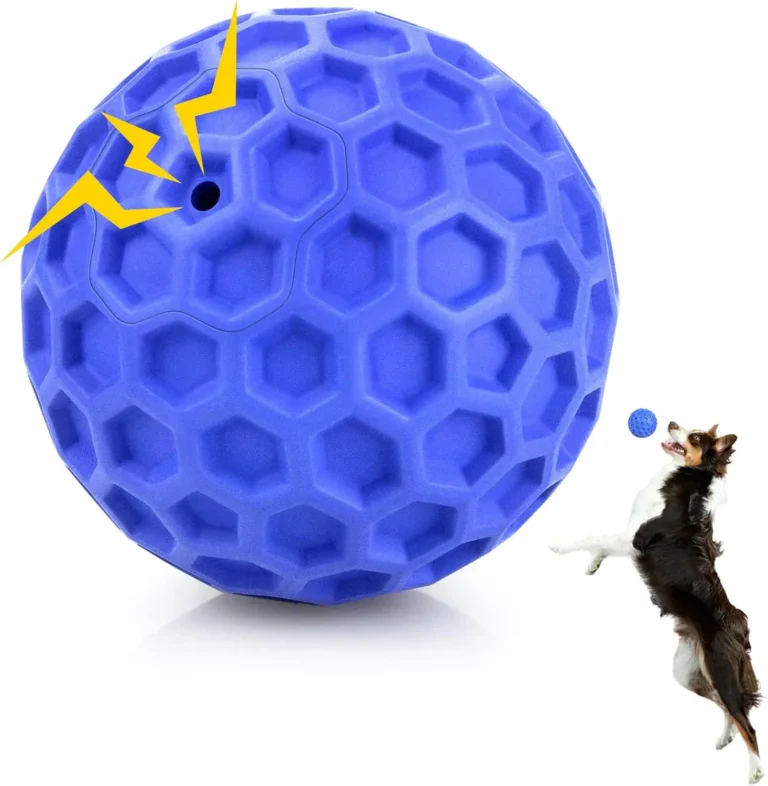
One that fits this section: KONG's Extreme line, sold for heavy chewers, with a hole for treats. Do the thumbnail test when it arrives, and choose the size for the biggest mouth in the house.
As an Amazon Associate I earn from qualifying purchases.
What to Do the Moment You Catch Them
Calmly, and with something better in your hand. Shouting or chasing turns a chair leg into a game, and a dog that learns you chase it when it has something in its mouth will run off with the next thing too.
- Interrupt quietly. Say the dog’s name or make a small sound, enough to get attention, not enough to frighten.
- Trade, don’t snatch. Offer a chew or a treat, and take the forbidden thing away while the dog is busy with the swap.
- Praise the right chewing. When you see the dog chewing its own toy unprompted, say so. That is the habit you are building.
- Keep a chew in every room the dog uses, so the right thing is always closer than the wrong one.
A Day for a Dog That Chews
Most destructive chewing happens at the same times every day: after a short morning, in the evening slump, or when the household gets busy. Plan for those times rather than reacting to them.
- Morning: a walk with time to sniff, then breakfast from a puzzle feeder or a lick mat rather than a bowl (our guide to lick mat and snuffle mat fillings has safe ideas).
- After walks: a chew. A dog that has just been out settles to chew naturally; this is the easiest time to build the habit.
- Evening: five minutes of training or a sniffing game before the restless hour, not after it.
- Rotate the toys. Four out at a time, the rest put away and swapped every few days, keeps them interesting without buying more.
Managing the House
Training a dog not to chew a specific chair leg is slow. Preventing access to it while the dog matures is instant, and there is no prize for doing it the hard way.
Shut doors. Use a crate or a pen for unsupervised periods, introduced properly so it is a resting place rather than a punishment. Pick up the shoes. A puppy that never rehearses chewing your stair spindles does not develop a taste for them, and prevention during the first year saves the furniture that would otherwise teach the habit.
Bitter sprays help with the things you cannot move, like chair legs and door frames. They only work if the dog dislikes the taste, and some dogs do not mind it at all, so test a little on a cloth first and watch the reaction. Most need reapplying every day. A spray tells the dog what not to chew; it does nothing about why, so it works alongside the chews and the routine above, not instead of them. Never spray it on the dog.
Do not punish chewing you find after the fact. A dog cannot connect your reaction to something it did an hour ago; all it learns is that you are unpredictable when you come home. If you did not see it happen, the moment has gone.
When It Is Not Chewing At All
Damage concentrated at doors, windows and exit points, happening only when the dog is alone, often with drooling, scratching or howling, is separation distress. It looks like chewing and it is not. No toy addresses it, and leaving a distressed dog with a chew simply gives them something to do while they panic.
That one needs a proper behaviour plan, usually with professional help, and it is worth getting right rather than working through by trial and error.
Our guide to a dog that cannot be left alone explains how to tell, and what actually helps.
An Older Dog That Starts Chewing
An older dog that suddenly starts chewing is a vet question first. Sore teeth are a common cause: a dog may chew to relieve a painful tooth, or chew oddly on one side. Cognitive changes in old age can also bring new habits, including chewing at night. Our guide to the older small dog covers both, and bad breath and teeth covers dental disease.
Questions Owners Ask
How long does puppy chewing last? Teething itself ends when the adult teeth are in, at six or seven months. Many young dogs keep chewing a lot until they are about a year old because they are exploring, so keep managing the house until then.
Are bones safe to give? Never cooked bones, which splinter. Most raw and hard chews fail the thumbnail test above and can crack teeth, which is why we do not recommend them for small dogs.
Why does my dog chew my things and not its toys? Your things smell of you, are often at the dog’s height, and are new. Put them out of reach, and make the dog’s own chews more interesting by rotating them and adding food.
The Short Answer
- Under seven months, it is teething. Offer frozen textures and supervise; it passes.
- An adult dog chewing is usually under-stimulated. Feed from puzzles rather than a bowl.
- Match the toy to the jaw, and use the thumbnail test — too hard cracks teeth.
- Manage access while the dog matures. It is faster than training and it works immediately.
- When you catch it, trade rather than chase, and praise chewing on the right things.
- Damage at doors when alone is distress, not chewing. That needs help, not a toy.
Chews and puzzle feeders matched to jaw strength are gathered here: toys for dogs that chew everything. If yours is still a puppy, the first six months guide covers what is worth buying and when.