
A crate can be the place a small puppy goes to sleep, or the place it screams in and shreds every bed you buy. The crate is the same in both houses. What differs is how the puppy met it, how long it is left there, and what it is asked to cope with. This guide covers choosing one, the first night, the crying, and the puppy that destroys its bedding.
What a crate is for, and what it is not
Used well, a crate is a bedroom: a small, safe den where a puppy sleeps, rests between bouts of play, and cannot chew a cable while you shower. It also helps toilet training, because most puppies avoid soiling the place they sleep. It is not a place for punishment, and it is not a way to leave a puppy alone for a whole working day. A puppy shut in for hours with nothing to do will often become exactly the stressed, destructive puppy that owners write about.
Choosing the size
The puppy should be able to stand up, turn round and lie stretched out. Much more space than that, and a young puppy may use one end as a toilet. For a small breed that will stay under about 9 kg, a 24-inch crate is usually enough for life; one with a divider panel lets you make the space smaller while the puppy is little and open it up as it grows.
On Amazon: MidWest's 24-inch single-door iCrate, sold for small breeds of about 12 to 20 lb, with a divider panel and a leak-proof tray. Check your puppy's expected adult size before ordering; a toy breed may be comfortable in a smaller crate.
As an Amazon Associate I earn from qualifying purchases.
Introducing it before you need it
- Leave the door open. Put the crate where the family is, with a soft mat inside, and drop a few treats in. Let the puppy wander in and out on its own.
- Feed meals in it. Put the bowl just inside, then further back over a few days.
- Close the door for a moment while the puppy is eating or chewing something it likes, and open it again before it notices.
- Build up slowly. A few minutes with you in the room, then a few minutes with you out of sight, then a nap. Always open the door when the puppy is calm, not in the middle of a protest.
- Make it the place for good things. A chew or a stuffed food toy that only appears in the crate gives the puppy a reason to go in.
Some puppies take to it in a day; others need a week or two. Going faster than the puppy can manage is the commonest reason a crate becomes a battle.
The first night
A puppy’s first night away from its mother and littermates is hard, and a crate in a dark kitchen at the other end of the house makes it harder. Most of the crying on night one comes from being alone, not from the crate.
- Put the crate beside your bed for the first nights, so the puppy can hear and smell you. You can move it gradually to where you want it later.
- Tire the puppy gently in the evening with play and a short sniff in the garden, then a last toilet trip just before bed.
- Plan one night-time toilet trip for a young puppy. Set an alarm and take it out before it wakes and cries; the trip is quiet and boring, straight out and straight back, with no play.
- A warm, soft mat and something that smells of its litter, if the breeder gave you one, help it settle.
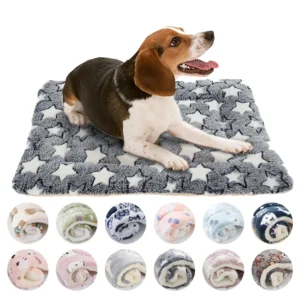
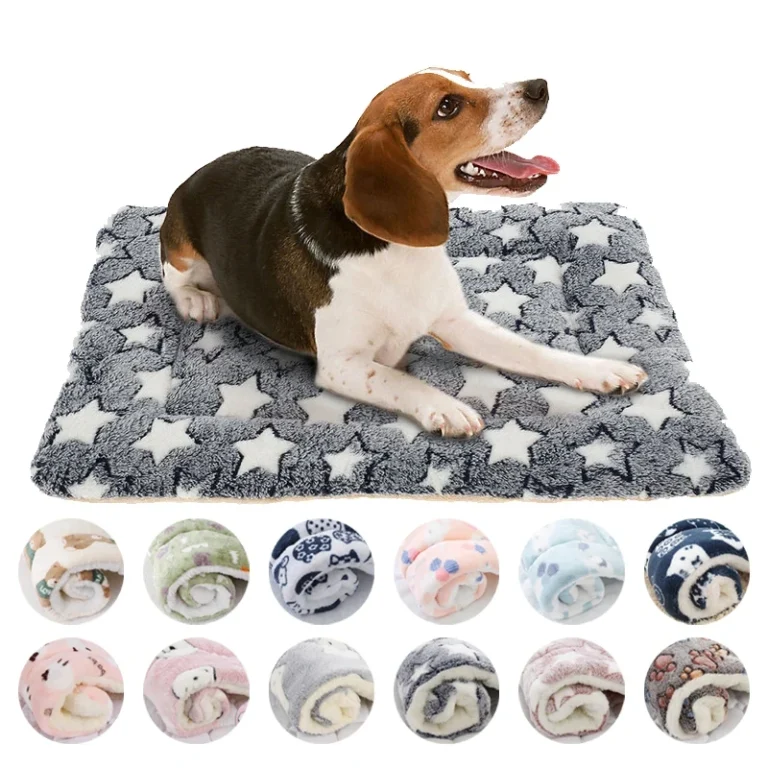
A thin flannel mat that fits a crate floor and goes in the wash, which a crate bed will need in the first weeks.
$2.75
Check Price on AliExpressWhen the puppy cries
Crying is not one thing, and the right response depends on which it is.
- It needs the toilet. A puppy that has slept for a while and wakes crying may simply need to go. Take it out calmly, then straight back.
- It is protesting. Short whining after the door closes, which fades within a few minutes, usually settles if you stay calm and quiet. Opening the door the moment it cries teaches it that crying opens doors.
- It is frightened. Panicked howling, panting, drooling or frantic scratching that builds instead of fading is not a puppy learning a lesson. Leaving it to “cry it out” can make it fear the crate. Go back a step: crate beside you, door open, shorter periods.
Being near the crate is not spoiling a puppy. A hand resting on the side, or simply lying in bed where it can hear you, often settles a young puppy in minutes.
The puppy that destroys every bed
This is one of the most common complaints, and the third bed rarely fixes it. A puppy that shreds its bedding is usually doing one of three things: teething, filling time, or coping with stress. Each needs something different.
- Teething. Puppies chew hardest between about three and six months. Give it something it is allowed to chew in the crate, so the bed is not the only thing there. Our guide to puppy biting and teething covers what helps.
- Boredom. A puppy left in the crate awake, for long stretches, will find something to do. Shorter crate times, after exercise and a toilet trip, and a food toy to work at, usually change this within days.
- Stress. If the destruction happens only when you are out, and comes with crying, drooling or a soaked bed, the problem is being left alone, not the bed. Our guide to dogs that cannot be left alone explains how to tell, and what to do.
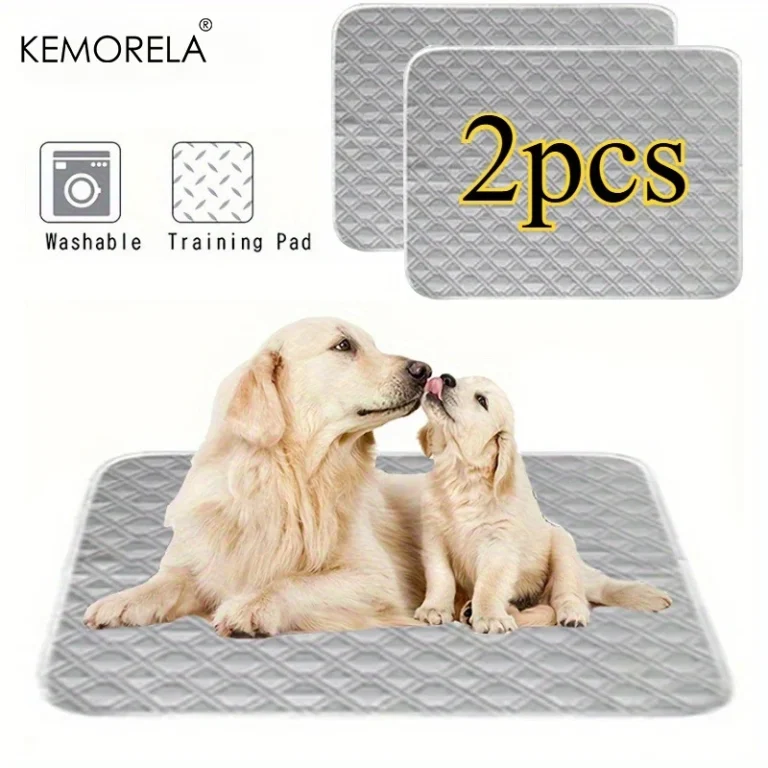
Meanwhile, swallowed stuffing and fabric can block a puppy’s gut, so remove anything it can tear apart and swallow. Use a thin, washable mat that is hard to get a grip on, or a washable absorbent pad, until the chewing stage passes. A dog that vomits, strains or stops eating after chewing up bedding needs a vet that day.
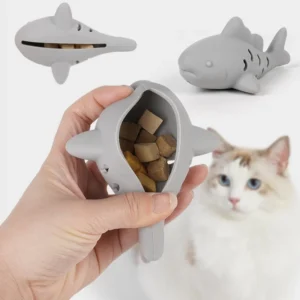
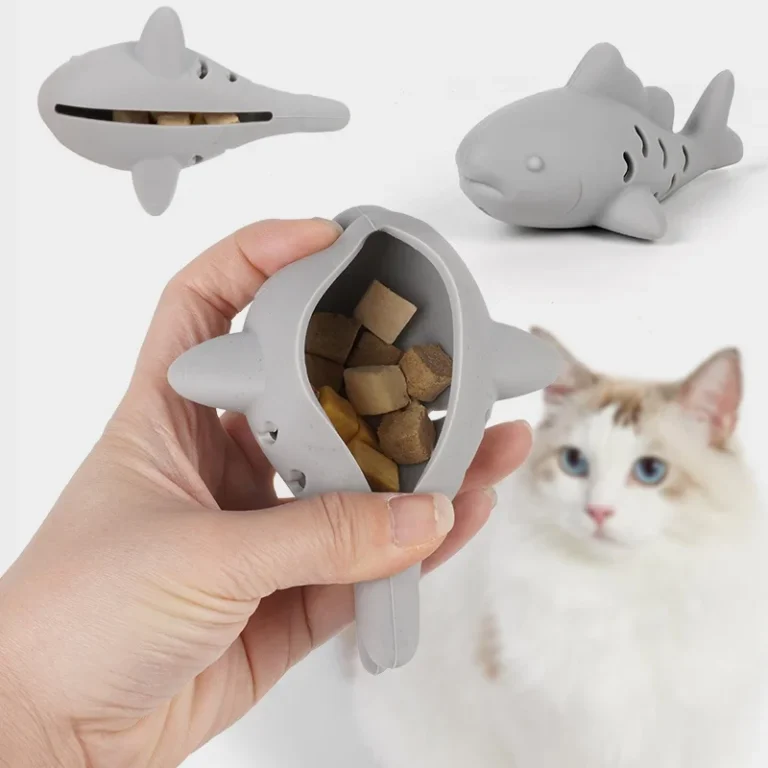
A chew toy with a pocket for treats: something the puppy is allowed to destroy slowly, instead of the bed.
$2.62
Check Price on AliExpressHow long is too long
A young puppy cannot hold on for long, and in the day it needs a toilet trip after every nap, meal and play session; our toilet training guide has the timings. Overnight, with a toilet trip, is different from the day: a puppy that sleeps in a crate at night should be out of it for most of its waking hours. If your day means a puppy would be crated for hours at a time, a puppy-proofed room or pen with a bed, water and a toilet area is kinder than a crate, and a dog walker or a neighbour at midday makes a bigger difference than any crate setup.
Signs it is not working
- The puppy refuses to go in, or has to be pushed.
- It injures its mouth or paws trying to get out, or bends the bars.
- It soils the crate repeatedly, even after a toilet trip.
- The crying is getting worse over days, not better.
Any of these means stop, go back to an open door and short visits, and ask your vet or a qualified behaviourist. Some dogs never like being shut in, and they can live perfectly happily without a crate. The point was always a calm, safe puppy, not the crate itself.